
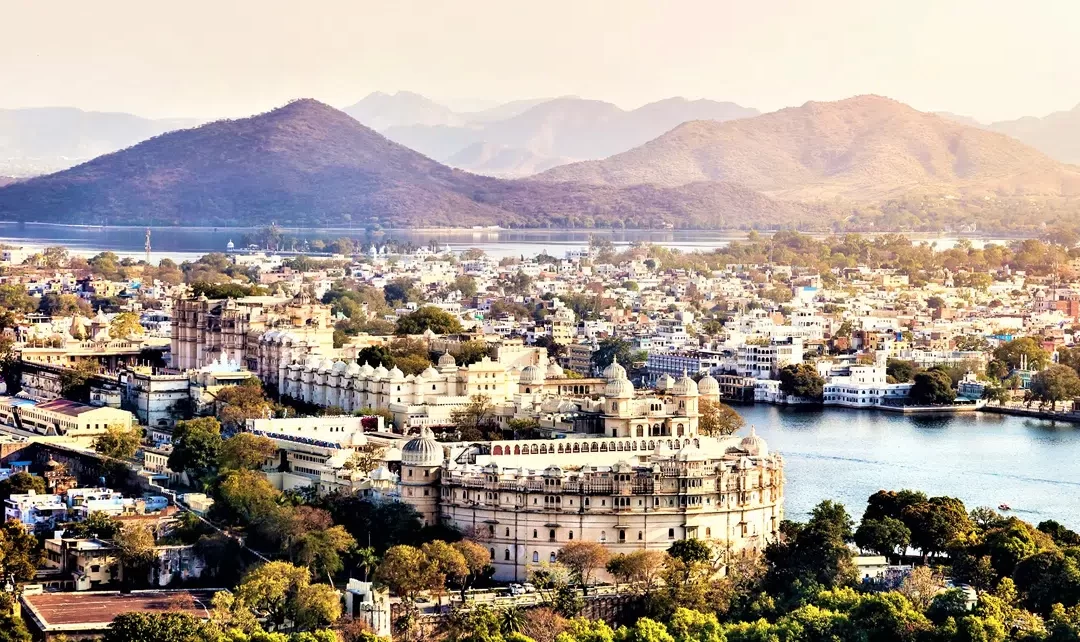
The best things to do in Rajasthan cover royal forts, desert nights, tiger safaris, lake cities and living craft traditions, and most first-time visitors see the highlights in a week-long circuit from Jaipur through Jodhpur and Jaisalmer to Udaipur. This guide groups the experiences by type, so you can pick what fits your pace instead of ticking off a list that was never meant to be done in one trip.
Key Highlights
- Start with the classic circuit: Jaipur, Jodhpur, Jaisalmer and Udaipur, with Pushkar and Ranthambore as the two most popular additions.
- Explore royal forts and palaces such as Amer Fort, Mehrangarh Fort, Jaisalmer Fort and the City Palace in Udaipur.
- Spend a night in the Thar Desert near Jaisalmer for a camel safari, folk music and a camp dinner under open skies.
- Book a tiger safari in Ranthambore National Park well in advance, since the best zones sell out early in the season.
- Visit between October and March for comfortable weather, and plan around Pushkar Fair if you travel in late autumn.
Explore the Great Forts and Palaces
Rajasthan’s forts are the backbone of any trip, and each one rewards a half day rather than a quick photo stop. Amer Fort, about 11 km from Jaipur, is the usual first stop, with its Sheesh Mahal hall of mirrors, its ramparts over Maota Lake and its elephant village below. Arrive early to beat both the heat and the crowds, and pair it with the nearby Jaigarh Fort, which holds one of the largest cannons on wheels ever built.
Mehrangarh Fort in Jodhpur rises about 125 metres above the Blue City, and its museum is one of the best in the state, with palanquins, armour and miniature paintings that explain how the Rathore rulers lived. The walk down through the blue-painted lanes of the old city is half the experience, and the stepwell at Toorji Ka Jhalra makes a good rest stop on the way. Jaisalmer Fort is different again: it is a living fort, with families, shops, guesthouses and Jain temples inside its walls, so an evening walk there feels like visiting a small town rather than a monument.
In Udaipur, the City Palace complex overlooks Lake Pichola and takes two to three hours to explore properly, with courtyards, balconies and the Crystal Gallery. If you have time for only three forts, pick Amer, Mehrangarh and Jaisalmer, since together they show the full range of Rajput architecture.
Desert Experiences in Jaisalmer
A night in the Thar Desert is the experience most Rajasthan visitors remember longest. From Jaisalmer, jeeps carry you to the Sam Sand Dunes, about 40 km from the city, where camel safaris run at sunset and desert camps serve dinner with folk dancers and Kalbeliya performers. Staying overnight in a camp, rather than returning the same evening, is worth it: the dunes empty after the day-trippers leave, and the night sky over the desert is remarkably clear.
For a quieter desert, consider the Khuri dunes, which draw fewer visitors than Sam, or a camel safari that camps in the open desert instead of a fixed camp. Ask what is included before booking, since camp prices vary widely and some packages add cultural shows, meals and transport while others charge separately. Carry a warm layer even in winter, because desert nights turn cold fast after sunset.
Wildlife Safaris: Ranthambore and Beyond
Ranthambore National Park, near Sawai Madhopur, offers one of India’s best chances of seeing a wild tiger, and its lakes, ruined fort and banyan trees make it photogenic even without a sighting. Safaris run in morning and afternoon shifts from October to June, and bookings open months ahead through the official forest department system. Zones 1 to 5 are the most sought after, but tigers move across the whole park, so a later zone booking is still worth taking.
Beyond Ranthambore, Jawai near Pali is known for leopards among granite hills, and Keoladeo National Park near Bharatpur is one of Asia’s finest birdwatching sites from November to February. Sariska, closer to Jaipur, is a practical alternative if Ranthambore is sold out.
Lakes, Boats and Slow Days in Udaipur
Udaipur works as the slow chapter of a Rajasthan trip. A boat ride on Lake Pichola at sunset, past the Lake Palace and Jag Mandir island, is the city’s signature experience, and the evening light on the water is the reason most visitors time their Udaipur stay around it. Saheliyon Ki Bari, the garden of the maids of honour, and Fateh Sagar Lake give you quieter mornings, while the Bagore Ki Haveli dance show in the evening packs Rajasthani folk dance, puppetry and music into a single hour.
Pushkar, about 15 km from Ajmer, makes a good spiritual counterpoint: one of the few Brahma temples in the world, a sacred lake ringed by ghats, and a small town that is easy to explore on foot. The Pushkar Camel Fair in late autumn turns the town into a five-day festival of camel trading, races and folk performances.
Culture, Crafts and Food
Rajasthan’s crafts are best bought where they are made. Jaipur’s Johari Bazaar is the place for gemstones and jewellery, Jodhpur’s Clock Tower market for spices and textiles, Udaipur’s Hathi Pol for miniature paintings and Jaisalmer’s Sadar Bazaar for leather goods and desert crafts. Bargaining is expected in markets, so start at roughly half the quoted price and settle with good humour rather than hard haggling.
Food is an experience in itself. Try dal baati churma, laal maas and ker sangri in Jodhpur, kachoris and lassis in Jaipur, and a thali at a heritage haveli restaurant in Udaipur. In Jaipur, the Galtaji Temple complex, with its natural springs and resident monkeys, makes a popular half-day trip from the city centre.
Chokhi Dhani near Jaipur packages folk dance, puppet shows, camel rides and a Rajasthani dinner into one ticket, which suits families with children.
Adventure Activities
Adventure in Rajasthan goes well beyond the desert. Zip-lining across Mehrangarh Fort in Jodhpur gives you the Blue City from the air, and the flying fox course at Neemrana Fort, between Delhi and Jaipur, is a popular day trip. Hot air balloon rides over Jaipur at sunrise show the Pink City and the Aravalli hills from above, though they depend on wind and are cancelled on still or stormy mornings.
Trekking options include the Aravalli trails around Mount Abu, the state’s only hill station, with its Dilwara Jain temples and Nakki Lake, and the Kumbhalgarh Fort wall walk, where the second-longest continuous wall in the world after the Great Wall of China runs through forested hills. Near Jaipur, Kanota Dam is a quieter picnic and birdwatching stop that suits a relaxed morning away from the city crowds.
How to Reach Rajasthan and Get Around
Most visitors fly into Jaipur International Airport, which connects to Delhi, Mumbai and other Indian cities, while Udaipur and Jodhpur airports serve the other ends of the circuit. Trains are the practical way to move between cities, and the Palace on Wheels luxury train covers the classic circuit in a week for travellers who want the journey itself to be the experience.
By Air
Jaipur International Airport is the main gateway, with Udaipur’s Maharana Pratap Airport and Jodhpur Airport covering the other ends of the circuit. From the airport, prepaid taxis and app-based cabs reach the city centres in under an hour.
By Train
Trains connect Delhi with Jaipur in about four to five hours, and the Jaipur to Jodhpur and Jodhpur to Jaisalmer legs run daily. Book sleeper or AC classes early in the tourist season, since the popular overnight trains fill up weeks ahead.
By Road
By road, the classic circuit runs Delhi to Jaipur to Jodhpur to Jaisalmer to Udaipur, with Agra added at the start or end for the Taj Mahal. Hiring a car with a driver for the whole circuit is the most flexible option, and it costs less per day than separate taxis once you count intercity legs.
Best Time to Visit Rajasthan
October to March is the best time to visit Rajasthan, when daytime temperatures are comfortable for forts and desert camps.
December and January bring the coldest nights, so pack a warm layer for desert stays. April to June is very hot, with desert temperatures crossing 40 degrees, and most travellers avoid the interior then. The monsoon, from July to September, turns the Aravalli hills green and thins the crowds, but desert camps close and some rural roads flood.
Travel Tips for Rajasthan
Book Ranthambore safaris and popular heritage hotels early, since both sell out in peak season. For city-by-city ideas beyond the activities above, the places to visit in Rajasthan guide covers the same circuit in more detail.
Carry cash for small markets and rural stops, dress modestly at temples and palaces, and keep a day unplanned: Rajasthan rewards the traveller who stops for an unplanned market, a village fair or a second sunset.
Frequently Asked Questions
How many days are enough for Rajasthan?
Seven to ten days are enough for a first Rajasthan trip covering Jaipur, Jodhpur, Jaisalmer and Udaipur at a comfortable pace. A week covers the classic circuit with one desert night, while ten days add Pushkar, Ranthambore or Mount Abu without rushing the fort visits.
What is the best time to visit Rajasthan?
October to March is the best time to visit Rajasthan, when the weather is comfortable for forts, desert camps and safaris. December and January are the coolest months, while April to June is very hot and best avoided for desert travel.
Is Rajasthan safe for solo and family travellers?
Rajasthan is generally safe for solo and family travellers, with a well-established tourist circuit, prepaid taxis and hotels used to hosting visitors. Use the usual precautions: book transport through hotels or official counters, avoid isolated desert roads at night and keep valuables secure in crowded markets.
What should I not miss in Rajasthan?
You should not miss Amer Fort in Jaipur, Mehrangarh Fort in Jodhpur, a desert night near Jaisalmer and a Lake Pichola boat ride in Udaipur. If you have extra days, add a Ranthambore tiger safari and the Pushkar Camel Fair in late autumn for the full range of Rajasthan experiences.
Do I need to book Ranthambore safaris in advance?
You need to book Ranthambore safaris well in advance, since permits open months ahead and the popular zones sell out early in the season. Book through the official forest department system or a reputable operator, and avoid touts at the gate who cannot guarantee a zone or a seat.
What is the best route for a Rajasthan road trip?
The best Rajasthan road trip route runs Delhi to Jaipur to Jodhpur to Jaisalmer to Udaipur, with Agra added at the start or end for the Taj Mahal. Hiring a car with a driver for the whole circuit is the most flexible option, and the Jaipur to Jodhpur leg takes roughly six hours by road.