
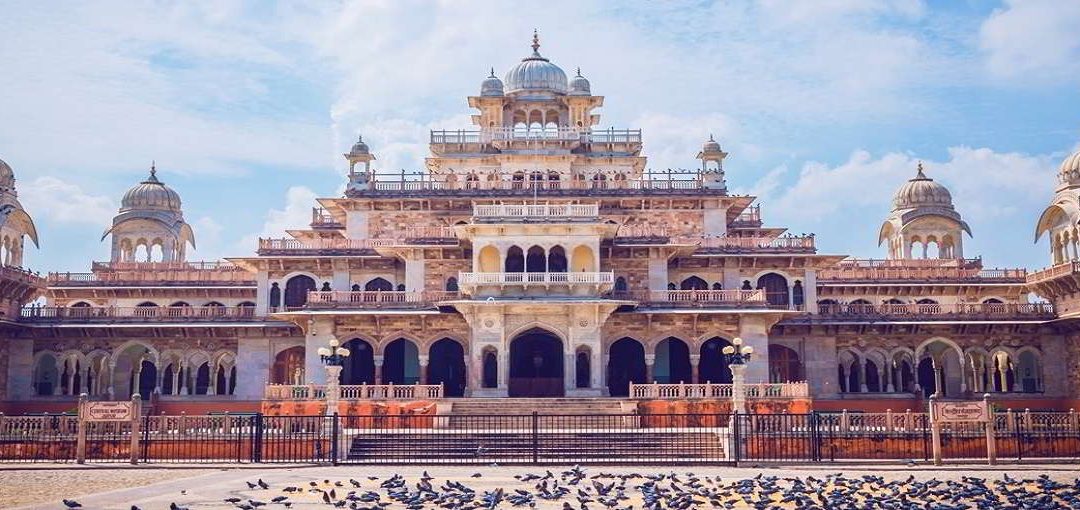
Rajasthan Tourism covers the land of kings: desert forts, lake palaces, tiger reserves, and festivals that fill the calendar from October to March. Rajasthan is India’s largest state by area, at 3,42,239 sq km, and its classic circuit runs through Jaipur, Jodhpur, Udaipur, and Jaisalmer, with Bikaner, Pushkar, Mount Abu, and Ranthambore as the usual additions. Seven to ten days cover the main cities well, and the best time to visit is October to March.
Key Highlights
- Rajasthan is India’s largest state, covering 3,42,239 sq km, with Jaipur as its capital and 33 districts.
- The best time to visit is October to March, when Pushkar Camel Fair, the Desert Festival, and the Jaipur Literature Festival take place.
- The classic circuit is Jaipur, Jodhpur, Udaipur, and Jaisalmer, with Ranthambore, Bikaner, Pushkar, and Mount Abu as additions.
- Rajasthan holds nine UNESCO World Heritage sites, including the Hill Forts, Keoladeo National Park, Jantar Mantar, and the Walled City of Jaipur.
- Seven to ten days suit a first trip; three to four days cover Jaipur and one more city at a relaxed pace.
Rajasthan at a Glance
Rajasthan means the land of kings, and the name still fits. The state was formed from the Rajput kingdoms that ruled north-west India, and their forts and palaces are the backbone of tourism here. The Aravalli range, India’s oldest mountain range, runs through the state, and the Thar Desert covers its western half. The capital is Jaipur, and Hindi and Rajasthani dialects such as Marwari and Mewari are spoken across the state, with English widely understood in tourist areas.
Rajasthan covers about 10.4 percent of India’s area, and its population was 68,548,437 in the 2011 Census. The state animal is the camel, shared with the chinkara, the state bird is the Great Indian Bustard, the state tree is the Khejri, the state flower is the Rohida, and the state dance is Ghoomar. The major airports are Jaipur, Udaipur, Jodhpur, Jaisalmer, Bikaner, and Kishangarh near Ajmer. For a full list of places, see the guide to places to visit in Rajasthan.
Best Time to Visit Rajasthan
October to March is the best time to visit Rajasthan, and it is also the main festival season. Days sit between 15 and 28 degrees, nights are cool, and the desert suits camel safaris and overnight camps. This is when the Pushkar Camel Fair runs in November, the Jaipur Literature Festival in January, and the Desert Festival in Jaisalmer in January or February. Rajasthan Tourism also identifies winter as the main season for outdoor sightseeing. Ranthambore and Keoladeo are open for safaris in this window.
Summer in Rajasthan
April to June is hot, with temperatures crossing 40 degrees in Jaisalmer and Bikaner, and the heat makes fort visits exhausting. Hotel rates drop, and Mount Abu, the state’s only hill station, stays pleasant, so summer suits travellers on a budget. Avoid desert camps in May, when Jaisalmer can cross 50 degrees.
Monsoon in Rajasthan
July to September brings scattered showers rather than heavy rain, since Rajasthan is not a heavy monsoon state. The forts look green, crowds thin out, and prices stay low. Some desert activities pause in the rains, and Ranthambore’s core zones close from mid-July to September. For a month-by-month plan, see the guide to the best time to visit Rajasthan.
Best Places to Visit in Rajasthan
The nine destinations below are the spine of any Rajasthan trip, and each city has its own character.
Jaipur, the Pink City
Jaipur, the capital, was founded in 1727 by Maharaja Sawai Jai Singh II and was one of India’s earliest planned cities. Its old walled city was painted pink in 1876 to welcome the Prince of Wales, and the colour has stayed ever since. The city was declared a UNESCO World Heritage City in 2019. Amber Fort, with its Sheesh Mahal mirror palace, is the most visited monument, and the City Palace, Hawa Mahal, Jantar Mantar, and Nahargarh Fort fill two full days. Johari Bazaar and Bapu Bazaar are the places for gemstones and blue pottery. Read the facts about Jaipur before you go.
Udaipur, the City of Lakes
Udaipur was founded in 1559 by Maharana Udai Singh II and was the historic capital of Mewar. Lake Pichola, Fateh Sagar, Udai Sagar, and Swaroop Sagar give the city its name, and it is often called the Venice of the East. The City Palace, the boat ride on Lake Pichola, Jag Mandir, Saheliyon Ki Bari, and the Sajjangarh Monsoon Palace are the main stops. Udaipur suits honeymooners and couples best, and two to three days work well.
Jodhpur, the Blue City
Jodhpur was founded in 1459 by Rao Jodha and is called the Blue City for the blue-painted houses of its old town, and the Sun City for its bright weather. Mehrangarh Fort rises about 120 metres above the city and is one of the largest forts in India, with a museum and views over the blue rooftops. Umaid Bhawan Palace, Jaswant Thada, Mandore Gardens, and the Clock Tower and Sardar Market fill the second day. Try mirchi bada, mawa kachori, and makhaniya lassi in the old city.
Jaisalmer, the Golden City
Jaisalmer stands on a ridge of yellow sandstone and is crowned by Jaisalmer Fort, built by Rawal Jaisal in 1156, which is why the city is called the Golden City. The fort is one of the few living forts in the world, with homes, shops, and guesthouses still working inside. The Sam Sand Dunes and Khuri Dunes are the base for desert camping, camel safaris, and stargazing, and Patwon Ki Haveli, Gadisar Lake, and Kuldhara village round out the visit. The Desert Festival in January or February brings folk music, camel races, and turban-tying contests to the dunes.
Bikaner
Bikaner takes its name from Rao Bika, who founded it in 1488. It was an important stop on the caravan routes between Central Asia and the ports of Gujarat. Junagarh Fort, Lalgarh Palace, and the Rampuria Havelis are the main sights, and the Karni Mata Temple at Deshnoke, famous for its thousands of rats, is a short drive away. Bikaneri bhujia carries a Geographical Indication tag, and the Bikaner Camel Festival runs in January.
Pushkar and Ajmer
Ajmer is one of the oldest cities in Rajasthan, famous for the Dargah Sharif of Khwaja Moinuddin Chishti, which draws lakhs of devotees every year, especially during the Urs. Pushkar, about 15 km away, is a holy town with a sacred lake, 52 ghats, and one of the very few Brahma temples in the world. The Pushkar Camel Fair in October or November is one of India’s best-known fairs, with livestock trading and folk performances.
Mount Abu, the only hill station
Mount Abu is Rajasthan’s only hill station, set in the Aravalli Range at about 1,220 metres. The Dilwara Temples, Jain temples built between the 11th and 13th centuries, are famous for their white-marble carvings. Nakki Lake, Guru Shikhar at 1,722 metres, Sunset Point, and Achalgarh Fort fill two days. Mount Abu is the best summer escape in the state.
Chittorgarh and Ranthambore
Chittorgarh Fort, spread over about 700 acres on a hilltop, is one of the largest fort complexes in India and part of the UNESCO-listed Hill Forts of Rajasthan. It is tied to the stories of Rani Padmini, Meera Bai, and Maharana Kumbha, and its Vijay Stambha and Kirti Stambha are the landmarks. Ranthambore National Park near Sawai Madhopur is the state’s best tiger reserve, with safaris from October to June. Book the early-morning slot, around 6 am, when tigers move before the heat.
How to Reach Rajasthan
Rajasthan is well connected by air, rail, and road, and most trips start in Jaipur or Delhi. The classic circuit is easy to drive in a hired car.
By air
Fly into Jaipur, Udaipur, Jodhpur, Jaisalmer, Bikaner, or Kishangarh near Ajmer. Jaipur has the most connections. Delhi’s airport is the usual gateway from abroad, with Jaipur about 280 km away.
By train
Jaipur, Jodhpur, Udaipur, Jaisalmer, Bikaner, and Ajmer all have railway stations with trains from Delhi, Mumbai, and Agra. The Palace on Wheels and the Royal Rajasthan on Wheels are luxury trains that cover the classic circuit. For road routes, entry points, and driving distances, see the guide on how to reach Rajasthan.
By road
National highways link Delhi to Jaipur, and Jaipur to Jodhpur, Udaipur, and Bikaner. A hired car with a driver is the most practical way to cover the circuit, since it lets you stop at forts and villages between cities. State buses run between the main cities.
Food, Festivals, and Culture
Rajasthani food is built for the desert: rich, spicy, and made to keep. Dal Baati Churma is the signature dish, Laal Maas is the famous mutton curry, and Ker Sangri, Gatte ki Sabzi, Pyaaz Kachori, and Ghevar are the dishes to try. Jaipur’s Johari Bazaar and Jodhpur’s Sardar Market are the best places for street food and shopping.
The festival calendar is one of the reasons to visit in winter. The Pushkar Camel Fair runs in October or November, the Jaipur Literature Festival in January, the Desert Festival in Jaisalmer in January or February, and the Bikaner Camel Festival in January. Holi in March is celebrated across the state, and Diwali in October or November lights up the old cities. Ghoomar, the state dance, is part of most festivals and hotel evenings. For activities in each city, see things to do in Rajasthan.
Suggested Rajasthan Itineraries
The classic Rajasthan Tourism circuit takes seven to ten days: two days each in Jaipur, Jodhpur, and Udaipur, and a day in Pushkar or a day trip to Ranthambore. Add Jaisalmer for two days and a night in the Sam dunes for the ten-day version, with a stop at Bikaner on the way back.
Add a half-day trip to the Galtaji Temple east of Jaipur. Four days suit a long weekend in Jaipur plus Jodhpur or Udaipur. Book monument tickets and safari slots ahead in peak season.
Travel Tips for Rajasthan
Check current monument timings before you travel: most attractions used to stay open till 6 or 6:30 pm, but many now close around 5:30 pm. Carry a jacket for desert nights in winter, when temperatures in Jaisalmer can drop to 2 to 8 degrees. Book Ranthambore safaris weeks ahead in peak season, and pick the early-morning slot. Hire a car with a driver for the circuit, and keep cash for small shops. Respect temple customs, dress modestly, and ask before photographing people. Drink bottled water and keep sunscreen and a hat with you, since the desert sun is strong even in winter.
Frequently Asked Questions
What is the best time to visit Rajasthan?
October to March is the best time to visit Rajasthan, when the weather is pleasant for forts, markets, and desert sightseeing. Days sit between 15 and 28 degrees, and events like the Pushkar Camel Fair and the Desert Festival take place in this window. Avoid April to June, when the heat crosses 40 degrees in Jaisalmer and Bikaner.
How many days do I need for Rajasthan?
Seven to ten days cover the classic circuit of Jaipur, Jodhpur, Udaipur, and Jaisalmer at a comfortable pace. Four to five days suit a shorter trip covering Jaipur and one more city. Two weeks allow you to add Bikaner, Pushkar, Mount Abu, and Ranthambore without rushing.
Which cities should I visit on my first Rajasthan trip?
Start with Jaipur, Jodhpur, Udaipur, and Jaisalmer, the four cities that define the classic circuit. Jaipur suits first-time visitors best, Udaipur suits couples, Jodhpur suits heritage lovers, and Jaisalmer suits desert experiences. Add Ranthambore for wildlife and Pushkar for a pilgrim town.
What are the UNESCO World Heritage Sites in Rajasthan?
Rajasthan holds nine UNESCO World Heritage sites: the Hill Forts of Rajasthan, which cover Amber, Chittorgarh, Kumbhalgarh, Jaisalmer, Ranthambore, and Gagron, plus Keoladeo National Park, Jantar Mantar in Jaipur, and the Walled City of Jaipur. Together they cover the state’s forts, astronomy, wildlife, and urban heritage.
Is Rajasthan safe for first-time travellers?
Yes. Rajasthan is one of India’s most visited states, and its tourist cities are used to first-time travellers. Stick to well-known areas at night, use registered taxis and guides, and confirm safari and monument timings before you travel. Women travelling alone should use the same care as in any Indian city.
What should I eat in Rajasthan?
Try Dal Baati Churma, the signature dish of the state, Laal Maas for mutton lovers, Ker Sangri and Gatte ki Sabzi for vegetarian meals, and Pyaaz Kachori and Ghevar as snacks and sweets. Jodhpur is known for mirchi bada and makhaniya lassi, Jaipur for ghevar and lassi, and Bikaner for bhujia. Eat at busy local restaurants.
Rajasthan rewards travellers who slow down: one fort a day, one long evening in the old city, and one night under desert stars. Start with Jaipur, Jodhpur, and Udaipur, and plan the trip for October to March.