
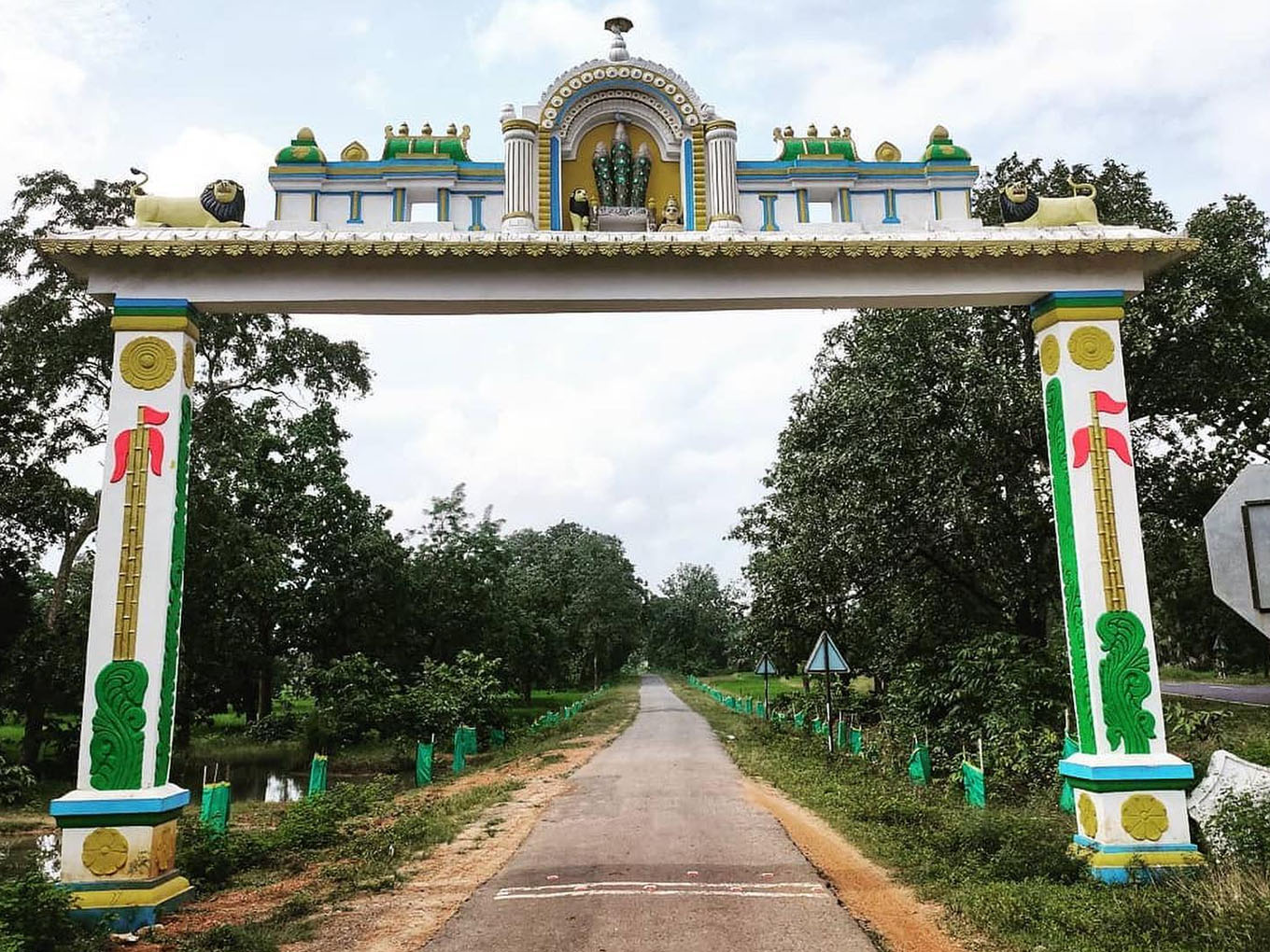
Mauli Maa Temple, also recorded locally as Maa Maulimaa, is an old folk-goddess shrine near Dudhari village in the Semiliguda block of Koraput district, Odisha. Set among the hills of southern Odisha, it is about 12 km from Semiliguda and roughly 25–30 km from Koraput town. Regional tourism records describe it as a very old temple, said to have been raised by a King of Jeypore, and it remains a quiet, tribal-heartland shrine rather than a grand pilgrimage complex.
Key Highlights
- Deity: Mauli Maa (Maa Maulimaa), a folk form of the mother goddess worshipped across the Koraput tribal belt.
- Location: Near Dudhari village, Semiliguda block — about 12 km from Semiliguda, roughly 25–30 km from Koraput town.
- Best time: October to March; Chaitra (March–April) is the festive high point.
- Darshan: No officially published timings — plan a daytime visit, confirm locally.
- Top tip: Pair with Duduma waterfalls and the Tribal Museum at Koraput for a full day of faith, nature, and tribal culture.
About the Temple & Deity
In Koraput’s tribal countryside, the goddess is a Grama Devata — a village deity — and Mauli Maa belongs to this living tradition. Devotees speak of her as a mother goddess, a protective presence; local belief treats her as a form of Durga watching over the hills.
Regional tourism records list “Maa Maulimaa” at Dudhari village: a very old temple, raised by a King of Jeypore. Broken images and old idols lie about the site — weathering that tells you worship here predates any renovation drive. Near the temple rises Chanakata hill; at its foothill runs the Kerandi river.
Written history here is thin — no surviving inscription dates the shrine precisely; origin stories travel by word of mouth. The temple belongs to oral tradition, kept alive by surrounding villages’ faith.
Location & Distances
- From Koraput town: roughly 25–30 km (via Semiliguda)
- From Jeypore: roughly 50 km total
- From Visakhapatnam: around 200 km
- From Bhubaneswar: roughly 500 km, overnight journey
Koraput town (near 2,900 ft altitude) is the natural base. Jeypore, 22 km away, has more hotels.
How to Reach
By Air
Visakhapatnam (~200 km) with flights from Delhi, Mumbai, Bengaluru, Chennai, Hyderabad. Taxi/bus to Koraput through the Eastern Ghats.
By Train
Koraput station on the scenic Kirandul–Visakhapatnam line. Book via IRCTC. From station, auto/taxi to Semiliguda and Dudhari.
By Road
Via Koraput–Sunabeda road to Semiliguda (15 km), then Dudhari (12 km further). OSRTC/private buses connect Koraput, Jeypore, Sunabeda.
Best Time to Visit
October to March — monsoon-washed hills, cool air, sound roads. Chaitra (March–April) brings festive energy. Monsoon (June–September) is dramatic but last-mile roads get slippery.
Darshan Timings, Entry & Facilities
No official timings published. Folk temples generally receive visitors in daylight hours, mornings liveliest — confirm locally. No known entry fee. Facilities modest: carry water, slip-off footwear. Avoid photography in sanctum unless permitted.
Festivals & Rituals
Chaitra month (March–April) is the big season — Chaitra Parab festivities draw devotees to the region’s shrines. Dasahara’s 16-day Jeypore celebrations spill across the region. Day-to-day worship is simple: flowers, vermilion, incense.
Nearby Attractions
- Duduma waterfalls: Machkund river, ~540 ft drop — one of Odisha’s great falls.
- Gupteswar cave temple: hidden Shiva shrine, 176 steps through sal forest.
- Kolab reservoir: backwater picnic-and-sunset stop ~40 km from town.
- Sabar Srikhetra + Tribal Museum, Koraput: 19th-century Jagannath temple and the best crash course in tribal cultures.
- Deomali: Odisha’s highest peak (~5,800 ft).
More waterfalls: Brahman Kund near Bangriposi, Khambeswari near Kantamunda.
Where to Stay
Koraput town or Jeypore. Koraput: OTDC Panthanivas, private hotels (₹1,200–₹3,000/night). Jeypore (22 km) has the best selection. Book ahead October–March. Carry cash beyond towns.
Travel Tips
- Respect the tribal setting — ask before photographing people.
- Modest clothing, removable footwear.
- Go with a local driver — signage patchy, networks drop in hills.
- Mind the monsoon — travel in daylight, check conditions morning-of.
- Pair with the Tribal Museum for context.
A Note on the Name: Two Shrines, One Goddess
A second Mauli Maa Temple at Manyamkonda in Malkangiri honours the same goddess — distinct place, neighbouring district. This guide covers the Koraput (Dudhari–Semiliguda) shrine. Coastward after the hills: Swargadwar Sea Beach, Puri. In Rayagada: Nilakantheswar Temple, Padmapur.
Frequently Asked Questions
Who is Mauli Maa?
A folk mother goddess of Koraput, worshipped as a protective Devi and village deity (Grama Devata) by tribal and non-tribal communities.
Where exactly is the temple?
Near Dudhari village, Semiliguda block, Koraput — ~12 km from Semiliguda, ~25–30 km from Koraput town. Very old temple, said raised by a King of Jeypore.
How do I reach from Koraput or Visakhapatnam?
From Koraput: via Semiliguda to Dudhari, under an hour. From Visakhapatnam (~200 km): train to Koraput (IRCTC) or drive, then road.
What is the best time to visit?
October to March. Chaitra (March–April) is festive high point. Avoid peak monsoon for rural roads.
What are the darshan timings? Entry fee?
No official timings published — daylight hours, mornings liveliest; confirm locally. No known entry fee.
What else to visit nearby?
Duduma waterfalls, Gupteswar cave temple, Kolab reservoir, Sabar Srikhetra + Tribal Museum, Deomali peak. Manyamkonda shrine (Malkangiri) is a different temple, same goddess.
Weather Mauli Maa Temple: A Sacred Pilgrimage Site in Koraput
[location-weather id="5549"]