
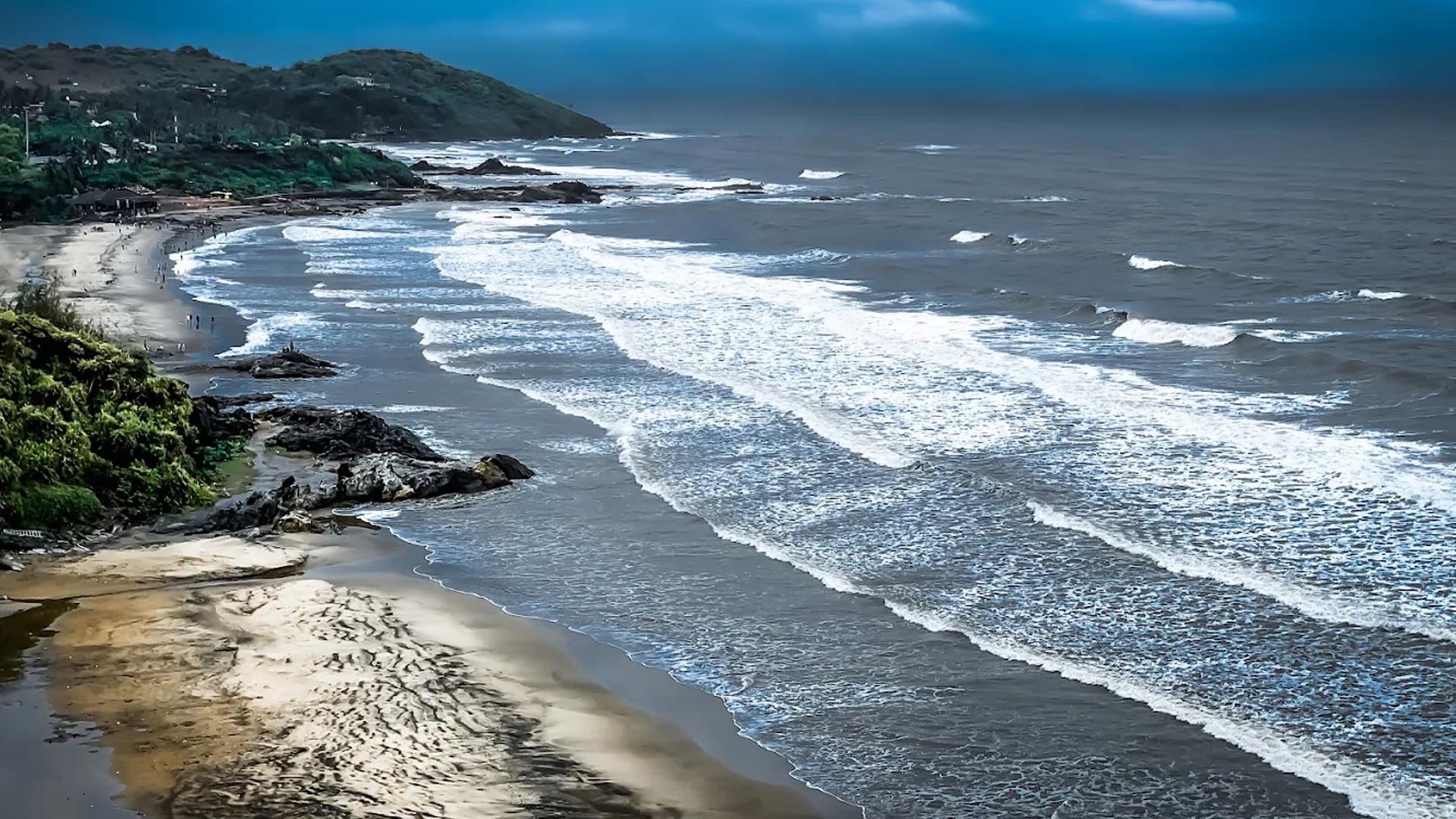
Chapora Fort Goa is a ruined hilltop fort above Vagator Beach in North Goa, famous as the sunset spot from the film Dil Chahta Hai, with free entry and wide views over the Chapora River and the Arabian Sea. A short steep walk from the parking area at the base takes you to the ramparts, where the walls have stood open to the sky for well over a century.
Key Highlights
- Chapora Fort stands on a hill above the Chapora River near Vagator Beach in Bardez, North Goa, about 22 km from Panaji.
- Entry is free, and the fort is generally open from 9:30 am to 5:30 pm daily, though the site is unmanned and best visited in daylight.
- The fort was first built by the Bijapur Sultanate and rebuilt by the Portuguese in the early 17th century, then abandoned in the late 19th century.
- The climb from the parking area takes 10 to 15 minutes up a steep path, so wear proper shoes and carry water.
- Sunset is the most popular time to visit, when the ramparts fill with visitors watching the sun drop over the Arabian Sea.
History of Chapora Fort
The story of Chapora Fort starts long before the Portuguese arrived in Goa. The first fort on this hill was built by Adil Shah, the ruler of the Bijapur Sultanate, in the early 16th century. He named it Shahpura, after the nearby village, and used it to guard the mouth of the Chapora River, which marked the northern edge of his territory. Control of the river mouth meant control of who sailed into the inland settlements, so the hill was a prize worth fighting over.
The Portuguese took the site and rebuilt the fort in the early 17th century, using red laterite stone for bastions, ramparts and gateways. The new fort guarded their northern frontier against the Marathas, and it changed hands more than once in the fighting that followed. Maratha forces under Sambhaji captured it in the late 17th century, and the Portuguese later retook it and held it until the fort was finally abandoned in the late 19th century. What remains today is a ruin: long stretches of wall, a few bastions and gateways, and open ground where barracks and chapels once stood.
Modern fame came from the film Dil Chahta Hai, which shot a well-known sequence on the ramparts. The fort is now often called the Dil Chahta Hai fort, and film fans make the climb specifically to stand where the scene was filmed. The Archaeological Survey of India lists the fort as a protected monument, though visitors should note that the site has few facilities and no guides on duty.
What to See at Chapora Fort
The main reason to climb is the view. From the ramparts you look south over Vagator Beach and the Arabian Sea, north across the Chapora River toward Morjim, and inland over green fields and palm groves. On a clear evening the light turns the laterite walls a deep red, which is why photographers arrive well before sunset to claim a spot on the western wall.
Inside the walls, walk the full circuit of the ramparts and look for the old gateways and the remains of the bastions at each corner. There is little shade, so the middle of the day is the worst time to explore. The ruins themselves are not fenced off, so watch your step near wall edges and keep children away from drops.
Combine the fort with Vagator Beach below it. The beach is a short walk from the fort parking area, and the small Vagator headland gives a second viewpoint back up at the fort. Ozran Beach, the quieter northern stretch of Vagator, is where many visitors end the day after the fort.
How to Reach Chapora Fort
Chapora Fort is easy to reach from anywhere in North Goa, and the last stretch is on foot. Drive or ride to Vagator, follow the signboards to the fort, and park at the base of the hill. From there a single path climbs to the top. The walk takes 10 to 15 minutes and is steep in places, with uneven stone underfoot, so it is not suitable for wheelchairs or for anyone who struggles with stairs.
By Air
The nearest airport is Manohar International Airport at Mopa, about 30 km away, while Dabolim Airport is roughly 43 km away. From either airport, take a taxi to Vagator, which takes around an hour from Dabolim and about 45 minutes from Mopa depending on traffic.
By Train
The nearest railway station is Thivim, about 18 km away on the Konkan Railway line. From Thivim, hire a taxi or auto-rickshaw to Vagator, a ride of roughly 30 minutes. Pernem station is another option for trains from Mumbai, though it is slightly farther.
By Road
By road, Chapora Fort is about 10 km from Mapusa, 22 km from Panaji and 10 km from Calangute. Local buses run from Mapusa to Vagator and Chapora village, and the fort is a short walk from the Vagator bus stop. Most visitors rent a scooter in Calangute, Candolim or Mapusa, since parking a car at the base is limited and fills up by late afternoon.
Entry Fee and Timings
Entry to Chapora Fort is free for all visitors, with no charge for photography either. The commonly listed timings are 9:30 am to 5:30 pm daily, though some guides describe the site as open around the clock. In practice the fort has no gates that lock and no staff checking tickets, but you should still visit in daylight: the path is unlit, the walls are unfenced and the climb back down in the dark is risky. Parking near the base is free but limited, and on weekends the small lot fills early.
Best Time to Visit Chapora Fort
November to February is the best time to visit Chapora Fort, when the weather is cooler and the skies are clear for sunset views. Early morning, between 6 am and 8 am, gives you soft light and far fewer people, while late afternoon from 4 pm onward is the classic sunset slot. Avoid the middle of the day in summer, when the exposed hilltop offers no shade and the climb is exhausting. The monsoon turns the hill green and dramatic, but the path gets slippery and the sea view disappears behind rain clouds.
Nearby Places to Visit
Vagator Beach is the obvious next stop, directly below the fort, with its black rock outcrops and sunset-facing shacks. Anjuna Beach, about 6 km south, adds the famous Wednesday flea market and a livelier evening scene. Fort Aguada, roughly 15 km south near Candolim, pairs well with Chapora for a full day of Goan forts, since it is far better preserved and has a lighthouse you can climb. Dona Paula, further south near Panaji, is the classic viewpoint over the meeting of the Mandovi and Zuari rivers, and Bambolim Beach nearby is a calmer stretch of sand for a quiet evening walk.
Travel Tips for Chapora Fort
Carry water, since there are no shops inside the fort, and wear shoes with grip for the steep path. Arrive at least an hour before sunset if you want a good spot on the western rampart, because the crowd builds fast. Do not leave valuables in a parked scooter, and keep an eye on bags at the crowded sunset hour. If you are travelling with elderly family members, plan the visit for early morning and take the climb slowly, with rests on the way up.
Frequently Asked Questions
Where is Chapora Fort located?
Chapora Fort is located on a hill above the Chapora River near Vagator Beach in Bardez, North Goa, about 22 km from Panaji and 10 km from Mapusa. The fort parking area sits at the base of the hill, and a short steep path leads to the ruins at the top.
Is there an entry fee for Chapora Fort?
There is no entry fee for Chapora Fort, and photography is also free. The site is a protected ruin with no ticket counter, so you can walk in and explore the ramparts and bastions without paying anything. Parking near the base is free too, though the small lot fills up early on weekends.
What are the timings of Chapora Fort?
Chapora Fort is generally listed as open from 9:30 am to 5:30 pm daily, though the site has no locking gates. Visit during daylight hours for safety, since the path is unlit and the walls are unfenced, and plan to be back down before dark.
Why is Chapora Fort famous?
Chapora Fort is famous because a well-known sequence from the Bollywood film Dil Chahta Hai was shot on its ramparts, which made it a pilgrimage spot for film fans. Its history as a Bijapur and Portuguese frontier fort, plus its sunset views over Vagator Beach, add to its appeal.
How long does it take to climb to Chapora Fort?
The climb from the parking area at the base of the hill to Chapora Fort takes about 10 to 15 minutes. The path is short but steep with uneven stone, so wear proper shoes, carry water and allow extra time in the heat or if you are climbing with children.
What is the best time to visit Chapora Fort?
November to February is the best time to visit Chapora Fort, with cooler weather and clear skies for sunset views. Early morning and late afternoon are the most comfortable hours, while midday in summer is hot and exposed, with no shade on the hilltop.
Weather Chapora Fort
[location-weather id="5549"]