
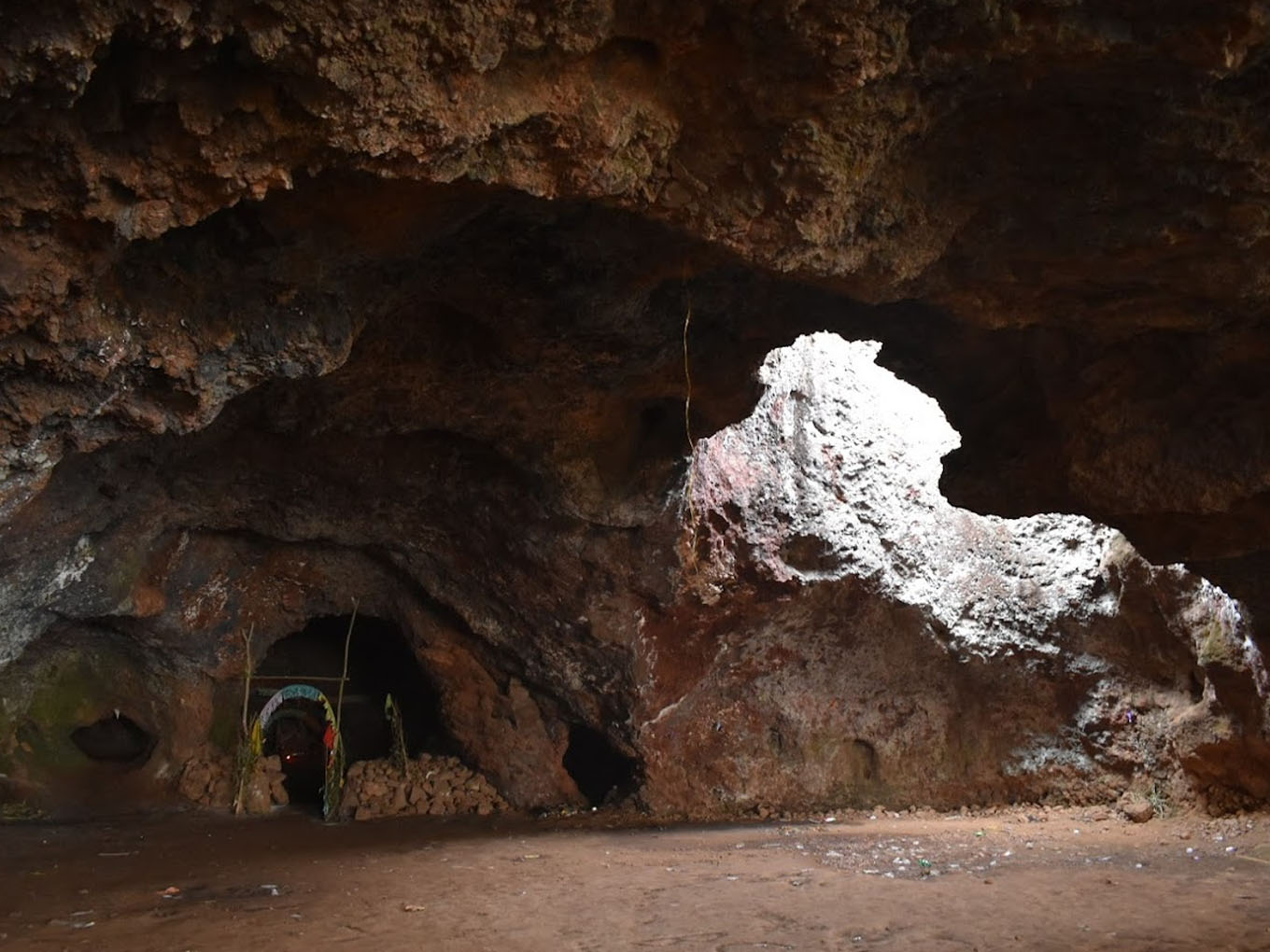
Hidden in the highlands of Odisha, Balda Cave Koraput is one of the state’s most unusual day trips — an ancient cave shrine, a still pond and a vast flat-topped plateau with 360-degree valley views, all in one climb. About 66 km from Koraput town, this tableland is sacred to local tribal communities, draws thousands of devotees during the annual Chaitra festival, and rewards trekkers with sunrise views over the Jalaput Reservoir. Here is everything you need to plan a visit: the trek, the deity, how to reach, and the best time to go.
Key Highlights
- Balda Cave sits on a flat plateau about 66 km from Koraput town — the district tourism department notes the top is so flat that five football matches could be played on it at once.
- Donger Dei is the presiding deity of the cave, worshipped mainly during the annual Chaitra Mela (March–April), when devotees trek up with flowers, lamps and coconuts to the beat of changu drums.
- The final trek is about 2 km and takes 40–50 minutes at a moderate pace; there are no shops, stalls or restrooms on the summit, so carry at least 2 litres of water.
- There is no official entry ticket — visiting Balda Cave is free; the best season is October to February, and the best time of day is sunrise.
- Nearest railway station is Koraput Junction (about 66 km); the nearest airports are Jeypore (about 45 km, regional flights) and Visakhapatnam (about 200 km).
About Balda Cave: The Plateau, the Cave and the Pond
Balda is not a single cave but a small world of its own. The approach climbs through farmland and forest to a broad, flat tableland — one of the largest natural flat-topped ridges in the region. At its heart lies the cave, a rock shelter with delicate calcite formations shaped by water over thousands of years, dark at the back, so carry a torch. Beside it rests a calm pond fringed with greenery, a favourite spot for photography and quiet sitting. From the plateau’s edge, the view opens over the valleys and the shimmering Jalaput Reservoir, an artificial lake on the Machkund River that forms the Odisha–Andhra Pradesh boundary. On a clear morning the reservoir looks close enough to touch.
The Spiritual Side: Donger Dei and the Chaitra Mela
For the Paraja, Kondh and other tribal communities of the region, Balda is sacred ground. Donger Dei, the mountain goddess, is the main deity of the cave, believed to guard the surrounding farmlands. The cave is also listed as the Maa Nageswari Cave of Balda. Every year in the Odia month of Chaitra (March–April), the Balda Cave Fair / Chaitra Mela draws devotees who trek up the hill offering flowers, earthen lamps and coconuts at the stone altar, accompanied by traditional changu drum music and Dhemsa folk dance. Footwear is removed before the altar. If you visit during the mela, expect crowds, colour and music — and plan your logistics early, because everything near the hill fills up.
Things to Do at Balda Cave
- Trek to the summit: the 2 km climb from Balda village takes 40–50 minutes and is rated easy to moderate — a good first trek.
- Sunrise over Jalaput: begin the ascent before 6 am; the 5:30–8:00 am window gives the best light and the clearest reservoir views.
- Photography and birdwatching: eagles and kingfishers are commonly spotted; the pond and plateau edges make strong compositions.
- Picnic by the pond: carry your own food — there are no eateries on the hill.
- Village culture: the tribal hamlets around Balda are known for handicrafts and simple local food; ask before photographing people.
- Meditation and quiet time: weekday mornings are practically empty.
How to Reach Balda Cave
By Air
The nearest airport with regular flights is Visakhapatnam, about 195–200 km away. Jeypore Airport, about 45 km from Balda, handles regional flights to Bhubaneswar and Visakhapatnam and is the closest option if schedules suit you.
By Train
Koraput Junction is the nearest major railway station, about 66 km from the cave, with connections to Visakhapatnam, Bhubaneswar and beyond. Jeypore station (about 45 km) is another option. From either station, hire a taxi for the onward journey.
By Road
Balda lies about 66 km from Koraput town (the official district tourism figure), roughly a 2-hour drive via NH26 towards Semiliguda, then district roads via Nandapur to Balda village. From Jeypore it is about 45 km via highland routes. The trail to the cave begins near the primary school at Balda village; the final stretch is a walk, not a drive. A round-trip taxi from Koraput typically costs around ₹1,500 — confirm the fare before starting.
Best Time to Visit Balda Cave
October to February is the consensus best season: daytime temperatures hover around 18–25°C, the air is clear, and reservoir views are at their sharpest. Mid-winter nights can dip below 8°C, so layer up for an early start. The monsoon months (July–September) make the trail slippery and cloud the views — avoid them. March–April coincides with the Chaitra Mela, which is culturally rich but crowded.
Entry Fee and Timings
There is no official entry ticket for Balda Cave — all major sources agree it is free to visit, though small maintenance charges may appear during festival time. The site is essentially open through the day, but plan your visit in daylight hours (roughly 9 am to 5 pm); the cave interior is dark and the trail should not be attempted after dark.
Nearby Places to Visit
Balda pairs well with other Koraput attractions. The Tribal Museum at Pujariput (about 64 km) is the best introduction to the region’s tribal heritage — see our Tribal Museum Koraput guide. Putsil, the mountain viewpoint near Koraput, offers another superb panorama — read our Putsil mountain point guide. The Sunabeda HAL Museum adds an aviation twist to a Koraput itinerary (HAL Museum guide), and wildlife lovers can extend to the Debrigarh Wildlife Sanctuary. Other possible stops: Duduma Waterfall (about 48 km), Deomali hill (about 65 km), Kolab Reservoir (about 27 km) and Gupteswar Cave (about 95 km).
Travel Tips for Balda Cave
- Carry water and snacks: at least 2 litres of drinking water per person — there is nothing to buy on the summit.
- Wear the right shoes: non-slip trekking shoes or sturdy sports shoes; the rocky sections get slippery.
- Go in a group and carry a torch or phone light for the cave’s dark interior.
- Hire a local guide (around ₹500) — they know the safe paths and the local customs.
- Leave no trace: no loud music, carry all waste back down, and respect tribal customs at the shrine.
- Day trip it: there is no accommodation at Balda; stay in Koraput or Jeypore (OTDC Panthanivas and budget hotels are available) and drive up for the day.
- Carry cash — the nearest ATMs and clinics are back in Koraput town.
Frequently Asked Questions
What is the best time to visit Balda Cave and Hill Station?
October to February is the best time, with daytime temperatures of 18–25°C and the clearest views over the Jalaput Reservoir. Avoid the monsoon (July–September) when trails turn slippery. March–April brings the colourful Chaitra Mela but also crowds.
Is there any entry fee or ticket to visit Balda Cave?
No. There is no official entry ticket for Balda Cave — visiting is free. Small maintenance or guide charges may apply during the festival season, and hiring a local guide (around ₹500) is recommended but optional.
What is the spiritual significance of Balda Cave?
Donger Dei, the mountain goddess, is the presiding deity of the cave, worshipped by Paraja, Kondh and other tribal communities. The cave is also known as the Maa Nageswari Cave of Balda. Every year in Chaitra (March–April), devotees trek up for the annual fair with flowers, lamps and coconuts, accompanied by changu drums and Dhemsa folk dance.
How long is the trek to Balda Cave, and how difficult is it?
The trek from Balda village to the cave and plateau is about 2 km and takes 40–50 minutes at a moderate pace. It is rated easy to moderate — manageable for reasonably fit walkers, with roughly a 300-metre climb. Start before 6 am if you want sunrise over the Jalaput Reservoir.
Are there restaurants, shops or restrooms near the cave?
No. There are no commercial stalls, eateries or restrooms on the hill. Carry your own drinking water (at least 2 litres), snacks and sun protection, and have your meals in Koraput, Jeypore, Semiliguda or Nandapur before or after the visit.
Is Balda Cave safe for tourists, and can I camp there?
Balda is safe for daytime visits in groups with a local guide. The trail and cave should not be attempted after dark. Overnight camping is not an established facility — camp only with explicit permission from local villagers, and most visitors do it as a day trip from Koraput or Jeypore.
Weather Balda Cave
[location-weather id="5549"]