
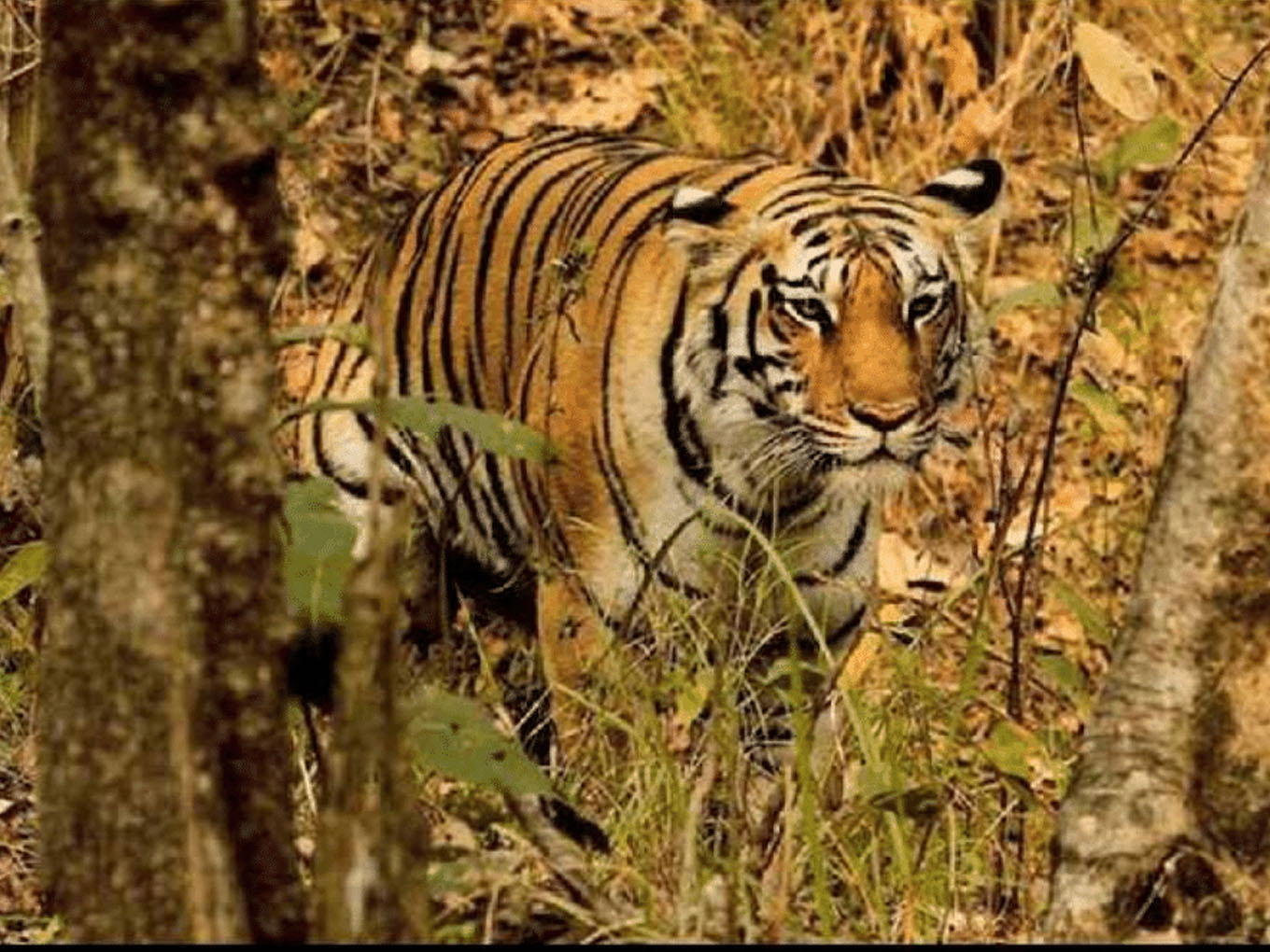
Turekela Wildlife Sanctuary sits about 98 km from Balangir in western Odisha, a quiet stretch of dry deciduous forest near the Chhattisgarh border. It is not a safari park with ticket counters and fixed slots, and that is exactly why it suits travellers who want raw forest, elephant country and a day without crowds.
Key Highlights
- A lesser-known sanctuary in Balangir district, about 98 km from Balangir town, in forest that runs towards the Chhattisgarh border.
- Dry deciduous forest of sal, teak, bamboo, mahua and tendu, with Asian elephants moving through a wildlife corridor.
- Best time to visit is October to March, when the weather is cool and wildlife sightings are more common.
- Nearest railway station is Kantabanji. The nearest major airport is Biju Patnaik International Airport, Bhubaneswar, about 350 km away.
- No published entry fee or fixed safari timings, so check with Odisha forest staff before you travel and plan your stay in a nearby town.
Overview of Turekela Wildlife Sanctuary
Turekela lies in the western part of Odisha, in the Balangir district, where the forests run on towards Chhattisgarh. The region forms a wildlife corridor, a stretch of connected forest that lets animals move between larger forest blocks to feed, breed and find water.
Small forest villages and farmland surround the sanctuary, so the forest edge is a living boundary. People farm next to it, cattle graze near it, and forest staff watch the elephant herds that move between the forest patches.
Forest Ecosystem and Flora
The sanctuary is dry deciduous forest, the kind that covers much of western Odisha and central India. Sal and teak dominate the canopy, with bamboo thickets in the damp patches and mahua, tendu, mango, jamun and terminalia mixed through.
Each tree does a job for the wildlife. Mahua fruit draws animals and birds in the summer. Bamboo thickets shelter smaller mammals. Tall sal gives nesting sites to birds.
The forest also works for the people around it. According to the Government of Odisha, the state’s wildlife sanctuaries protect biodiversity and keep water, soil and carbon in balance.
Wildlife Found in Turekela Wildlife Sanctuary
The forests around Turekela hold the mammals, birds and reptiles typical of eastern and central Indian forests. Asian elephants are the most significant animals here, and forest staff track their movement through the corridor. Wild boar, barking deer, jackals, foxes, jungle cats, Indian hare and porcupines are also reported in the region.
Sightings are never guaranteed, and that is the honest position. This is not a park with a fixed safari route and a high chance of a tiger. Animals are present, but the forest is large and the visitor count is small, so a sighting is a bonus rather than a promise.
Birdwatching at Turekela Wildlife Sanctuary
Birdwatching is the most reliable wildlife activity at Turekela. The forest canopy and the streams attract peafowl, kingfishers, drongos, parakeets, woodpeckers, egrets and jungle owls, and seasonal migrants visit the wetlands and forest clearings in winter. Early morning is the best time, when birds are most active around sunrise.
Carry binoculars and a field guide, and walk slowly with a local guide who knows the calls. The forest trails and open grasslands give clear sightlines in the dry months, and the birding is best from October to March, when migrants arrive and the weather stays cool.
Safari Experience and Eco-Tourism
There is no published safari product at Turekela. No ticket counter, no fixed jeep route and no online booking page exist for the sanctuary. The practical way to visit is to reach the area, contact the local forest range office or a guide in a nearby town, and arrange a forest walk or a drive on the forest roads that are open to visitors.
That low-key setup is also the sanctuary’s strength. Nature walks, wildlife photography, birdwatching and village visits are the activities that fit here, and eco-tourism done this way can give local people work as guides, drivers and hosts.
Stay options inside the sanctuary are limited. Plan to stay in Balangir or Kantabanji, or in a nature camp in the wider region, and carry supplies for the day. Satiguda Nature Camp, in the forested hills of the state, shows the kind of camp stay that works for this sort of trip.
Best Time to Visit Turekela Wildlife Sanctuary
October to March is the best time to visit. The weather is pleasant, wildlife sightings are more common, and birdwatching is at its best with winter migrants in the forest. Plan a trip in 2026 around this window.
April to June is hotter, but animals come to water sources more often, so a patient watcher can still see them. The monsoon, July to September, turns the forest lush and green, and access gets limited by rain and muddy tracks.
How to Reach Turekela Wildlife Sanctuary
By Air
The nearest major airport is Biju Patnaik International Airport in Bhubaneswar, about 350 km away. Jharsuguda airport is a closer regional option, and Raipur airport across the state border is another route in. From any of these, the rest of the journey is by road.
By Train
The nearest railway station is Kantabanji, which connects the region to major cities in Odisha and nearby states. From the station, hire a taxi or a private car for the onward journey, since buses to the forest area are infrequent.
By Road
Turekela is about 98 km from Balangir by road, and state highways and regional roads connect the district to the rest of Odisha. The final approach passes through forest villages, so drive slowly, watch for animals crossing, and fill fuel in Balangir before you set out.
Nearby Places in Balangir District
Harishankar Temple and waterfall, in the Gandhamardan hills, is the best-known attraction near Turekela. The Ranipur-Jharial temple complex is an archaeological site with ancient temples and monuments, and the Gandhamardan hills themselves are a biodiversity hotspot known for medicinal plants and trekking trails. For a fuller Odisha wildlife trip, Bhitarkanika National Park, on the coast, is the mangrove and crocodile counterpart to Turekela’s dry forest, and one of the best birding sites in Odisha in winter.
Western Odisha has other sanctuaries worth the same kind of slow visit. Debrigarh Wildlife Sanctuary, on the Hirakud reservoir, is known for its dry deciduous forest and its deer. Karlapat Wildlife Sanctuary in Kalahandi, and Ushakothi Wildlife Sanctuary near Sambalpur, are both worth adding to the same trip.
Conservation Challenges
Turekela faces the same pressures as forests across India. Human-wildlife conflict is the sharpest one: elephants sometimes move into nearby villages and damage crops. Habitat fragmentation, farm expansion and new infrastructure cut the corridor into smaller pieces.
Forest departments monitor the herds and work with villages to manage the conflict, but the long-term answer is community participation. When local people earn from guiding, homestays and forest work, the forest gains protectors.
Travel Tips
Wear comfortable clothing in dull colours and sturdy shoes, and carry binoculars, water and a basic first-aid kit. Start early: the forest is at its best in the first two hours after sunrise. Carry cash, since card payments are rare in the villages, and confirm your return transport before you enter the forest. Mobile signal is patchy in places, so download offline maps for the Balangir district before you set out.
Conclusion
Turekela is for travellers who want forest without the crowds. Go in the cool months, hire a local guide, and treat a sighting as a bonus.
Frequently Asked Questions
Where is Turekela Wildlife Sanctuary located?
Turekela Wildlife Sanctuary is in Balangir district in western Odisha, about 98 km from Balangir town. The forests run towards the Chhattisgarh border and form a wildlife corridor used by elephants and other forest animals moving between larger forest blocks.
What is the best time to visit Turekela Wildlife Sanctuary?
The best time to visit is October to March, when the weather is cool and pleasant and wildlife sightings are more common. Birdwatching is also best in these months, with winter migrants in the forest. April to June brings animals to water sources, while the monsoon limits access.
What animals can be seen at Turekela Wildlife Sanctuary?
Asian elephants are the most significant animals, along with wild boar, barking deer, jackals, foxes, jungle cats, Indian hare and porcupines. Birds include peafowl, kingfishers, drongos, parakeets, woodpeckers and egrets. Sightings are never guaranteed, so treat them as a bonus.
Is there an entry fee or safari at Turekela Wildlife Sanctuary?
There is no published entry fee or fixed safari product at Turekela, so do not trust blogs that quote a precise ticket price. The practical way to visit is to contact the local forest range office or a guide in a nearby town and arrange a forest walk or a drive on open forest roads.
How do I reach Turekela Wildlife Sanctuary?
The sanctuary is about 98 km from Balangir by road. The nearest railway station is Kantabanji, and the nearest major airport is Biju Patnaik International Airport in Bhubaneswar, about 350 km away. From Balangir or Kantabanji, hire a taxi or private car, since buses to the forest are infrequent.
What are the nearby attractions to Turekela Wildlife Sanctuary?
Harishankar Temple and waterfall in the Gandhamardan hills is the best-known nearby attraction, along with the Ranipur-Jharial temple complex and the Gandhamardan hills themselves. Other sanctuaries in western Odisha, such as Debrigarh, Karlapat and Ushakothi, are worth adding to the same trip.
Weather Turekela Wildlife Sanctuary
[location-weather id="5549"]