
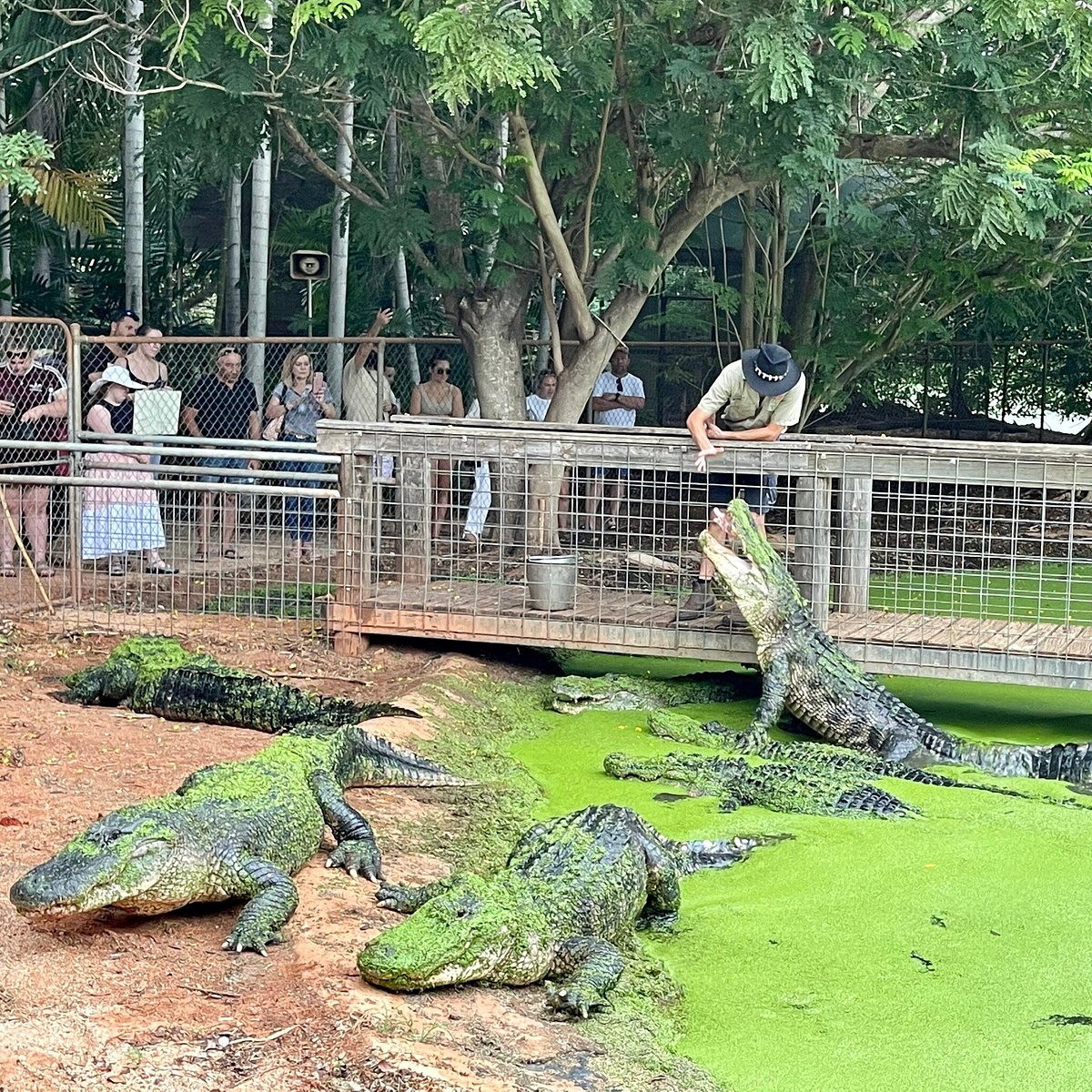
The Ramatirtha Crocodile Project is a mugger crocodile breeding and conservation centre near Jashipur in Mayurbhanj district, Odisha, at the foothills of Similipal. A temple dedicated to Lord Rama shares the site. Visit between November and February, pair it with a Similipal trip, and allow two to three hours on the ground.
Key Highlights
- Location: near Jashipur town in Mayurbhanj, about 4 km from Jashipur and roughly 98 km from Baripada
- Focus: captive breeding and research for the mugger crocodile, Crocodylus palustris
- Started in the 1970s, with the Similipal mugger management project formalised around 1979
- Site: crocodile enclosures, a wetland and reservoir setting, and the Ramatirtha temple to Lord Rama
- Best time: November to February, in the cool season alongside a Similipal visit
About Ramatirtha
Ramatirtha sits in the Similipal foothills near Jashipur, where a temple, a wetland and a reservoir share one quiet campus. The crocodile project here is a breeding and conservation centre for the mugger crocodile, the freshwater species native to the river systems of Similipal Tiger Reserve. Visitors can watch crocodiles in their enclosures, see the rearing pens where young animals grow, and learn how captive breeding supports the wild population.
The site works on two levels at once. For devotees, the temple dedicated to Lord Rama is the heart of the place, and local communities treat it as a religious and cultural centre. For wildlife travellers, the enclosures and the reservoir edge give a close, safe look at an animal that is hard to see well in the wild. If you are planning a wider trip, start with our Odisha tourism overview and place Ramatirtha on the Similipal leg of the route.
History of the Project
Crocodile conservation work at Ramatirtha began in the 1970s as part of Odisha wide efforts to save the species. A survey in late 1979 found that the mugger had virtually disappeared from Similipal Tiger Reserve, and the state government started a captive breeding and management project at Ramatirtha in response. The scheme drew support from the Government of India with FAO and UNDP collaboration in its early phase, and it later ran under the Similipal Tiger Reserve field directorate and the state plan.
The goals were practical: rebuild a viable mugger population in the major rivers inside Similipal, improve captive breeding results through research, and supply juvenile muggers for release elsewhere in the state when needed. Early stock included young muggers brought from Tamil Nadu, with a small group retained at Ramatirtha for captive breeding. Research at the centre covered hatchling survival, feeding and growth in rearing pens, and the handling of problem crocodiles, work published in the Indian Forester in 1991. Later surveys counted muggers back in Similipal river systems, which is the outcome the project was built to produce.
What to See at Ramatirtha
The enclosures are the main draw. Adult muggers rest along the water edges and bask on the banks, and in the cool months they stay visible for long stretches. Younger animals in the rearing areas show the growth stages that the breeding programme manages, from hatchlings to juveniles ready for release. Interpretation material on site explains the species, its habitat needs and why riverbank nesting sites matter.
Walk the reservoir edge after the enclosures. The wetland setting draws pond herons, cormorants, egrets and kingfishers, and the birdlife alone can fill a slow hour with binoculars. The temple precinct adds a calm, local rhythm to the visit, with devotees coming and going through the morning. Keep the visit unhurried: Ramatirtha rewards travellers who watch quietly rather than rush the fence line. For another Mayurbhanj stop on the same circuit, the falls at Kapadgadi Waterfall pair well with a Jashipur base.
Best Time to Visit
November to February is the best window, when the weather is cool, the reservoir edges are firm and crocodiles bask in the open. October and March also work well for most travellers. Summer heat pushes animals into the water and makes the open campus tiring by midday. In the monsoon the Similipal roads and forest routes need extra care, and parts of the wider reserve follow seasonal access rules, so check local conditions before you set out. Morning hours give you the best light and the most active temple scene.
Timings and Entry
Guide listings commonly give visiting hours from about 8 am to 6 pm, with the temple active from early morning. Entry arrangements and any small fees are managed locally and can change, so confirm at the gate or through your Jashipur hotel before you go. Carry cash in small notes, since card payment at small rural counters is not guaranteed. If you are visiting in 2026, ask locally about current timings, as forest department sites adjust hours by season.
How to Reach Ramatirtha
Ramatirtha is about 4 km from Jashipur town on the Similipal side of Mayurbhanj, and Jashipur is the natural base for the visit. Baripada, the district headquarters, is roughly 98 km away by road.
By Air
Biju Patnaik International Airport at Bhubaneswar is the main airport for this trip, roughly 246 km from Ramatirtha by road. From Bhubaneswar, drive toward Baripada and Jashipur, or combine a train leg with a taxi for the last stretch. Keep a full day for the transfer if you land in the morning.
By Train
Baripada station is the nearest railhead in most listings, about 35 km from the Jashipur side by road in local guides, though the practical rail approach depends on your route. Keonjhar station, about 64 km away, is another option for travellers coming from the west. Check current services on IRCTC, then take a taxi or bus to Jashipur and a short local ride to the project.
By Road
Jashipur sits on the national highway corridor through Mayurbhanj, and buses from Baripada and Bhubaneswar side towns serve the route. The Jashipur bus stand is about 3 km from the temple and project area. A hired car from Baripada gives you the most flexibility, especially if you plan to continue into Similipal entry points the same day.
Where to Stay
Stay in Jashipur for the simplest logistics, with small hotels and lodges near the highway. A nature camp near the project has been developed for tourists, and Similipal side stays around the reserve gates suit travellers combining both. Book early in the winter season, when Similipal demand rises and the better rooms near Jashipur fill first.
Nearby Places to Visit
Similipal National Park and Tiger Reserve is the obvious pairing, with its sal forests, waterfalls and safari routes starting from the Jashipur and Baripada sides. Baripada town itself offers the district museum scene and local handloom shopping. Travellers extending the Odisha circuit often add the Chilika lagoon next, where the Rajhans Nature Camp gives a gentle island base.
The drive from Mayurbhanj to the coast is long, so keep a buffer day between the forest leg and any beach plans.
On the coast, the Golden Beach in Puri makes an easy final stop after the forest leg.
Travel Tips
Visit in the morning for active animals and softer light for photographs. Stay behind barriers at all times and never tap fences or throw food into enclosures. Carry water, a hat and insect repellent, since the campus is open and rural. Keep voices low near the temple and dress modestly if you step inside. Plan fuel, food and mobile network expectations around Jashipur, and confirm Similipal entry rules separately if you are combining both visits.
Frequently Asked Questions
Where is the Ramatirtha Crocodile Project located?
It is located near Jashipur in Mayurbhanj district, Odisha, at the foothills of Similipal. It is about 4 km from Jashipur town and roughly 98 km from Baripada. The site combines crocodile enclosures, a wetland and reservoir, and a temple to Lord Rama.
Which crocodile species is conserved at Ramatirtha?
The project conserves the mugger crocodile, Crocodylus palustris, the freshwater species of Similipal river systems. Work began after a 1979 survey found muggers had nearly vanished from the reserve. Captive breeding at Ramatirtha supports research, restocking and releases elsewhere in Odisha.
What is the best time to visit Ramatirtha?
November to February is the best time to visit Ramatirtha, when the weather is cool and crocodiles bask in the open. October and March are also good. Avoid peak summer heat, and check road conditions carefully if you plan a monsoon season trip.
How do I reach Ramatirtha from Baripada?
Drive from Baripada toward Jashipur, a road journey of roughly 98 km, then continue about 4 km to the project. Buses serve Jashipur, and its bus stand is about 3 km from the site. A hired car is easiest if you are combining Ramatirtha with Similipal.
What are the visiting timings at Ramatirtha?
Guide listings commonly give visiting hours of about 8 am to 6 pm, with the temple active from early morning. Timings and any small entry arrangements are managed locally and can change by season. Confirm at the gate or through your Jashipur hotel before you go.
Can Ramatirtha be combined with Similipal?
Yes, Ramatirtha combines naturally with Similipal, since it sits at the reserve foothills near Jashipur. Visit the project in the morning, then continue to your Similipal entry point the same day. Check reserve entry rules and seasonal access separately before finalising the plan.
Base yourself in Jashipur, visit Ramatirtha early in the morning, and keep the rest of the day for Similipal. Book your winter dates first, then confirm local timings on arrival.
Location for Ramatirtha Crocodile Project
Weather Ramatirtha Crocodile Project
[location-weather id="5549"]