
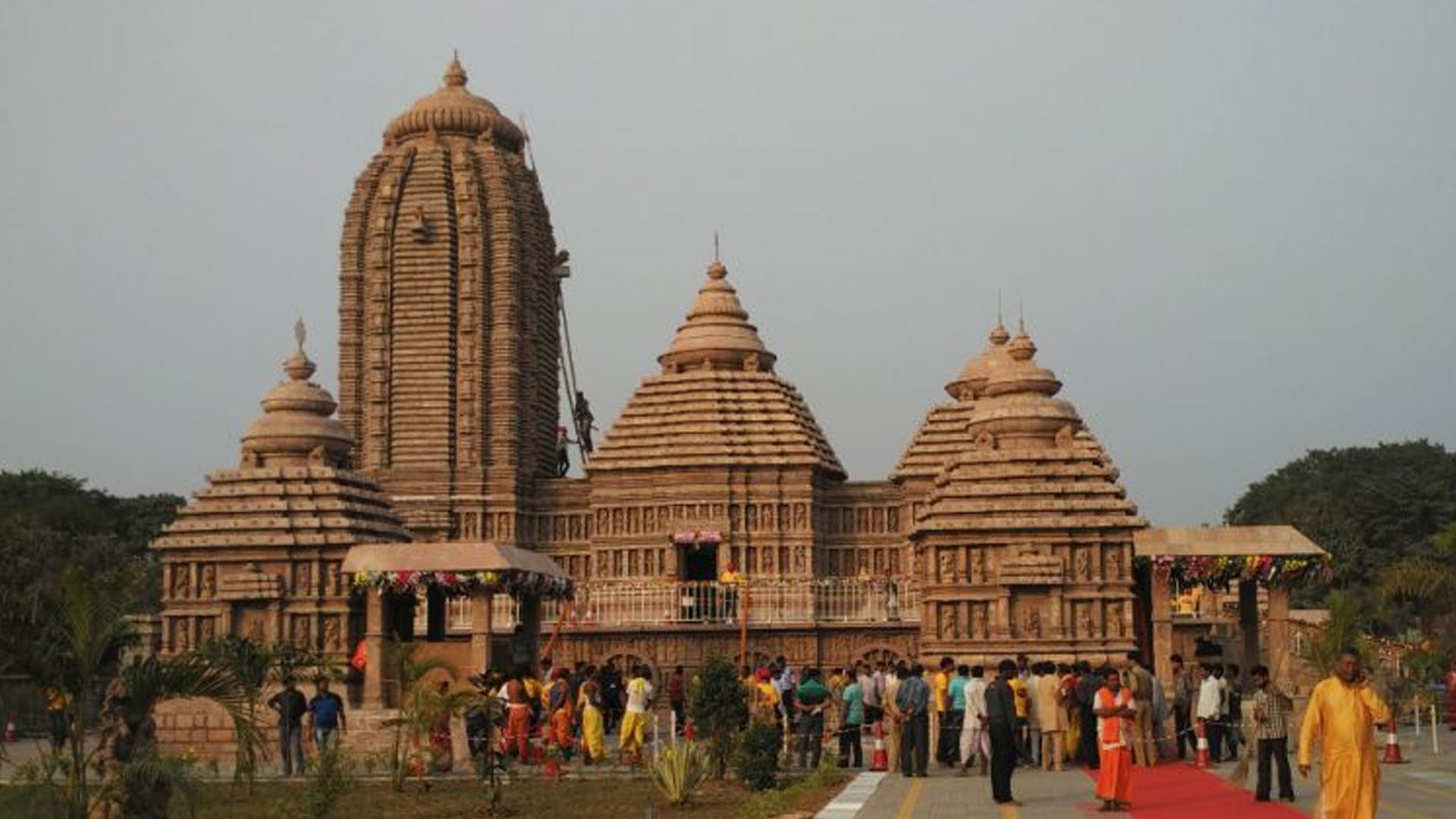
Ram Mandir Fategarh in Bhapur block, Nayagarh district, is a modern hilltop temple that locals call the Ayodhya of Odisha, built by villagers and devotees and inaugurated on 22 January 2024. It stands on a hill more than 1,600 feet above sea level, about 40 km from Nayagarh town and 65 km from Bhubaneswar.
Key Highlights
- Modern temple on a hilltop near Fategarh village in Bhapur block, Nayagarh district.
- Inaugurated on 22 January 2024, the same day as the Ayodhya Pran Pratishtha.
- Built with Baulamala stone by villagers and Shri Ram Seva Parishad at a cost of over Rs 10 crore.
- Main Rekha temple about 65 feet tall, with Bhadra at 35 feet and Mohan at 25 feet.
- About 40 km from Nayagarh town and 65 km from Bhubaneswar, with parking at the top and bottom of the hill.
A Temple Built by Its Villages
The story of Ram Mandir Fategarh starts with the people around it, not with a king or a dynasty. Construction began in 2017, with around 150 workers on site, and the money came from villagers of Fategarh and Bhapur, from Shri Ram Seva Parishad, and from devotees across Odisha. The final cost ran to more than Rs 10 crore, and the temple opened its doors on 22 January 2024, the same day as the consecration ceremony in Ayodhya.
More than one lakh people gathered on the hilltop for the inauguration, according to local reports, and the mood that day was one of village pride as much as devotion. That community origin still shows in how the temple is run: local committees and devotees look after the site, and festivals here feel like village celebrations rather than managed events.
Why the Hill Was Already Sacred
Long before the temple rose, the hill was a sacred spot known as a Bhagavata Pitha, where villagers worshipped Lord Govardhan and prayed for rain. That older devotion is the root of the temple’s story. Local people say the idea of a Ram temple here grew from that history, and the hill’s past gave the new temple a meaning that went beyond its stones.
The hill’s sacred standing deepened in 1912, when a neem tree from this forest was chosen during Lord Jagannath’s Nabakalebara for crafting Lord Sudarshan. Villagers still point to that event as proof that the hill was blessed long before construction began. The same district also holds Dwitkeshwar Mahadev Temple, another shrine travellers pair with this hill. Chakradhar Pradhan of Fategarh led the effort to turn that devotion into a temple, and the villagers formed a committee and worked together to build it.
Architecture and the Temple Complex
The temple is built of Baulamala stone, the same stone used in the Maa Tara Tarini Temple of Ganjam, and its design draws on that tradition. The complex has three main structures: the Rekha temple at about 65 feet, the Bhadra temple at about 35 feet, and the Mohan temple at about 25 feet. Together they form a striking sight against the sky from the foot of the hill.
Inside, Lord Ram is worshipped with Sita, Lakshman, and Hanuman as the main deities. Other shrines in the complex honour Giri Govardhan, Surya Narayan, Ganesha, and Chandrasekhar, so a visit covers several deities in one stop. The hilltop also has a children’s park and parking areas at the top and bottom of the hill, which makes the site easy for families.
How to Reach Ram Mandir Fategarh
The temple sits on a hill near Fategarh village in Bhapur block. From Nayagarh town, Rajgiri Waterfall offers a nature break on the same district drive. From the bottom of the hill, visitors can drive up or walk about 1 km to the temple. The walk is steady rather than steep, and it gives views over the surrounding countryside as you climb.
By Air
The nearest airport is Biju Patnaik International Airport in Bhubaneswar, about 65 km from the temple. From the airport, hire a taxi for the drive south to Bhapur and Fategarh, which takes around one and a half to two hours. There is no direct public transport to the hill, so a taxi or a private car is the practical choice.
By Train
The nearest major railway station is Bhubaneswar, with Khurda Road Junction also serving the region. From Bhubaneswar station, take a taxi or a bus towards Nayagarh and Bhapur, and then a local vehicle to Fategarh village. Nayagarh town, about 40 km away, is the nearest district centre for local transport.
By Road
By road, the temple is about 65 km from Bhubaneswar and 40 km from Nayagarh town. From Bhubaneswar, the route runs south towards Nayagarh district and then to Bhapur block and Fategarh village. Roads are in fair condition, but the last stretch is a village road, so drive carefully and confirm the route with locals if you travel after dark.
Best Time to Visit
The temple is open through the year, and any season works for a visit. Travellers with more time can add Tapoban Mahima Ashram in Dhenkanal to the same route. October to March brings cooler weather and clearer views from the hilltop, which makes it the most comfortable season. Ram Navami is the biggest festival here, and it draws large crowds, so arrive early if you visit during festival days. Summer is hot but quiet, and the monsoon turns the hill green, though the path can get slippery after rain.
Entry Fee and Timings
There is no entry fee mentioned for Ram Mandir Fategarh, and darshan follows the usual morning and evening temple hours. Since this is a village-run temple, timings can shift with festivals and seasons, so check locally before a special trip. Carry water for the climb, and keep footwear in mind, since temple custom asks visitors to remove shoes before entering the sanctum.
Things to Do Nearby
Nayagarh district offers a quiet day of exploring around the temple. Khandapada Palace and Jagannath Temple give a second temple and heritage stop, Dwitkeshwar Mahadev Temple adds another shrine in the same district, Rajgiri Waterfall offers a nature break, and travellers heading on to the coast can add Tapoban Mahima Ashram in Dhenkanal to the same route.
Travel Tips
Travellers heading north can also add Khandapada Palace and Jagannath Temple to the same district trip. Dress modestly and follow temple customs on footwear and photography. If you walk up the hill, wear comfortable shoes and carry water, especially in summer. Visit on a weekday for a quieter darshan, and plan extra time if you travel during Ram Navami or other festivals. Combine the temple with Nayagarh town for food and transport, since options near the hill itself are limited.
Frequently Asked Questions
Where is Ram Mandir Fategarh located?
Ram Mandir Fategarh is located on a hill near Fategarh village in Bhapur block, Nayagarh district, Odisha. It sits about 40 km from Nayagarh town and 65 km from Bhubaneswar, with parking at the top and bottom of the hill.
When was Ram Mandir Fategarh inaugurated?
Ram Mandir Fategarh was inaugurated on 22 January 2024, the same day as the Pran Pratishtha ceremony in Ayodhya. Construction had begun in 2017, with around 150 workers involved and funding from villagers and devotees. The temple opened after years of work by villagers and devotees across Odisha.
Why is Ram Mandir Fategarh called the Ayodhya of Odisha?
Ram Mandir Fategarh is called the Ayodhya of Odisha because it is a grand Ram temple built by local devotion, and because it was inaugurated on the same day as the Ayodhya temple. The name reflects local pride in the temple rather than an official title.
How do I reach Ram Mandir Fategarh from Bhubaneswar?
From Bhubaneswar, hire a taxi for the drive of about 65 km to Bhapur block and Fategarh village, which takes around one and a half to two hours. By train, reach Bhubaneswar station and then travel by road to Nayagarh district.
Is there an entry fee at Ram Mandir Fategarh?
No entry fee is mentioned for Ram Mandir Fategarh, and darshan follows normal temple hours. Since the temple is village-run, timings can shift with festivals, so check locally before a special trip. Timings can shift with festivals and seasons, so check locally before travelling.
What is the best time to visit Ram Mandir Fategarh?
October to March is the best time to visit Ram Mandir Fategarh, with cooler weather and clearer hilltop views. Ram Navami is the biggest festival, so visit during it for the full celebration, or on a weekday for a quieter darshan.
Ram Mandir Fategarh is worth the detour for travellers who want to see how a village builds a temple with its own hands. Go in the morning, climb the hill slowly, and pair the visit with a drive through Nayagarh district.
Location for Ram Mandir
Weather Ram Mandir
[location-weather id="5549"]