
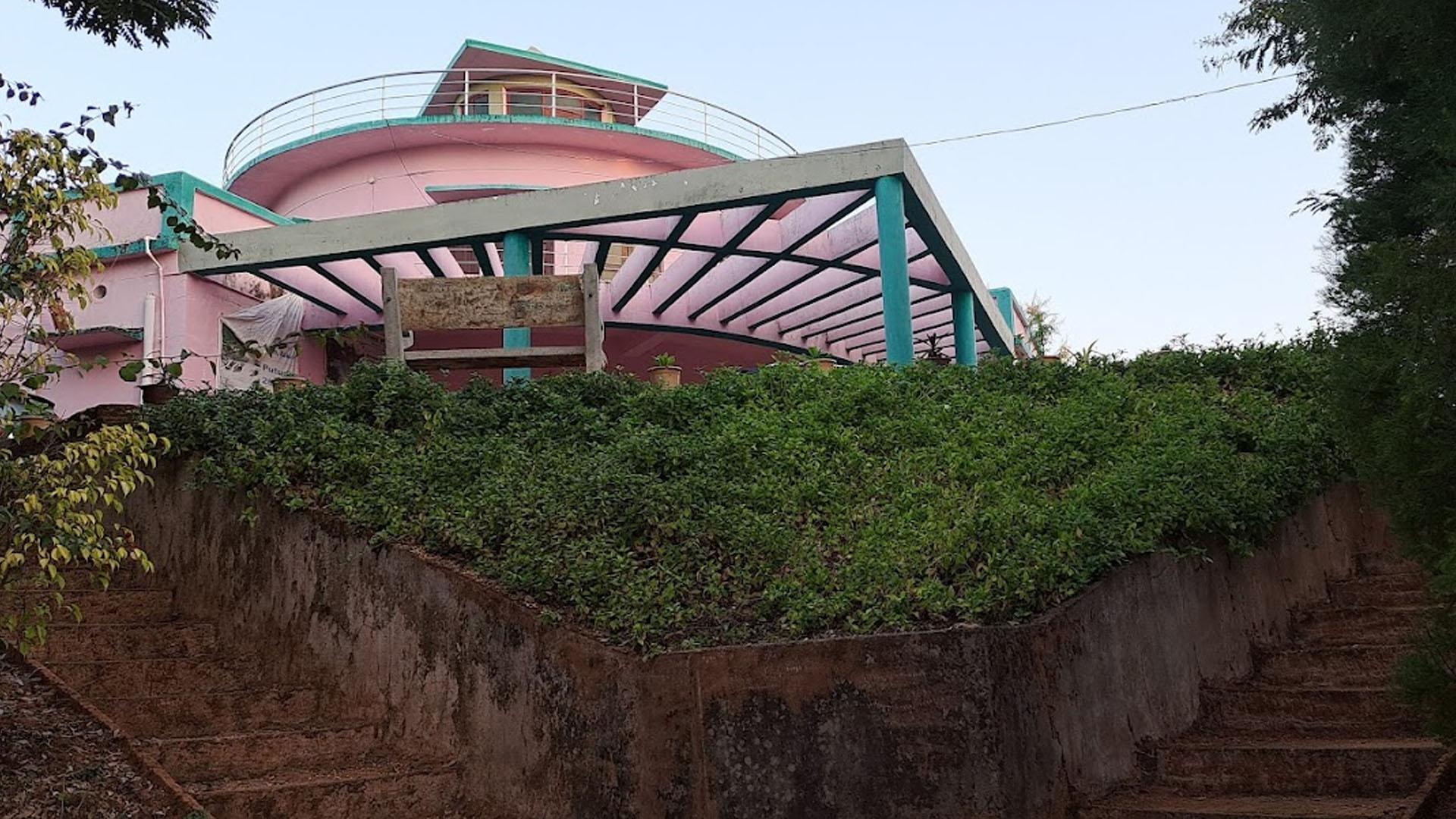
Phulbani Nature Camp sits in Mulagudari village in Kandhamal district, Odisha, beside the Mulagudari waterfall in the foothills of the Eastern Ghats. It is a forest stay run on ecotourism lines, with bamboo cottages and tents on 20 acres of wooded land, and it works best as a quiet two-night break from Bhubaneswar or Berhampur.
Key Highlights
- Forest stay in Mulagudari village, Kandhamal district, beside the Mulagudari waterfall.
- Bamboo cottages and tent stays on 20 acres of wooded land in the Eastern Ghats foothills.
- Guided treks, birdwatching, nature walks and evening campfires included in the stay.
- Open daily from 7 am to 6 pm; the best time to visit is November to February.
- Nearest airport Bhubaneswar (251 km); nearest railway station Berhampur (150 km).
Where the Camp Sits
The camp stands on the edge of Mulagudari village, about 54 km south of Phulbani town, the headquarters of Kandhamal district. The land slopes down toward the Khadkei River, and the Mulagudari waterfall drops through forest a short walk from the cottages. Sal, bamboo and mango trees cover most of the 20-acre site.
Kandhamal is one of the least crowded districts in Odisha, and the air here stays cooler than the coastal plains. There is no town noise and no resort strip. Mornings start with bird calls, and evenings end early under a dark sky.
Do not confuse this camp with Mandasaru, another forest gorge in Kandhamal near Raikia. Mandasaru has its own nature camp and its own waterfall, the Pisogrundu cascade, about 90 km from Phulbani town. The two places share a district, but they are separate stays in separate valleys.
Staying at the Camp
Accommodation is simple by design. Bamboo cottages with attached baths form the mainstay, and tents on raised platforms suit travellers who want to sleep closer to the forest. Expect plain rooms, firm beds and hot water on request rather than hotel fittings.
Meals are home-cooked Odia food from nearby villages: rice, dal, seasonal vegetables and local fish or chicken, with the menu changing as markets bring in produce. Tell the staff about dietary needs when you book, since the camp plans meals a day ahead.
The camp runs on Odisha Forest Department ecotourism lines, and local staff manage the stay. Bookings go through the Odisha Ecotourism website, which lists the camp with room types and dates. Book a week ahead for weekends and the winter season, when cottages fill first. Carry a copy of your booking confirmation, since mobile signal in the valley can be patchy.
Things to Do at Phulbani Nature Camp
The short trek to the Mulagudari waterfall is the first thing most guests do. The trail leaves from the camp and follows the stream through forest, and the fall drops over stepped rock into a clear pool. The walk is easy in dry months and slippery after rain, so wear shoes with grip.
Birdwatching is the second draw. The mixed forest holds hornbills, kingfishers, parakeets and many smaller woodland birds, and the early morning hours are the best time to see them. Bring binoculars, and walk slowly along the riverbank, where you will see more than on a fast trek.
Nature walks run through the day and focus on the forest itself: medicinal plants, bamboo groves and the trees that feed the birds. Guides explain the medicinal plants and how the forest is protected. These walks are slow and short, which suits families and older travellers.
Evenings are quiet by plan. The camp runs yoga and meditation sessions in the open, and on clear nights guests gather around a campfire for stories and stargazing. There is no television and no music system, so bring a book if you want something after dark. For a wider forest experience in the same state, the Satkosia Wildlife Sanctuary in Angul offers river gorges and a much larger protected landscape.
How to Reach Phulbani Nature Camp
By Air
The nearest airport is Biju Patnaik International Airport in Bhubaneswar, 251 km from the camp. Fly in from Delhi, Mumbai, Kolkata, Bengaluru or Hyderabad, then drive south through Nayagarh and Phulbani town. The drive takes about six hours, so plan to reach the camp before dark.
By Train
The nearest railway station is Berhampur (Brahmapur), 150 km from the camp, on the Howrah-Chennai main line. Trains from Kolkata, Chennai, Bengaluru and Hyderabad stop here. From Berhampur, take a bus or taxi to Phulbani town and then on to Mulagudari village, a road journey of around four hours.
By Road
By road, the camp is about 211 km from Bhubaneswar and 165 km from Berhampur. From Bhubaneswar, drive via Nayagarh to Phulbani town, then take the road south toward Raikia and turn off for Mulagudari village. The last stretch is a village road, so follow the camp’s directions rather than relying only on a map app. Buses run to Phulbani town from both cities.
Best Time to Visit
Winter, from November to February, is the best time to visit Phulbani Nature Camp in 2026. Days stay mild, the forest is dry enough for comfortable treks, and the waterfall still carries water. Mornings can be cool, so pack a light jacket.
March to May turns hot and dry, and the waterfall shrinks to a trickle. The monsoon months from June to September fill the fall again, but the trails get slippery and leeches appear on the forest floor. In the rains, carry rain gear and check trail conditions with the camp first.
Entry Fee and Timings
The camp opens daily from 7 am to 6 pm. Day visits are possible, but it works best overnight, since the walks and the waterfall trek need a full morning. There is no published entry fee; you pay for the stay and meals through the Odisha Ecotourism booking portal. Confirm the current tariff there before you travel. For another forest stay in the same district, Belghar Nature Camp in Kandhamal sits deeper in the hills near Daringbadi.
Nearby Places to Visit
Daringbadi, often called the Kashmir of Odisha, lies about 110 km from Phulbani town and pairs naturally with the camp. The hill station sits 3,000 feet above sea level, with pine forests, coffee gardens and waterfalls like Putudi, Ludu and Midubanda. Winter mornings there can bring frost.
Belghar Nature Camp is another forest stay in Kandhamal, about 50 km from Daringbadi, set in a sanctuary known for elephants and thick sal forest. It suits travellers who want a second night in the hills after Phulbani. Phulbani town itself has a Jagannath temple and weekly markets where Kondh tribal communities sell forest produce and woven goods.
On the way back toward the coast, the Dambarugad hill station in Boudh district and the Gupteswar Shiva Temple in Boudh sit on the route to Bhubaneswar. For a different forest stay near the capital, Chandaka Nature Camp near Bhubaneswar offers elephant country within a short drive of the city.
Travel Tips for Phulbani Nature Camp
Carry cash, since the camp and nearby villages have no ATMs and card machines often fail on weak signal. Pack sturdy shoes, a torch, mosquito repellent and a light jacket. Mobile networks drop in and out in the valley, so download offline maps before you leave Phulbani town.
Respect the forest rules. Stay on marked trails, do not pick plants or feed animals, and keep noise low near the cottages at night. The camp is a community-run stay, so a little patience with simple facilities goes a long way. The Debrigarh Wildlife Sanctuary in Sambalpur follows the same community model if you plan a longer Odisha forest circuit.
Frequently Asked Questions
Where is Phulbani Nature Camp located?
Phulbani Nature Camp is in Mulagudari village in Kandhamal district, Odisha, about 54 km south of Phulbani town. It sits tucked away in the Eastern Ghats foothills beside the Mulagudari waterfall, on 20 acres of forest near the Khadkei River.
What is the best time to visit Phulbani Nature Camp?
November to February is the best time to visit Phulbani Nature Camp. Winter days are mild and dry, the trails are comfortable, and the waterfall still carries water from the monsoon. Mornings can be cool, so carry a light jacket.
How do I book a stay at Phulbani Nature Camp?
Book through the Odisha Ecotourism website, which lists the camp with room types and available dates. Book at least a week ahead for weekends and the winter season. Carry your booking confirmation, since mobile signal in the valley can be patchy.
How far is Phulbani Nature Camp from Bhubaneswar?
Phulbani Nature Camp is about 211 km from Bhubaneswar by road, a drive of roughly six hours via Nayagarh and Phulbani town. The nearest airport is Bhubaneswar (251 km), and the nearest railway station is Berhampur (150 km). Plan to arrive before dark.
What can I do at Phulbani Nature Camp?
You can trek to the Mulagudari waterfall, go birdwatching at dawn, join guided nature walks, practise yoga and meditation, and spend evenings around a campfire. The camp also arranges visits to nearby villages, where you can meet local communities and learn about their crafts.
Is Phulbani Nature Camp the same as Mandasaru?
No. Phulbani Nature Camp is in Mulagudari village near Phulbani town, while Mandasaru is a separate gorge and nature camp near Raikia, about 90 km from Phulbani. Both are in Kandhamal district, but they are different stays in different valleys.
Phulbani Nature Camp suits travellers who want two quiet nights in the forest. Book a cottage for the winter months, arrive before dark, and plan your first morning around the waterfall trek.
Weather Best Phulbani Nature Camp
[location-weather id="5549"]