
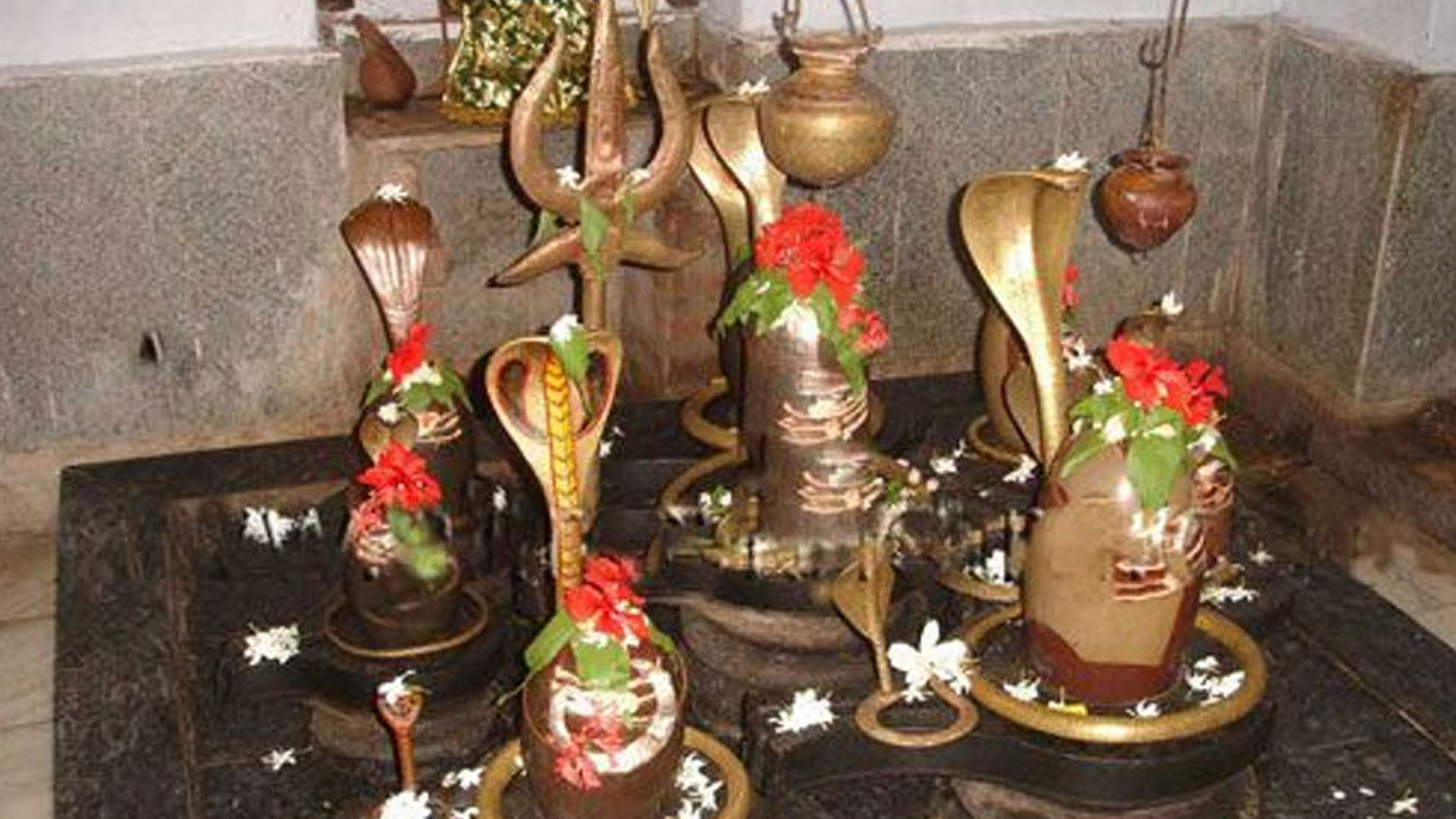
Naganatheswar Temple near Nagena village, about 20 km from Dhenkanal town, is an ancient Shiva shrine in Odisha known for its Kalinga architecture, its serpent legend, and its quiet village setting. It suits heritage travellers and devotees who want an old Shaivite temple without the crowds of the big temple cities.
Key Highlights
- Naganatheswar Temple is dedicated to Lord Shiva as Naganatheswar, the lord of serpents, at Nagena village near Dhenkanal.
- Local tradition links the shrine to the Kesari dynasty and the early medieval period of Odisha temple building.
- The temple follows the Kalinga style, with a Rekha Deula sanctum tower and a pillared Jagamohana hall.
- Maha Shivaratri is the biggest festival, drawing thousands of devotees to the village each year.
- The shrine sits about 20 km from Dhenkanal town and is open daily from early morning to evening.
History and legend
Naganatheswar Temple stands at Nagena village, also called Naganabasti, about 20 km from Dhenkanal town. Local tradition dates the shrine to the early medieval period, when the Kesari kings ruled Odisha and Shaivite temple building flourished. Some accounts place construction in the 12th century and others in the 13th, and the shrine is said to have been damaged in later invasions before local rulers and villagers rebuilt it. Exact dates are not fixed by inscriptions, so the history rests on tradition and regional accounts.
The name comes from a serpent legend. Village tradition says Gandhapur village once suffered under a curse of serpents’ venom that left the land barren. A saint named Baba Balunkeswar meditated under a neem tree for months, and Lord Shiva appeared from underground as Nageswar, the lord of serpents, freeing the land from venom. The temple took its name from that appearance, and the neem grove in the premises is still part of the shrine’s story.
Some regional writers link the temple to the Jyotirlinga tradition, since one of the sacred verses places a Jyotirlinga in a neem forest, or Daruka Vana. That link is a matter of local belief and scholarly debate rather than settled fact, and the temple is best described as an ancient Shaivite shrine with a strong local Jyotirlinga tradition, not as one of the twelve canonical Jyotirlingas.
Architecture and what to see
The temple is built in the Kalinga style of Odisha, with a tall Rekha Deula tower over the sanctum and a pillared Jagamohana assembly hall. The same tradition shapes the Ananta Vasudeva Temple in Bhubaneswar, on a grander scale. The sanctum holds the Shivalinga, resting on a yoni base, along with an idol of Goddess Parvati. Stone carvings on the walls show Shiva, Vishnu, Devi, and Ganesha, and the mix of Shaivite, Vaishnavite, and Shakta imagery reflects the religious harmony of medieval Odisha.
A small ritual pond, or pushkarini, stands near the lower shrine and adds to the calm of the complex. Visitors should look for the carved doorways, the pillared hall, and the pyramid-shaped roof of the assembly hall. The temple is not large, so a slow walk around the complex, with time to study the carvings, takes under an hour. Morning light falls well on the carved tower and the pillared hall, so photographers should arrive early, while the midday sun makes the stonework harder to read in photographs.
Daily rituals continue at the shrine, with priests dressing the deities and conducting morning and evening worship. Devotees offer water, milk, flowers, and bel leaves to the linga, especially on Mondays and festival days.
Festivals at the temple
Maha Shivaratri is the biggest festival at Naganatheswar Temple, when thousands of devotees gather for night-long worship, decorated deities, and lamps. Kartika Purnima and Makar Sankranti are also celebrated with special rituals. On festival days the village fills with pilgrims, stalls, and chanting, and the saffron-soaked water known as Kashaya Gandha is treated as sacred by devotees. Travellers who want a quiet visit should come on an ordinary weekday.
How to reach Naganatheswar Temple
By Air
The nearest airport is Biju Patnaik International Airport in Bhubaneswar, about 100 km from Dhenkanal district by road. From the airport, take a train or a taxi to Dhenkanal town and then a local taxi to Nagena village. The full journey takes several hours, so plan it as a day trip from Bhubaneswar or an overnight stay in Dhenkanal.
By Train
Dhenkanal railway station is the nearest railhead, about 20 km from the temple. Trains from Bhubaneswar, Cuttack, and other Odisha cities stop at Dhenkanal. From the station, hire a taxi or an auto-rickshaw to Nagena village, since village buses run infrequently.
By Road
By road, the temple is about 20 km from Dhenkanal town, connected by district roads through farmland and villages. Buses run from Dhenkanal toward nearby villages, but a taxi is the most reliable option for the final stretch. Roads are motorable in all seasons, though the village approach is narrow.
Best time to visit
October to March is the best time to visit Naganatheswar Temple, when the weather is cooler and pleasant for walking around the complex. Maha Shivaratri, usually in February or March, offers the liveliest experience but also the largest crowds. Summer is hot, so visit early in the morning, and the monsoon brings green fields but muddy village lanes.
Entry fee and timings
Entry for darshan is free, and donations are accepted at the temple. Local listings put the temple’s hours at roughly 6:00 am to 7:00 pm daily, with longer hours on festival days. Timings can shift on special occasions, so confirm locally before a festival visit.
Places near Naganatheswar Temple
Dhenkanal district offers several quiet heritage stops around the temple. The Tapoban Mahima Ashram on Kapilash Hill is a peaceful ashram and a natural pairing with a temple day trip.
Kapilash Hill itself rewards walkers with forest paths and views over the surrounding plains.
Further afield, the Chandikhol Chandi Temple in Jajpur district suits a longer Odisha temple circuit for heritage travellers.
Travel tips
Dress modestly and remove footwear before entering the sanctum. Carry cash for transport and offerings, since card payment is unreliable in the village. There are few restaurants near the temple, so eat in Dhenkanal town before or after the visit. Download offline maps before leaving Dhenkanal, since village signboards are limited and mobile signal can be patchy.
Travellers heading toward Cuttack can add the Damadamani Pitha, a reservoir-side shrine that makes a calm stop on the way back from Dhenkanal.
Frequently Asked Questions
Where is Naganatheswar Temple located?
Naganatheswar Temple is located at Nagena village, about 20 km from Dhenkanal town in Odisha. The village is also called Naganabasti, and the temple is the best-known landmark there, so local drivers in Dhenkanal know the route well. From Dhenkanal town, a taxi covers the distance in under an hour on district roads.
Who is worshipped at Naganatheswar Temple?
Lord Shiva is worshipped at the temple as Naganatheswar, the lord of serpents, with the Shivalinga as the presiding deity. An idol of Goddess Parvati also stands in the sanctum, and the carvings show Vishnu, Devi, and Ganesha alongside Shiva.
How old is Naganatheswar Temple?
Local tradition dates the temple to the early medieval period under the Kesari dynasty, with some accounts placing it in the 12th century and others in the 13th. No inscription fixes an exact date, and the shrine was rebuilt after later damage, so its age rests on tradition.
Is Naganatheswar Temple a Jyotirlinga?
Local tradition links the temple to the Jyotirlinga tradition through a sacred verse that places a Jyotirlinga in a neem forest. That link is a matter of local belief and debate, and the temple is not counted among the twelve canonical Jyotirlingas of India.
When is the best time to visit Naganatheswar Temple?
October to March is the best time to visit, when the weather is cooler and pleasant for exploring the complex. Maha Shivaratri in February or March is the liveliest time, but it also brings the largest crowds to the village.
Is there an entry fee for Naganatheswar Temple?
There is no entry fee for darshan at Naganatheswar Temple, and donations are accepted at the shrine. Visitors should carry cash for transport and offerings, since card payment is unreliable in Nagena village. Priests can advise on the cost of any special puja before it begins.
Naganatheswar Temple rewards travellers who make the short trip from Dhenkanal town with old stonework, a living legend, and a quiet village atmosphere. Pair it with Kapilash Hill for a full day in Dhenkanal district.
Weather Naganatheswar Shiva Temple
[location-weather id="5549"]