
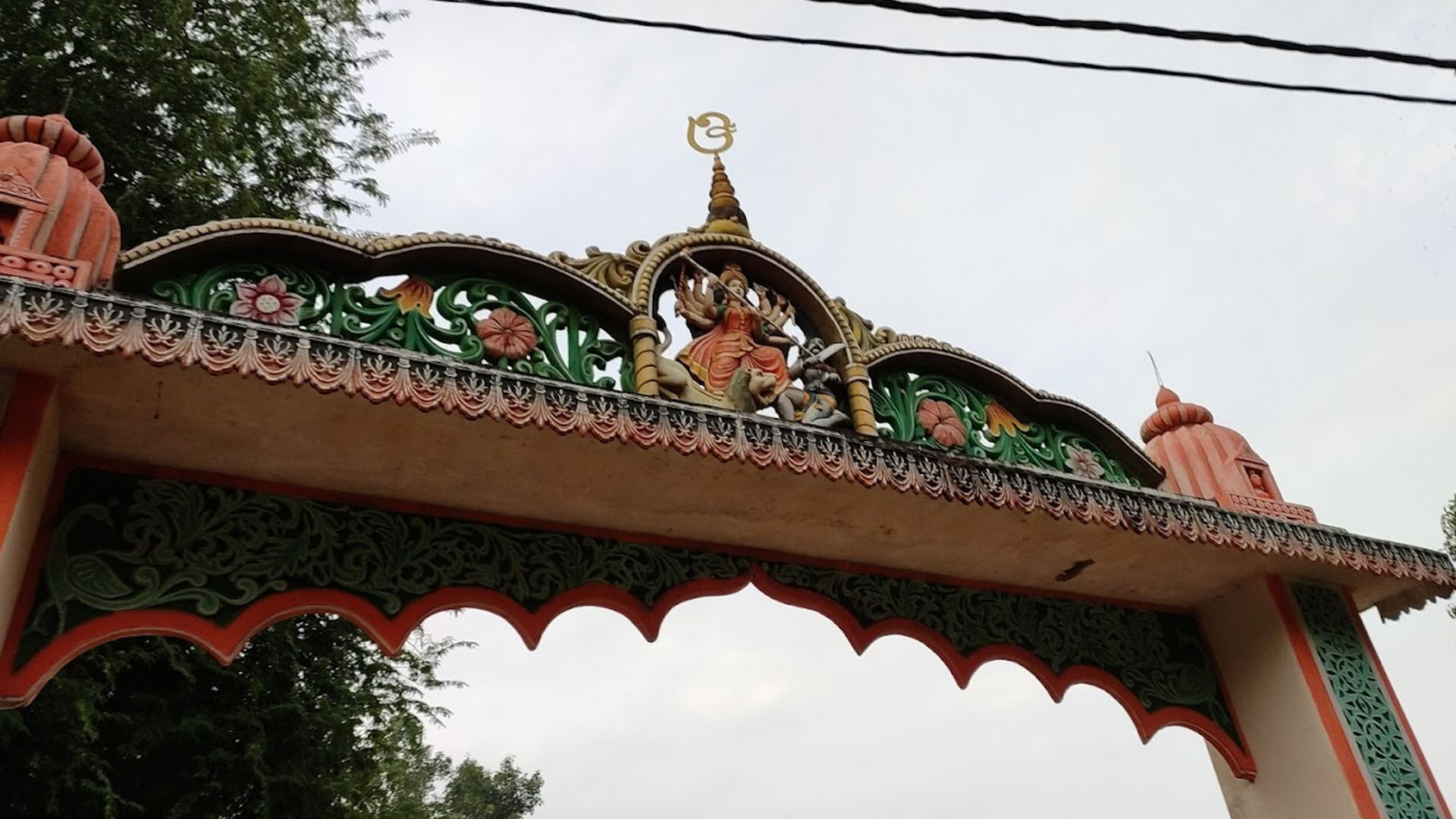
Sureswari Temple stands on the left bank of the Tel River in Sonepur town, Subarnapur district, Odisha. It is the oldest Shakti shrine of the town, and its present temple was built by the Chauhan king Achal Singh Deo between 1725 and 1750.
Key Highlights
- The oldest Shakti shrine of Sonepur and the presiding deity of the town, on the left bank of the Tel River.
- Present temple built by Chauhan king Achal Singh Deo (1725-1750); the pillared mandapa was added in 1932.
- Pancharatha Rekha Deula in the Kalinga style, with a six-handed standing image of goddess Kali.
- Open daily from 6:00 am to 9:00 pm, with no entry fee; about 1 km from Sonepur bus stand.
- Bali Jatra, the 15-day festival in Ashwin, is the temple’s biggest event, along with Durga Puja and Navratri.
History of Sureswari Temple
The worship of Sureswari at Sonepur is far older than the present temple. Records note she was the presiding deity of the Subarnapur fort in the Somavamsi period, and she is named among the 64 Yoginis in the Chandipurana, written in the 15th century by Sarala Das.
The present temple was built by the Chauhan king Achal Singh Deo, who ruled Sonepur from 1725 to 1750. The Chauhans made Sonepur their capital, and the temple became the royal family’s deity seat. The pillared mandapa was added in 1932 by King Biramitra Deo. The temple is recorded in the IGNCA and Archaeological Survey of India survey of Subarnapur’s monuments.
Subarnapur district holds a spread of old temples from the same periods. The Metakani Temple at Ulunda is another shrine worth an hour, with its own local legends and a quiet setting away from the town.
The Parashuram Legend
Local belief ties the temple to Lord Parashuram, the sixth avatar of Vishnu. The story says he performed a sacrificial yagna here at his mother Renuka’s request, to free himself from the sin of destroying the Kshatriyas. The legend gives the site its standing as a place of atonement, and it is the story every priest here tells first.
The goddess is worshipped as a fierce form of Shakti. The sanctum holds a six-handed standing image of Kali, and fish is offered to her every day, a practice that sets this temple apart from most Shakti shrines in Odisha. Sureswari is the Sanskrit form of Sursuri, the name local devotees still use.
Architecture of Sureswari Temple
Sureswari Temple is a fine example of Kalinga architecture, the temple style of Odisha. It follows the Pancharatha Rekha Deula form, a five-sided tower rising over the sanctum on a raised platform. The tower, carved walls, and pillared mandapa give the small complex a clear, compact shape.
The temple sits on the eastern bank of the Tel River, close to where the Tel meets the Mahanadi. At sunrise and sunset, the tower stands against the river in a way photographers come here for. The riverbank behind the temple is a quiet place to sit after darshan.
Festivals at Sureswari Temple
Bali Jatra is the defining festival of Sureswari Temple. It runs for 15 days, from Ashwin Amavasya to Purnima, around September to October, and centres on three Shakti shrines of Sonepur: Sureswari, Khambeswari, and Samaleswari. The festival mixes ritual with a folk fair, and the town fills with devotees and stalls.
Durga Puja and Navratri bring the next largest crowds. For nine days, the temple holds special pujas, chanting, and cultural programmes, and the shrine stays busy from morning to late evening. Sitalsasthi, the marriage festival of Shiva and Parvati, is also celebrated here.
On ordinary days, the temple follows a simple routine of morning and evening aarti. Weekday mornings between 7:00 am and 9:00 am are the least crowded, and they suit visitors who want a quiet darshan.
Timings and Entry Fee
Sureswari Temple is open daily from 6:00 am to 9:00 pm, as reported by local travel guides. There is no officially published schedule, so confirm with a priest on festival days, when hours can run late. No entry fee is published, and small shrines of this kind normally charge none.
Morning aarti begins around 6:00 am, darshan opens around 7:00 am, and evening aarti runs around 7:00 pm before the 9:00 pm close. Allow 30 to 45 minutes for darshan and a walk along the riverbank.
Best Time to Visit Sureswari Temple
October to March is the best time to visit. The weather stays pleasant for walking around Sonepur, and the Bali Jatra season falls in this window. Navratri and Durga Puja, also in this period, show the temple at its most active.
The temple is open through the year, and a visit works in any season if you start early. Summer afternoons in western Odisha run hot, so keep temple visits to the morning.
How to Reach Sureswari Temple
By Air
Veer Surendra Sai Airport at Jharsuguda is the nearest airport, around 143 km away. From there, hire a taxi for the three-hour drive to Sonepur.
By Train
Rairakhol station is the nearest railhead, around 67 km from Sonepur. Bolangir, on the Sambalpur to Titilagarh line, is another option, with more trains and bus links. From either station, take a bus or taxi to Sonepur bus stand.
By Road
Sonepur is well connected by road to Bolangir, Sambalpur, and Bargarh. The temple is about 1 km from Sonepur bus stand, on Thanapati Pada Road, and an auto-rickshaw covers the last stretch in minutes.
Nearby Places to Visit
The Debrigarh Wildlife Sanctuary, on the edge of the Hirakud reservoir near Sambalpur, is the biggest day trip from Sonepur, with forest, wildlife, and the reservoir in one visit.
Subarnameru Temple stands in the town itself, close to Sureswari. Its name comes from its golden spire, and it is the second stop on most Sonepur temple walks.
Lankeswari Temple, another riverside shrine of Sonepur, sits near the Tel and pairs easily with Sureswari in a single morning.
The Khambeswari Waterfall at Kantamunda, near the Khambeswari shrine, is the natural stop on a Sonepur trip. The fall and the shrine together make a half-day outing from the town.
The Tel and Mahanadi confluence, just outside Sonepur, is both scenic and sacred. Boats and bathing ghats line the banks, and the spot is at its best at sunrise.
A walk through Sonepur town is worth an hour. The town’s handloom weavers work on looms in their homes, and the Sonepur sari, with its ikat patterns, is sold in small shops near the bus stand.
The Ushakothi Wildlife Sanctuary near Sambalpur is a second wildlife option for longer stays in western Odisha. Its dry deciduous forest holds elephants, leopards, and deer, and it suits a full-day trip from Sonepur.
Travel Tips for Sureswari Temple
Visit in the morning for the quietest darshan, and keep the afternoon for the town and the riverbank. Dress modestly, remove footwear before the sanctum, and ask before photographing rituals.
Sonepur is a small town, so stay in Sambalpur or Bolangir for more hotel options. Both towns have buses to Sonepur through the day, and a taxi from either covers the trip in around two hours.
Travellers with a spare day can add the Deer Park at Sambalpur, a small zoological park that suits families. It sits close to the city and pairs well with a Hirakud reservoir visit on the same day.
Sureswari Temple is a small shrine with a long memory: a Somavamsi fort goddess, a Chauhan royal temple, and a living tantric tradition on the bank of the Tel. Go for the morning aarti, walk the riverbank, and keep Bali Jatra in mind for a return visit.
Frequently Asked Questions
Where is Sureswari Temple located?
Sureswari Temple stands on the left bank of the Tel River in Sonepur town, Subarnapur district, Odisha, about 1 km from Sonepur bus stand. It sits close to the point where the Tel meets the Mahanadi river. The temple is on Thanapati Pada Road, and an auto-rickshaw from the bus stand covers the last stretch in minutes.
Who built Sureswari Temple?
The present temple was built by the Chauhan king Achal Singh Deo, who ruled Sonepur from 1725 to 1750. The pillared mandapa in front of the shrine was added in 1932 by King Biramitra Deo. Worship of the goddess here is far older.
What are the timings of Sureswari Temple?
The temple is open daily from 6:00 am to 9:00 pm, as reported by local travel guides. Morning aarti begins around 6:00 am and evening aarti runs around 7:00 pm. Confirm hours with a priest on festival days, when they can extend late.
Is there an entry fee for Sureswari Temple?
No entry fee is published by any source for Sureswari Temple, and small shrines of this kind normally charge none. Offerings and donations are voluntary, and priests can guide you on the usual practice. There is no ticket counter at the temple, and darshan is open to all visitors through the day.
What is the Bali Jatra festival at Sureswari Temple?
Bali Jatra is a 15-day festival from Ashwin Amavasya to Purnima, around September to October. It centres on the Sureswari, Khambeswari, and Samaleswari shrines of Sonepur, and mixes ritual with a folk fair that fills the town. Stalls, food, and evening performances run through the festival, and the town fills with devotees from nearby districts.
How do I reach Sureswari Temple?
Reach Sonepur by road from Bolangir or Sambalpur, or by train to Rairakhol station, around 67 km away. The nearest airport is Veer Surendra Sai Airport at Jharsuguda, around 143 km away. The temple is about 1 km from Sonepur bus stand.
Weather Sureswari Temple
[location-weather id="5549"]