
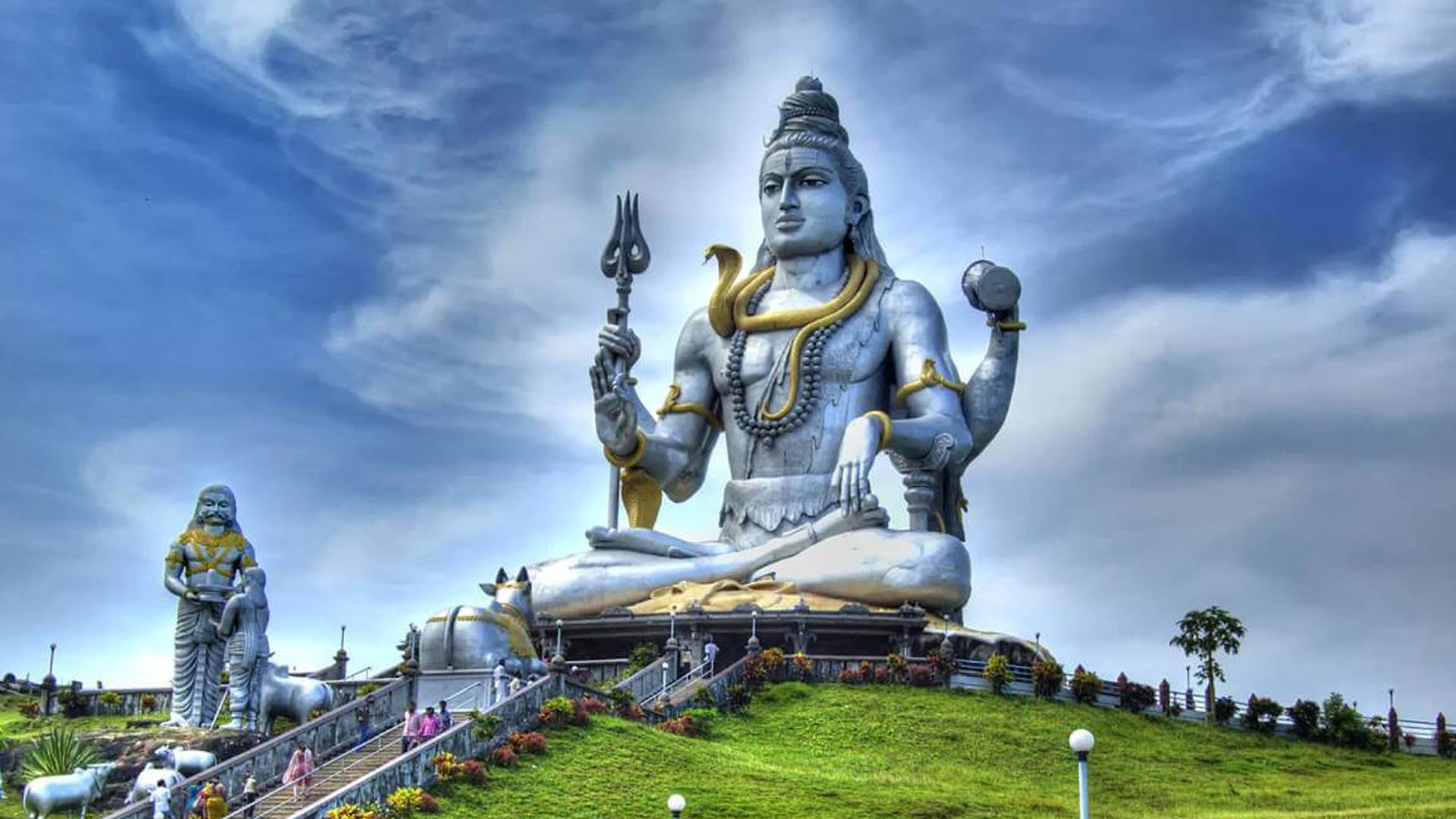
Koteswar Shiva Temple stands on Kotekeshwar Hill at Bardhangidi, on the border of the Sorda and Dharakot blocks in Ganjam district, Odisha. Local belief holds that Lord Rama installed the Shiva linga here during his exile, and the hill’s caves have drawn devotees and sages for centuries.
Key Highlights
- Ancient Shiva temple on Kotekeshwar Hill at Bardhangidi, on the Sorda and Dharakot block border in Ganjam district.
- Local legend says Lord Rama installed the linga here during his exile from Ayodhya.
- Small and large caves dot the hill, where sages are believed to have worshipped Shiva.
- Built in the Kalinga style of Odisha, with a carved shikhara above the sanctum.
- Maha Shivaratri is the main festival; October to March is the best time to visit.
History and Legend of Koteswar Shiva Temple
The history of Koteswar Shiva Temple lives mostly in legend. The story told in nearby villages says Lord Rama stopped here during his exile and installed a Shiva linga. The linga gave the place its name, and the temple grew around it as a Shaivite shrine.
Another account says sages lived on this hill long ago and worshipped Shiva in its caves. Over time, people stopped coming, and the hill filled with dense forest. Later, a Brahmin from the nearby village of Singipur climbed the hill with the temple priest and found many caves with idols of gods inside. The discovery brought devotees back to Koteswar Mahadev.
No firm date exists for the present structure, and claims of a 7th-century origin rest on local accounts rather than records. The site follows the pattern of Odisha’s hill shrines: a sacred forest spot, an epic legend, and a community that keeps it alive.
Architecture of the Temple
Koteswar Shiva Temple follows the Kalinga architecture of Odisha, the style seen in the great temples of Bhubaneswar and Puri. The sanctum carries a shikhara, a tapering tower, above it, and the walls hold carvings of deities, mythological scenes, and floral patterns worked by local craftsmen.
Steps lead up the hill to the temple, past a torana, an ornamental entrance. Inside the sanctum sits the Shiva linga, the focus of worship. The hill frames the temple with thick green cover, winding paths, and clearings that look out over the countryside.
The caves give the site its character. They are spread across the hill in different sizes, and locals worship Shiva in them as Koteshwar. Some are easy to reach from the path, while others need a short scramble, so ask a local guide before exploring them.
Spiritual Significance and Festivals
For devotees of Shiva, Koteswar is a place of quiet power rather than crowds. Worshippers come from the villages of Ganjam through the year, with numbers rising on Mondays and during Shravan, when Shiva temples across Odisha see their heaviest footfall.
Maha Shivaratri is the main festival here. Devotees gather through the night for prayers, offerings, and chanting, and the hill stays lit and busy until dawn. The festival turns the small shrine into a fairground for a day, with stalls, food, and families arriving from Surada and the nearby blocks.
Ganjam district holds a belt of such shrines, and devotees often visit them in one trip. The Balakumari Temple at Koligam, near Chikiti, is one of them, a goddess shrine set on a hill with its own climb and its own festival crowds.
The temple also suits travellers who want a slow, offbeat stop. There are no ticket counters and no queues, only the climb, the caves, and the view.
Best Time to Visit Koteswar Shiva Temple
October to March is the best time to visit Koteswar Shiva Temple. The weather stays pleasant for the climb, and the hill is at its greenest after the monsoon. Mornings are the best time of day, since the steps and the caves are easier in cool air.
The temple is open through the year, and a visit works in any season if you start early. Avoid midday heat between April and June, and carry water, since few shops stand on the hill.
How to Reach Koteswar Shiva Temple
By Air
Biju Patnaik International Airport in Bhubaneswar is the nearest airport. From there, travel by road or rail to Berhampur, the major city of Ganjam district, and continue to Surada, the nearest town to the temple.
By Train
Berhampur railway station is the nearest major railhead, with trains from Bhubaneswar, Kolkata, Chennai, and Hyderabad. From Berhampur, buses and taxis run to Surada, and local transport covers the last stretch to Bardhangidi.
By Road
Surada is the nearest town, and the temple sits near Bardhangidi on the Sorda and Dharakot block border. Buses from Berhampur serve Surada through the day, and a taxi or auto-rickshaw covers the last stretch to the base of the hill.
Nearby Places to Visit
Berhampur works as the base for this part of Ganjam, and its own sights fill a day. The Rock Garden in Berhampur is a landscaped park with lawns and sculptures that suits a relaxed evening after the temple climb.
Tara Tarini Temple, one of the Shakti Peethas of Odisha, stands on a hill near Berhampur and draws large crowds through the year. Its cable car and the view over the Rushikulya river make it the best-known temple in the district.
Gopalpur beach, the old port town of Ganjam, lies a short drive from Berhampur. Its quiet sands, lighthouse, and seafood stalls give the coast a slower pace than the temples inland.
The Bateswar Sea Beach and Temple near Berhampur pairs a beach with a Shiva shrine, so it suits the same kind of traveller who climbs to Koteswar: a short walk, a darshan, and time by the water.
The Rushikulya river meets the sea on this coast, and the river mouth is one of India’s main nesting grounds for Olive Ridley turtles. Between February and March, thousands of turtles come ashore to lay eggs, and the forest department runs protection work through the season.
Ganjam Fort, the old fort of the district, stands as a reminder of the region’s trading past. Its ruins sit close to the coast and pair well with a Gopalpur visit.
For a longer trip in the district, the Jhadeswar Temple at Talarampalli offers another quiet Shiva shrine in a forest setting. It sits in the same belt of hill temples as Koteswar and suits the same kind of slow, offbeat visit.
Travel Tips for Koteswar Shiva Temple
Wear shoes with a good grip. The steps up the hill are uneven in places, and the cave paths can be slippery after rain. Carry water and a small snack, since the hill has few shops.
Start early and allow two to three hours for the climb, the darshan, and the caves. A local guide from Surada or Bardhangidi helps with the cave routes and the legends, and the fee is small. Remove footwear before the sanctum and keep voices low inside.
Berhampur has the nearest ATMs, fuel stations, and places to stay, with hotels at every budget. It is the practical base for a Koteswar trip, and buses and taxis are easy to find at its bus stand.
If you have a spare half day after the climb, the Markandi Sea Beach near Berhampur makes a calm end to the trip, with its fishing village, temple, and open sands.
Koteswar Shiva Temple rewards the climb with a quiet shrine, forest caves, and a view over Ganjam’s green interior. Go early, take the steps slowly, and keep an hour for the caves.
Frequently Asked Questions
Where is Koteswar Shiva Temple located?
Koteswar Shiva Temple stands on Kotekeshwar Hill at Bardhangidi, on the border of the Sorda and Dharakot blocks in Ganjam district, Odisha. Surada is the nearest town, and Berhampur is the nearest major city and railhead. The hill holds caves where locals worship Shiva, and the climb to the shrine takes you through forest paths.
What is the legend of Koteswar Shiva Temple?
Local belief holds that Lord Rama installed the Shiva linga here during his exile. Another account says sages worshipped Shiva in the hill’s caves, and a Brahmin from Singipur village later found the idols there. Both stories give the shrine its sacred standing.
What are the timings of Koteswar Shiva Temple?
The temple is generally open from morning to evening, around 8:00 am to 6:00 pm, and stays open through the year. Timings can shift on festival days, so confirm locally before a Maha Shivaratri visit. Devotees gather in larger numbers on Mondays and during Shravan, when Shiva temples across Odisha see heavy footfall.
What is the best time to visit Koteswar Shiva Temple?
October to March is the best time to visit, when the weather stays pleasant for the climb. Mornings are the best time of day. Avoid the midday heat from April to June, and carry water for the climb. The hill is at its greenest after the monsoon, and the paths are easiest in cool morning air.
How do I reach Koteswar Shiva Temple?
Reach Berhampur by train, then take a bus or taxi to Surada, the nearest town. From Surada, hire a taxi or auto-rickshaw to Bardhangidi and climb the steps to the shrine. Biju Patnaik International Airport in Bhubaneswar is the nearest airport.
What are the nearby places to visit from Koteswar Shiva Temple?
Tara Tarini Temple, Gopalpur beach, Ganjam Fort, and the Rock Garden in Berhampur are the nearest stops. The Jhadeswar Temple at Talarampalli and the Balakumari Temple at Koligam also sit in the same district and suit a longer Ganjam trip.
Weather Koteswar Shiva Temple & Kotekeshwar Hill
[location-weather id="5549"]