

Kalki Temple Jaipur is one of the most unusual shrines in the Pink City, because it is dedicated to a god who has not yet come. Kalki is the tenth and final avatar of Vishnu in Hindu tradition, a horse borne rider prophesied to appear at the close of the present age. The small temple stands in Sireh Deori Bazar, outside the eastern gate of the City Palace, and entry is free.
Key Highlights
- Kalki Temple Jaipur stands in Sireh Deori Bazar, outside the eastern gate of the City Palace, about 0.5 km from Hawa Mahal.
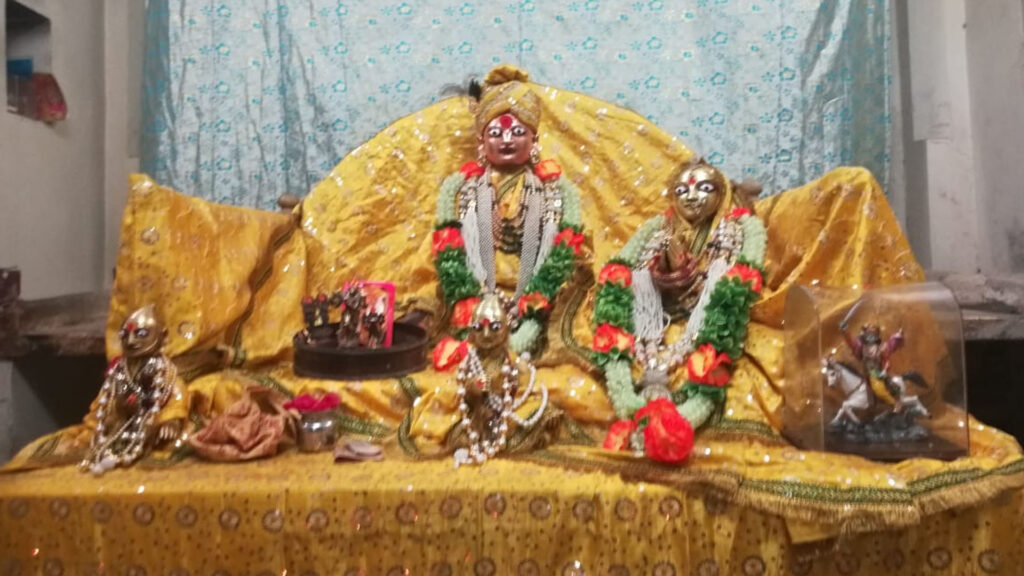
- The temple is dedicated to Kalki, the tenth and final avatar of Vishnu, who in Hindu tradition is yet to appear.
- A life size white marble horse, known as Devdatta, stands in the forecourt as the mount Kalki is said to ride.
- The shrine was built by Sawai Jai Singh II, the founder of Jaipur, and is traditionally dated to around 1739.
- Entry is free, darshan takes 15 to 20 minutes, and the best months are October to March.
Who Is Kalki?
Most temples honour a god who has already walked the earth. Kalki is different. In Hindu scripture, above all in the Srimad Bhagavatam, Kalki is described as the tenth and final avatar of Vishnu, a rider on a white horse who will appear at the end of Kali Yuga, the present age, to end wrongdoing and open the way to a new Sat Yuga.
History of Kalki Temple Jaipur
The temple belongs to the first decades of the planned city. Jaipur was founded in 1727 by Sawai Jai Singh II, the astronomer king who shifted his capital from Amber and laid out the walled city on a grid governed by Hindu cosmology. The Kalki Temple is attributed to Jai Singh himself and is traditionally dated to around 1739, which places it among the city’s oldest shrines. Like the Govind Dev Ji Temple nearby, it belongs to the founding years of Jaipur.
Another account, recorded by the court poet Shree Krishna Bhatt Kalanidhi, says the temple was also built in memory of Jai Singh’s young grandson, Kalki Singh, who died prematurely. The shrine would then carry both religious symbolism and personal meaning for the royal family. The temple has remained in continuous local worship for close to three centuries, maintained today by the Devasthan Vibhag.
The White Marble Horse Devdatta
The detail everyone remembers stands in the forecourt: a life size statue of a horse carved in white marble, its head turned as if listening. In tradition the horse is Devdatta, the mount Kalki is said to ride into the final battle, and here it waits, saddled and eternal, for a rider yet to be born. It is the temple’s most photographed feature.
There is a second story attached to the horse. Historians note that Jai Singh was the last Hindu ruler to have performed the Ashwamedha Yajna, the ancient Vedic horse rite, and some accounts say the marble horse commemorates that event. Others link it to the grandson legend. Either way, the horse is the hinge of the whole temple: without it, Kalki would be an abstract idea. Do not climb on the statue.
Architecture of Kalki Temple
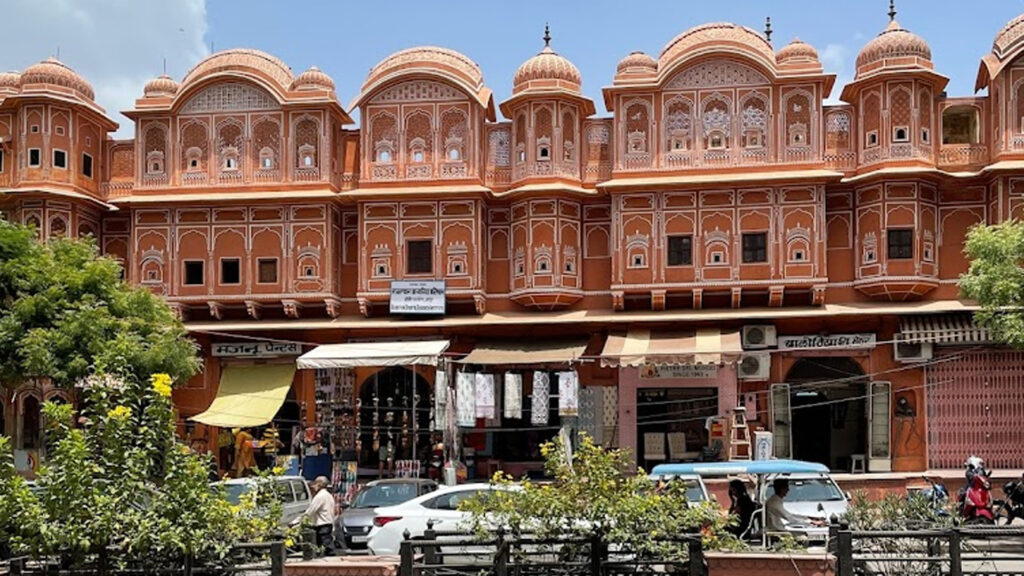
The temple is small and intimate rather than monumental, built of stone in the north Indian temple idiom, with a carved shikhara rising above the bazaar rooftops. You reach it through an arched gateway on the Sireh Deori Bazar road, with ramp like steps leading in. The entrance is known as the Singhdwar, the Lion Gate. Inside, the garbhagriha holds the image of Kalki, and Lakshmi is also enshrined. Jaipur’s older temples share this stone idiom, and the Sun Temple on the hills near Galta uses the same pale stone on a grander scale.
Location and How to Reach Kalki Temple Jaipur
The temple stands in Sireh Deori Bazar, immediately outside the eastern gate of the City Palace, in the old walled city. It is about 0.1 km from the City Palace eastern gate, 0.3 km from Jantar Mantar and 0.5 km from Hawa Mahal, so it slots easily between the big sights.
By Air: Jaipur International Airport is about 13 km away, roughly 35 minutes by cab. From the airport, take a taxi to the City Palace area and walk the last stretch. By Train: Jaipur Junction railway station is about 4 km away, around 15 minutes by auto rickshaw or taxi. By Road: Cars and buses stop at the edge of the walled city; Sindhi Camp, the main bus stand, is a short auto ride away.
Timings and Entry Fee
Entry to Kalki Temple is free, with no ticket. A donation box stands inside for anyone who wishes to contribute. The temple is generally open from roughly 6:00 AM to 8:00 PM, with a midday break, and darshan is busiest around the morning and evening aarti. Timings have changed more than once, so confirm the current hours locally before a special trip.
Best Time to Visit Kalki Temple
October to March is the best season, when Jaipur’s old city is pleasant for walking and the bazaar lanes are at their liveliest. If you are planning a visit in 2026, those months still give the most comfortable darshan and the best light for the marble horse. Early morning is the quietest time, before the City Palace crowds build.
Places to See Nearby
Kalki Temple sits in the densest heritage quarter of Jaipur, so the sights around it need no transport. The City Palace complex is steps away, with its courtyard museums, the silver Gangajali urns and the painted seasonal gates. Jantar Mantar, the stone observatory Jai Singh built, is a five minute walk, and Hawa Mahal is about eight minutes on foot.
The food around the temple is part of the visit. Johari Bazaar’s pure vegetarian sweet houses are a short walk away, including Laxmi Misthan Bhandar, which has served eggless mawa kachori and paneer ghevar since the 18th century. The chai counters of Chaura Rasta pour kulhad masala chai a few lanes over. If you want to extend the temple walk beyond the old city, the ISKCON Temple Jaipur in Mansarovar offers a large, modern Krishna temple with evening kirtan.
Photography of the exterior and the marble horse is generally fine, but check before photographing the main deity. Dress modestly, covering shoulders and knees, and remove footwear before entering the sanctum area.
Two more old Jaipur shrines round out the temple trail. Pataleshwar Temple, a cave shrine dedicated to Shiva, shows a very different style of worship from the bazaar temples of the walled city, with its rock cut setting and quiet, cave like sanctum.
The old city’s lanes repay a slow wander after darshan. Brassware shops, flower sellers and sweet makers line the streets around the temple, and the quarter changes character every few lanes, from jewellery to textiles to temple supplies.
End the walk at the Shri Digamber Jain Temple in the old city, with its carved interiors and quiet courtyards, another short stop that rewards a slow walk through the lanes and a pause away from the bazaar noise.
Travel Tips for Visitors
Come first thing after opening or around the evening aarti. The midday hours are hot and the lane outside is at its busiest with City Palace traffic. Carry sealed bottled water and small notes for prasad, since many small stalls prefer cash or UPI. Do not treat the shrine as a mere photo stop: it is an active place of worship, and the story, a god who has not yet come, is the point of the visit.
Frequently Asked Questions
Who is Kalki, and why is this temple unusual?
Kalki is described in Hindu tradition as the tenth and final avatar of Vishnu, a rider prophesied to appear at the end of the present age. This is one of very few temples anywhere dedicated to an avatar who, by belief, has not yet come, which makes it a genuine curiosity in Jaipur.
When was Kalki Temple built and by whom?
It was built by Sawai Jai Singh II, the founder of Jaipur, in the 18th century, and is traditionally dated to around 1739, in the early decades of the planned city. Some references say construction began in 1727, the year Jaipur was founded, so the two dates reflect the same founding era.
What is the white marble horse at Kalki Temple?
It is a life size statue of a horse, known in tradition as Devdatta, the mount Kalki is said to ride. It stands in the forecourt as if waiting for its rider, and it is the temple’s most photographed feature. Some accounts also link it to the Ashwamedha Yajna performed by Sawai Jai Singh II.
Is there an entry fee at Kalki Temple Jaipur?
No, entry is free and there is no ticket. A donation box stands inside for anyone who wishes to contribute. There is no camera fee for ordinary phone photography, though you should check before photographing the main deity in the sanctum.
What are the timings of Kalki Temple Jaipur?
The temple is generally open from roughly 6:00 AM to 8:00 PM, with a midday break, and darshan is busiest around the morning and evening aarti. Timings have changed more than once in recent years, so confirm the current hours locally before a special trip.
How much time do I need at Kalki Temple?
About 15 to 20 minutes is plenty. The temple is small and intimate, so most visitors combine it with the adjacent City Palace, Jantar Mantar and Hawa Mahal rather than making a separate trip. A ten minute stop covers the legend, the marble horse and darshan.
Visit Kalki Temple on your way between the City Palace and Hawa Mahal, when the bazaar is still waking up and the marble horse catches the morning light. Ten thoughtful minutes here will stay with you longer than another hour at a crowded monument.
Weather Kalki Temple
[location-weather id="5549"]