

Ladakh sits high in the Himalayas, a cold desert of passes, lakes and monasteries that feels unlike any other part of India. Facts About Leh Ladakh start with scale: the region covers 59,146 sq km, making it India’s largest Union Territory by area, and Leh town itself sits at about 3,500 m. This guide pulls together the history, geography, food and travel facts that matter before you go.
Key Highlights
- Ladakh covers 59,146 sq km and became a Union Territory on 31 October 2019.
- Umling La, at 5,799 m, is the highest motorable road on Earth, certified by Guinness World Records.
- Pangong Tso stretches 134 km at about 4,350 m, with about one-third of it in India.
- Hemis National Park, about 4,400 sq km, shelters around 200 snow leopards.
- June to September is the best time to visit, when the high passes stay open.
Geography
Ladakh lies between the Himalayas and the Karakoram, with the Ladakh and Zanskar ranges in between. It borders Pakistan to the west and China to the east, and its districts are Leh and Kargil.
The name means “Land of High Passes”: La means pass and Dak means many. The Indus runs about 440 km through Ladakh. Leh Ladakh tourism rests on this stark ground, a cold desert with very little rain.
A Short History
People have lived in Ladakh since Neolithic times, and rock carvings from that early period still survive in the valleys. Buddhism reached the region in about the 2nd century AD, and Nyimagon founded the first organised kingdom in the 10th century.
The Namgyal dynasty ruled from the 15th century, and Sengge Namgyal, who reigned from 1616 to 1642, built Leh Palace. Ladakh fell to Dogra general Zorawar Singh in 1834, joined India in 1947, and became a separate Union Territory on 31 October 2019.
Monasteries and Living Faith
Ladakh has more than 200 Buddhist monasteries, and they still anchor daily life in Leh district, which is mostly Buddhist, while Kargil district is mostly Muslim. Hemis Gompa, founded in the 1630s, is the largest monastery in Ladakh.
Lamayuru Monastery dates to about the 10th century, and Alchi Monastery is known for 11th-century murals. Monks still chant at dawn in these halls, and visitors are welcome to sit quietly at the back.
Lakes That Change Colour
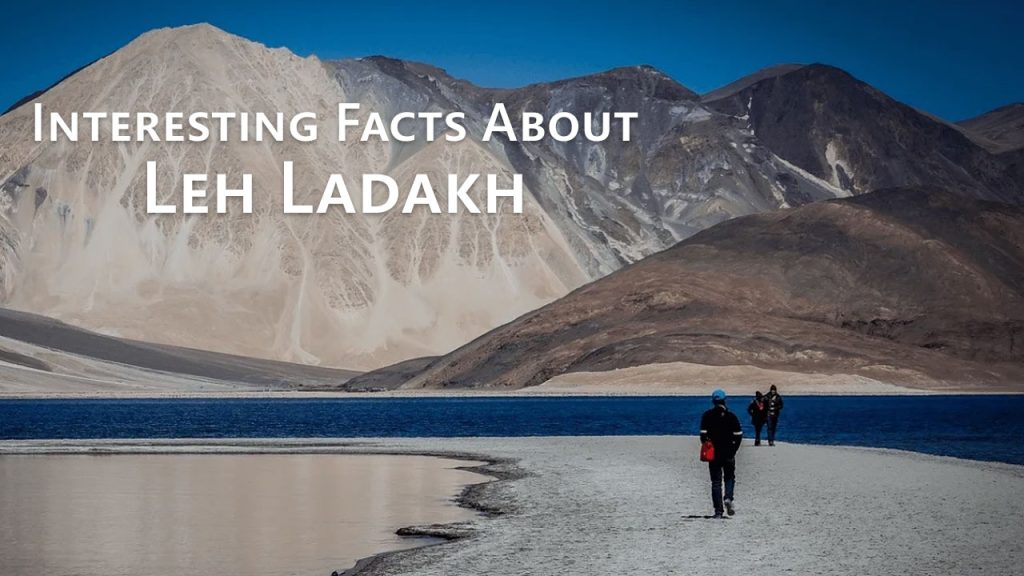
Pangong Tso sits at about 4,350 m and runs 134 km long, with roughly one-third in India and two-thirds in Tibet. Its brackish water shifts from blue to green to grey as the light changes. Tso Moriri, at about 4,522 m, is smaller and quieter.
Passes and Roads
Khardung La, at about 5,359 m, connects Leh to Nubra Valley and is one of the world’s highest motorable passes. It is often called the highest, but that title is wrong: Umling La, at 5,799 m, is the highest motorable road on Earth, certified by Guinness World Records.
Chang La, at about 5,360 m, guards the road to Pangong Tso, and Taglang La, at about 5,328 m, sits on the Manali-Leh highway. Pass heights vary between sources.
Magnetic Hill
Magnetic Hill, on the Leh-Kargil highway, looks like a place where cars roll uphill on their own when parked with the engine off. The effect is an optical illusion created by the slope of the surrounding land, not magnetism.
Wildlife and the Night Sky
Hemis National Park covers about 4,400 sq km and is India’s largest national park. Around 200 snow leopards live there, along with blue sheep, Himalayan marmots and the Tibetan wild ass, called kiang.
Hanle is home to India’s first Dark Sky Reserve and the Indian Astronomical Observatory, which sits at about 4,500 m. The dry air and the lack of light pollution make it one of the clearest places in India to watch the Milky Way.
Food and Festivals
Ladakhi food is built for cold weather. Thukpa, a noodle soup, and skyu, a dough-and-vegetable stew, are the everyday staples, while momos are served steamed or fried in most Leh restaurants. Tsampa, roasted barley flour, is mixed with butter tea, called po cha.
The Hemis Festival, held in late June or early July at Hemis Monastery, 45 km from Leh, is the best-known event. Losar, the Ladakhi New Year, falls in December or January, the Ladakh Festival fills Leh in September, and Dosmoche is held in February.
Adventure in Ladakh
The Markha Valley Trek takes five to seven days, and the Chadar Trek crosses the frozen Zanskar River in January and February. Stok Kangri, at 6,153 m, is a popular first 6,000 m peak. Trekkers who want more Himalayan routes after Ladakh often look to Uttarakhand tourism for trails that run at lower altitudes.
Nubra Valley, at about 3,048 to 3,150 m, offers a different landscape: sand dunes at Hunder, where double-humped Bactrian camels carry visitors across the desert. The valley sits beyond Khardung La, so most travellers spend at least one night there.
How to Reach Leh Ladakh
By Air
Kushok Bakula Rimpochee Airport in Leh, at 3,256 m, is India’s highest commercial airport. Direct flights run from Delhi in about one to one and a half hours, with other direct flights from Mumbai, Chandigarh, Srinagar and Jammu.
By Train
Ladakh has no railway line of its own. The nearest major station is Jammu Tawi, about 700 km from Leh by road, so a train journey means a long road trip after it. Most travellers skip the train and fly to Leh.
By Road
The Manali-Leh highway (NH-3) runs about 490 km and takes two to three days, and it stays open from about mid-May to late October. The Srinagar-Leh highway (NH-1) runs about 422 km over two days and opens in late May. The Manali-Leh highway starts in Himachal Pradesh, so many travellers combine the drive with Himachal Pradesh tourism stops around Manali.
Best Time to Visit Leh Ladakh
In 2026, June to September is still the safest bet for a first trip. The roads are open, daytime temperatures in Leh run about 15 to 25°C, and the lakes and passes are all reachable. September is prized for clear skies and golden light.
November to February suits a different kind of traveller. The Chadar Trek runs in January and February, snow leopard sightings peak in the same months, and Losar brings the New Year festivals. Roads close and flights become the only way in.
March and April bring apricot blossom to the lower valleys, and the crowds are still thin. Travellers who cannot travel in summer can pick a lower-altitude Himalayan break instead, and Shimla tourism works well for a first mountain trip before attempting Ladakh.
Permits and Practical Rules
Indian travellers no longer use the old inner line permit system for Nubra, Pangong, Tso Moriri and Hanle. Indians now pay the Ladakh environment fee online instead, and foreign visitors need a Protected Area Permit. Check the current fee on the official LAHDC Leh permit portal, lahdclehpermit.in, before travelling.
Travel Tips and Acclimatisation
Rest for 24 to 48 hours in Leh before heading to higher places such as Nubra or Pangong Tso. Altitude sickness can affect fit travellers too, so keep the first day light, drink plenty of water, skip alcohol on arrival, and see a doctor in Leh if a headache or breathlessness does not ease.
Conclusion
Go in June to September for your first trip, give yourself a full day to acclimatise in Leh, and then cross Khardung La to Nubra and spend a night beside Pangong Tso. Start by checking the permit portal and booking your Leh stay.
Frequently Asked Questions
What is the best time to visit Leh Ladakh?
June to September is the best time to visit Leh Ladakh for most travellers. The roads from Manali and Srinagar are open, daytime temperatures in Leh run about 15 to 25°C, and the lakes and passes are all reachable. September is often the finest month.
Do Indian travellers need a permit for Leh Ladakh?
Indian travellers do not need the old inner line permit, but they do need to pay the Ladakh environment fee online. The fee is paid through the official LAHDC Leh permit portal, lahdclehpermit.in, and foreign visitors need a Protected Area Permit instead. Check the portal before travelling, because the rules can change.
Is Khardung La the highest motorable pass in the world?
No, Khardung La is not the highest motorable pass in the world. Khardung La sits at about 5,359 m and is one of the highest motorable passes, but Umling La, at 5,799 m, is the highest motorable road on Earth, certified by Guinness World Records. Pass heights vary between sources.
How many days do you need in Leh Ladakh?
Most travellers need at least five to six days in Leh Ladakh. Spend the first day resting in Leh to acclimatise, then allow two days around Leh and its monasteries, one night in Nubra Valley and one night at Pangong Tso. Rushing the trip raises the risk of altitude sickness.
Is Leh Ladakh safe for first-time visitors?
Yes, Leh Ladakh is safe for most healthy first-time visitors who take altitude seriously. Rest for 24 to 48 hours in Leh, drink plenty of water, avoid heavy exertion on the first day, and seek medical help if a headache or breathlessness does not ease.
When do the roads to Leh open each year?
The Manali-Leh highway usually opens in mid-May and closes in late October, while the Srinagar-Leh highway usually opens in late May. Opening dates shift with snowfall each year, so check the current road status a few days before travelling. Flights to Leh run all year.
Weather
[location-weather id="5549"]