
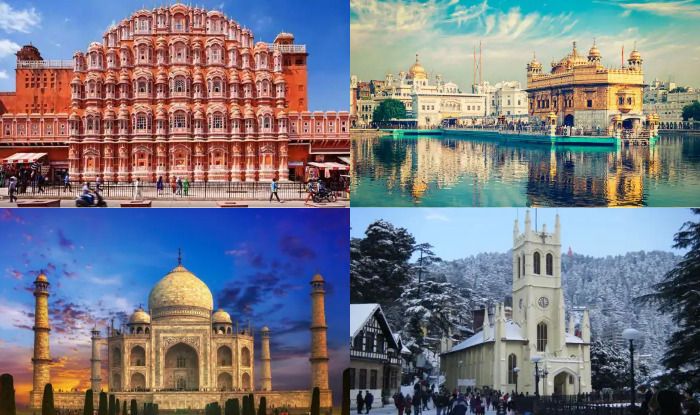
If you want a sense of how big travel in the subcontinent has become, a few India tourism facts tell the story better than any brochure. Nearly ten million foreign tourists arrived in 2024, the average overseas visitor stayed more than two weeks, and the country’s World Heritage count touched 45. This guide brings the key numbers, records and practical notes together in one place.
Key Highlights
- 9.95 million foreign tourist arrivals in 2024; India ranked 20th in the world, up 14.85% over 2019 (Ministry of Tourism).
- Average foreign tourist stay of 17 to 18 days, the longest anywhere in the world and more than double the average elsewhere.
- Record international visitor spending of INR 3.1 lakh crore in 2024; the sector supports about 46.5 million jobs.
- 45 UNESCO World Heritage Sites after Sarnath’s inscription in 2026; sixth worldwide, second in the Asia-Pacific.
- The Taj Mahal draws roughly 6 million visitors a year; Goa’s beaches receive about 8 million visitors.
How Many Tourists Visit India
The Ministry of Tourism tracks two headline numbers, and the difference matters. Foreign tourist arrivals (FTAs), which count foreign nationals, reached 9.95 million in 2024. International tourist arrivals (ITAs), which add in non-resident Indians visiting family and friends, touched 20.57 million, up 14.85% over 2019. Together they placed India 20th globally, or roughly 25,000 foreign arrivals a day.
Domestic travel runs on a different scale. Indians made close to 2.5 billion tourist visits within the country in 2023, which is why hill stations and temple towns fill up on every long weekend. Domestic travel spending of roughly US$180 billion in 2024 stood about 22% above 2019, and the sector contributes close to US$245 billion to the economy (WTTC).
The Most Visited Attractions in India
The Taj Mahal in Agra remains the single most-visited paid monument in India, with roughly 6 million ticketed visitors a year. Most travellers plan the trip around sunrise at the west gate, when the crowds are thinnest. Our Taj Mahal tour guide covers ticket types, gate timings and the best viewpoints.
Behind it sits a strong second tier. The Golden Temple in Amritsar draws about 5 million visitors a year, Jaipur’s City Palace around 3 million and Mumbai’s Gateway of India close to 2.5 million. In Delhi, the Qutub Minar (about 2.4 million) and the Red Fort (about 2.2 million) lead, while Varanasi’s ghats receive roughly 2 million visitors who come for the evening Ganga aarti as much as for the temples.
Down south, Hyderabad’s Charminar takes about 1.8 million visitors and Madurai’s Meenakshi Temple about 1.6 million. Beaches belong in the same table: Goa alone absorbs around 8 million domestic and foreign visitors a year, a tourism economy of shacks, flea markets and ferry rides in its own right.
Where Visitors Come From
The United States is India’s biggest source of foreign tourists at roughly 1.7 million arrivals a year, about 18% of the total. Bangladesh follows at around 1.4 million, driven by medical travel and family visits, and the United Kingdom is third at close to 970,000.
Most-visited cities follow the arrivals. Delhi takes about 10 million visitors, Mumbai about 8.5 million, Goa about 8 million and Agra about 6.3 million. Jaipur, with roughly 5.9 million, anchors the Rajasthan circuit, and our facts guide to Jaipur covers its palaces and food stops in one read.
India’s UNESCO List Stands at 45
On 25 July 2026, the Ancient Buddhist Site of Sarnath, near Varanasi, was inscribed on the UNESCO World Heritage List, making it India’s 45th property (UNESCO.org). India now ranks sixth in the world and second in the Asia-Pacific. That count leaves most older travel pages out of date; many still say 32 or 38.
The addition before it was the Maratha Military Landscapes of India, inscribed in July 2025: twelve forts across Maharashtra and Tamil Nadu, from Raigad to Gingee, recognised as one serial property.
The list spans the full arc of Indian history, from Ajanta and Ellora to the living Chola temples and the mountain railways. In Odisha, the 13th-century Sun Temple at Konark is the state’s best-known entry, and our Konark Sun Temple visitor guide covers its chariot-wheel carvings and the on-site museum.
Best Time to Visit India
October to March is the peak season across most of the country, with comfortable days from Delhi to Chennai and Rajasthan’s desert festivals in full swing. April to June is hot and relatively quiet, a fair trade for lower hotel rates. July to September brings the monsoon and the lowest prices of the year.
The mountains follow a different calendar. The Himalayan valleys and Ladakh are at their best from April to September, when the high passes open, and winter brings migratory birds to Bharatpur’s Keoladeo National Park.
The coasts peak with winter. Goa and Kerala run October to March, and Kerala’s backwaters look their best just after the monsoon, from September onward. For a quieter shoreline than the north Goan party belt, Palolem Beach in Goa offers calm water and a crescent of sand that suits families and slow mornings.
Events and Festivals That Move the Calendar
Few countries schedule travel around festivals the way India does. The Kumbh Mela, held in rotation at Prayagraj, Haridwar, Nashik and Ujjain, is the largest religious gathering on earth, drawing tens of millions of pilgrims plus roughly 300,000 foreign visitors at recent editions. Holi pulls about 2 million travellers into Mathura, Vrindavan and Jaipur each spring, and the Pushkar Camel Fair brings around 400,000 to Rajasthan each November.
Winter adds the Rann Utsav in Kutch (about 250,000 visitors), the Jaipur Literature Festival (about 200,000) and the International Film Festival of India in Goa (about 150,000). Two dates worth marking: National Tourism Day on 25 January, and the International Day of Yoga on 21 June, which India proposed at the UN.
In the south, Onam turns Kerala into a state-wide celebration in August and September, with the Nehru Trophy snake-boat race as its sporting centrepiece. Winter is also the season to see the backwaters properly, and our Kerala backwaters guide compares the Alleppey and Kumarakom houseboat routes.
Record-Breaking Facts You Can Quote
The Statue of Unity in Gujarat, at 182 metres, is the tallest statue in the world, and the Chenab Bridge in Jammu and Kashmir, at 359 metres above the river, is the world’s highest rail bridge. Indian Railways runs over 67,000 km of track and carries more than 23 million passengers a day, one of the largest rail networks on the planet.
Barren Island in the Andamans is India’s only active volcano, erupting intermittently since 1991. The world’s highest cricket ground sits at Chail in Himachal Pradesh at 2,444 metres, built in 1893. India recognises 22 official languages, offers e-Visa entry to travellers from more than 160 countries, ranks among the world’s top five medical-tourism destinations, and is the birthplace of yoga.
Practical Tips for First-Time Visitors
Apply for the e-Visa before you fly; it covers most nationalities and skips the embassy queue. Book trains through the official IRCTC site early, since routes like Delhi-Agra and Mumbai-Goa sell out weeks ahead in season. Carry cash for small towns and street markets, where bargaining is expected. Drink bottled or filtered water, eat where the crowd is local, and keep buffer days: Delhi to Agra is about 230 km, and Delhi to Jaipur about 280 km.
Frequently Asked Questions
How many foreign tourists visit India each year?
India received 9.95 million foreign tourist arrivals in 2024, according to the Ministry of Tourism. Counting non-resident Indians as well, international arrivals touched 20.57 million, up 14.85% over 2019. Domestic travel is far larger, with close to 2.5 billion domestic visits in 2023.
Which country sends the most tourists to India?
The United States is the top source country, sending roughly 1.7 million visitors a year, about 18% of all foreign arrivals. Bangladesh follows with around 1.4 million, driven by medical travel and family visits, and the United Kingdom is third at close to 970,000.
What is the most visited tourist attraction in India?
The Taj Mahal in Agra is the most-visited paid monument, drawing roughly 6 million ticketed visitors a year. The Golden Temple in Amritsar follows at about 5 million, and Jaipur’s City Palace at around 3 million. Goa’s beaches host about 8 million visitors annually.
How many UNESCO World Heritage Sites does India have?
India has 45 UNESCO World Heritage Sites, after the Ancient Buddhist Site of Sarnath was inscribed in 2026. That places India sixth in the world and second in the Asia-Pacific. The previous addition was the Maratha Military Landscapes of India, inscribed in 2025.
What is the best time to visit India?
October to March is the best time for most of India, with pleasant weather across the plains, deserts and coasts. The Himalayas and Ladakh are best from April to September, while Kerala and Goa peak between October and March every year.
How long do foreign tourists usually stay in India?
Foreign tourists stay an average of 17 to 18 days in India, the longest average stay of any major tourism country, at more than double the norm elsewhere. The long stays reflect the country’s size and the popularity of slow circuits like Rajasthan and Kerala.
If this is your first trip, do not try to cover the country in one go. Pick two anchors: Agra and the Taj Mahal for the monument side, plus one slower region such as Kerala or the Rajasthan desert circuit. Next, read our Taj Mahal tour guide to pick your ticket type and sunrise slot before you lock your dates.
Weather
[location-weather id="5549"]