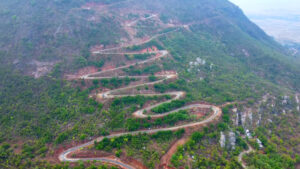
Dambarugad Hill Station is an unspoiled treasure in Odisha, rising majestically in the center of Boudh district. This hill destination, also known as Dambarugarh, provides travelers with an incredible combination of scenic beauty, history, and spirituality. Approximately 20 kilometers from Boudh town along Balangir road near Sagrangpur village, it has a unique curved profile that fascinates travelers from every angle.
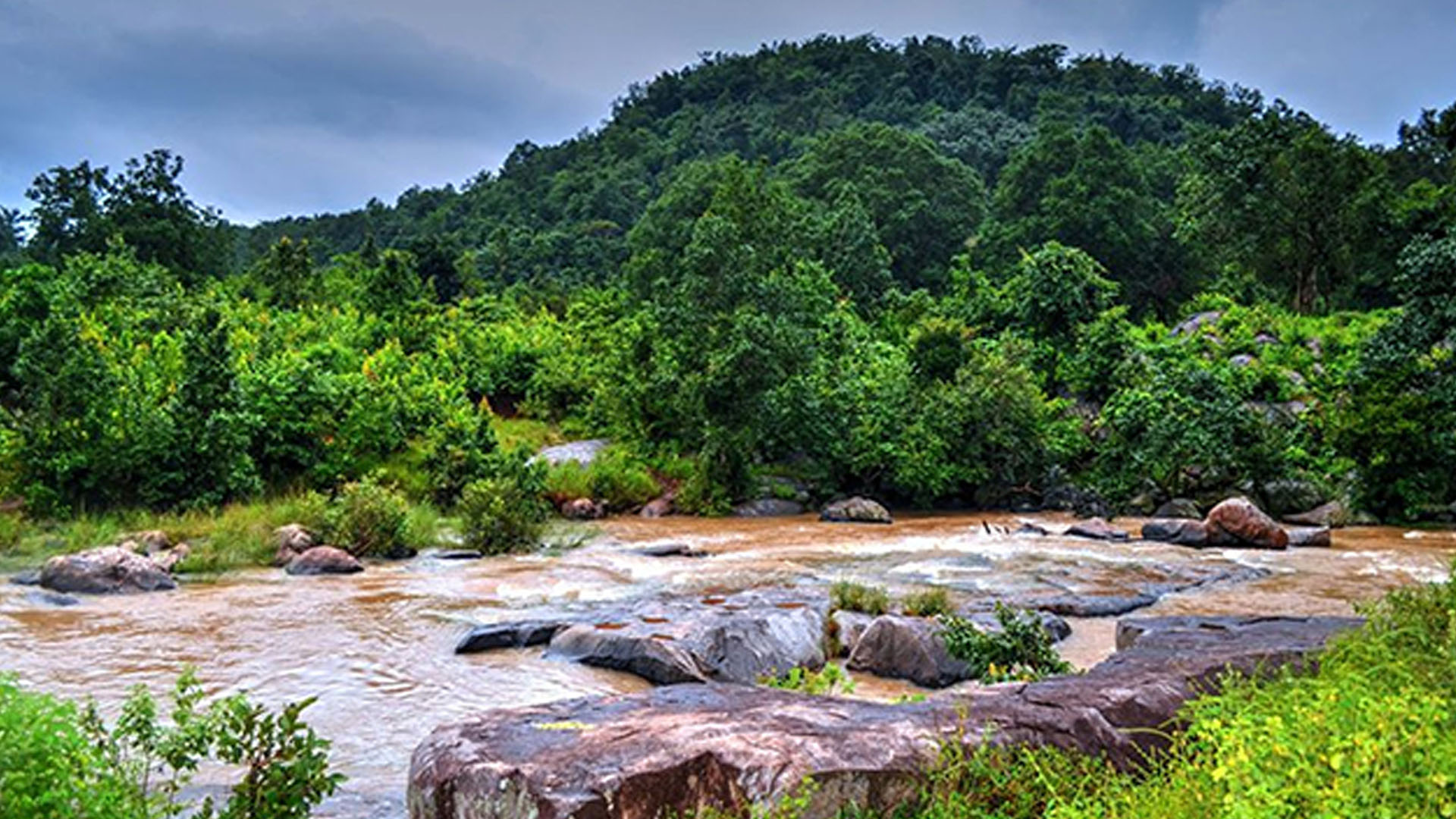
Dambarugada’s accessible location lends itself to its unspoiled beauty. Dambarugada is a destination attracting adventure walkers, trekkers, nature lovers, and history tourists to the region – a destination that truly deserves to be discovered and appreciated. The surrounding region showcases all the natural beauty of Odisha and its rich rural aesthetics; lush green valleys, rocky boulders, and views of the vast distance, i.e, as far as one’s eye can see. Dambarugada Hill is the perfect escape from the chaos of city life, allowing an exhilarating sensation to soak up nature.

What sets this destination apart is the offering of historical, archaeological and geographic, and natural features – a destination can play an important role in offering a complex travel experience in such a broad outlook – it is these broad classifications that can attract different tours and tourists!!
Key Features:
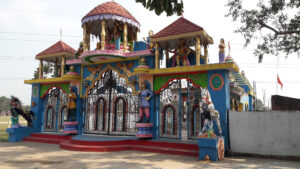
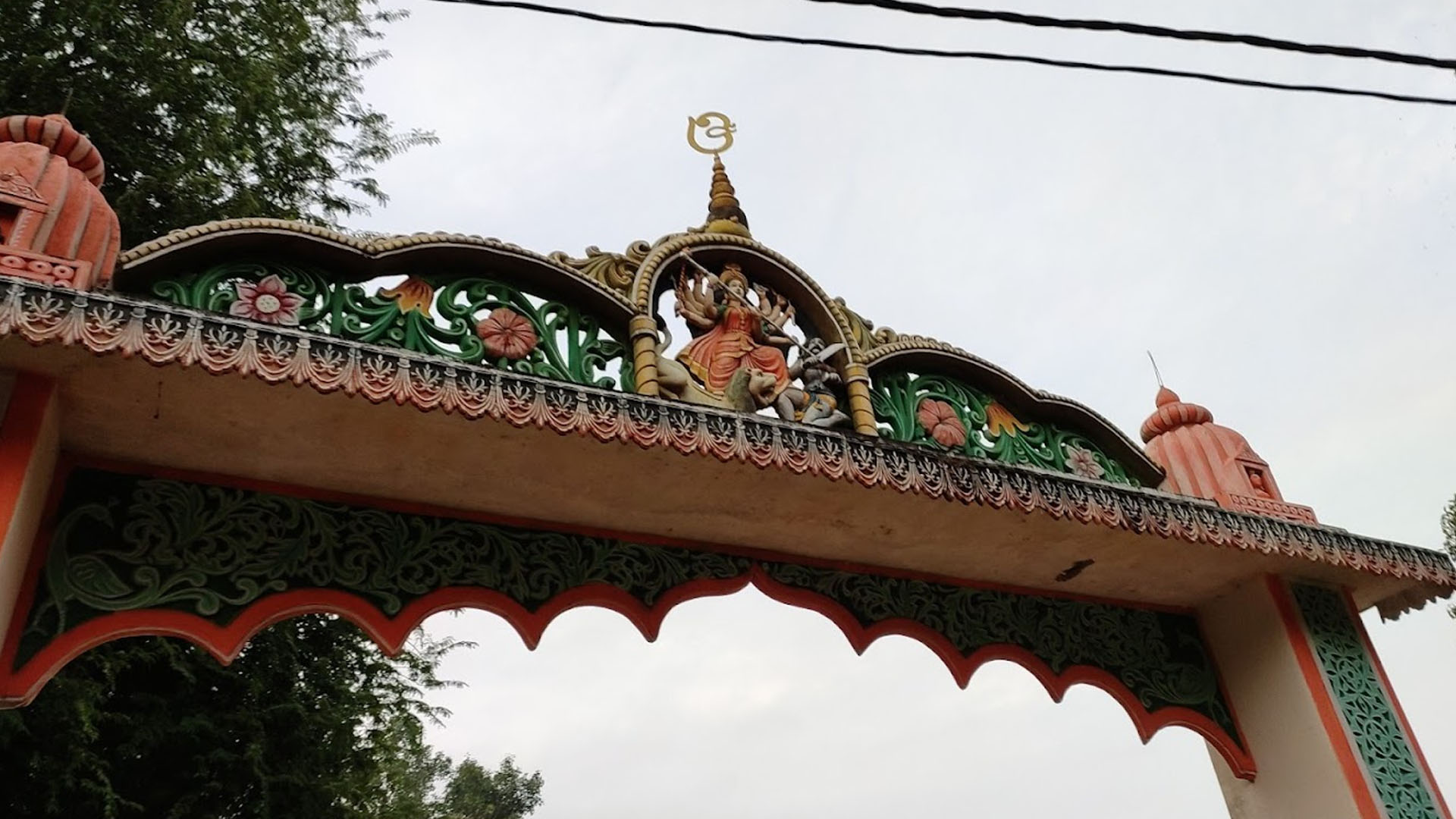
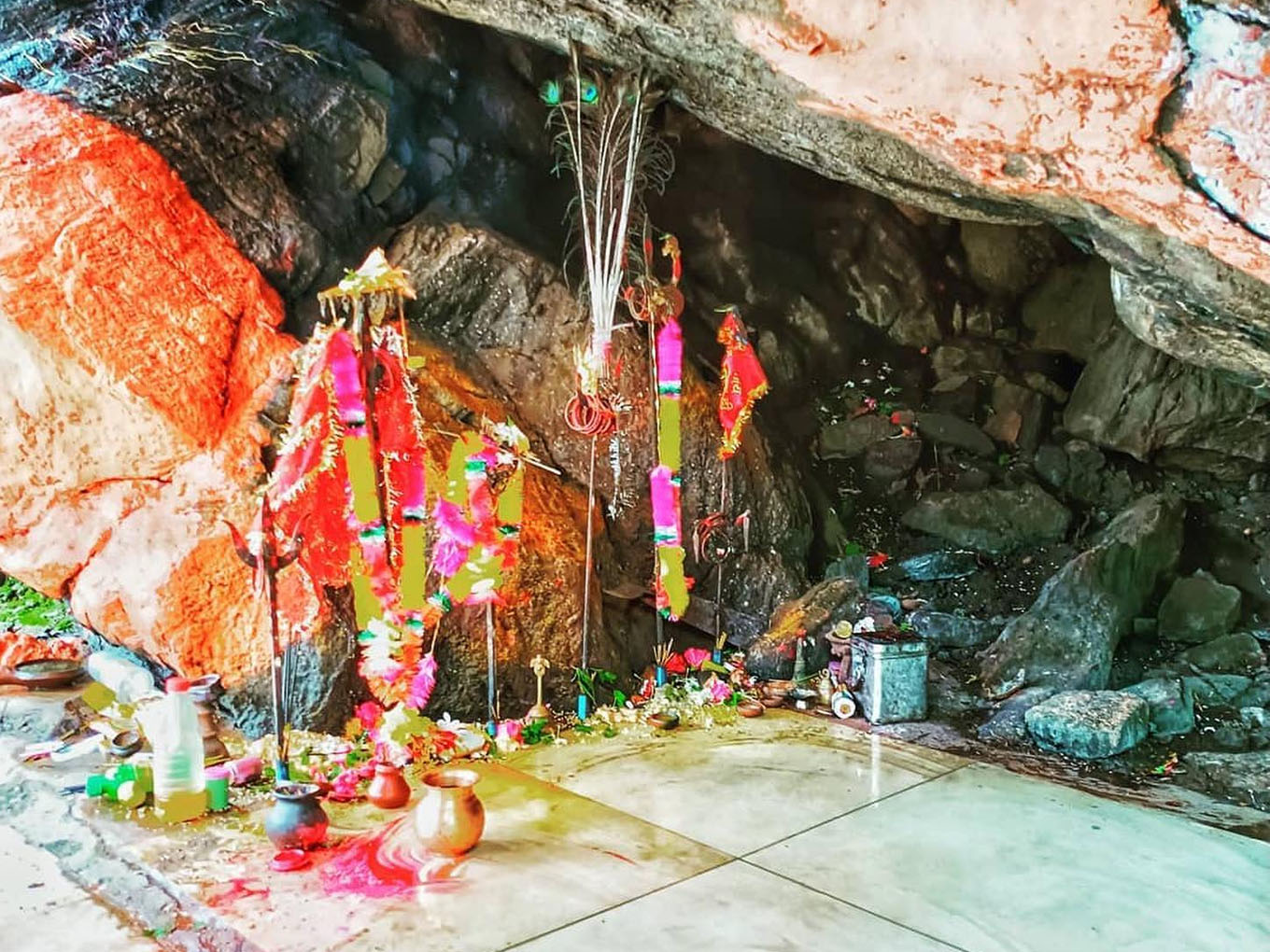
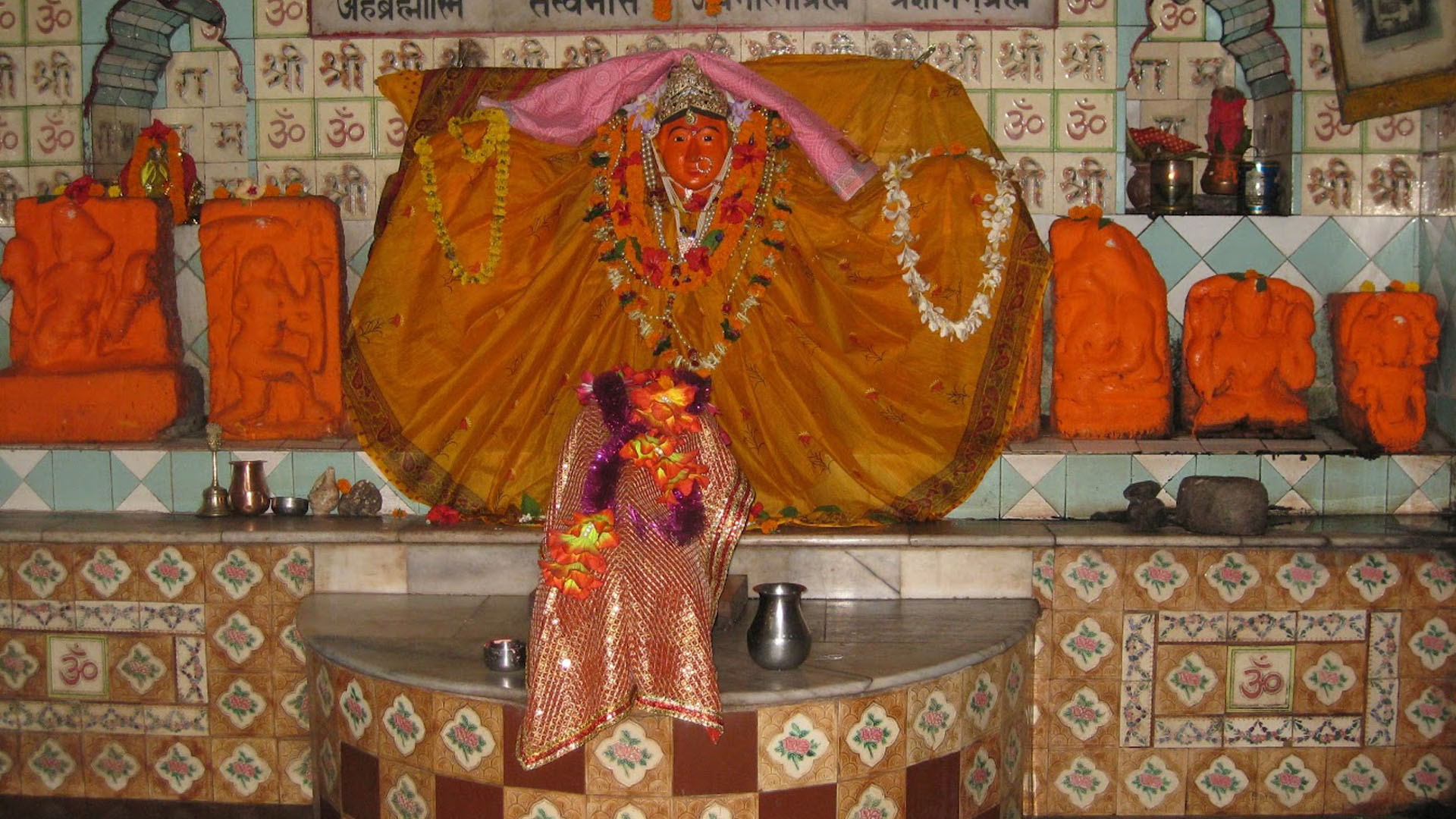
- Temple: The largest structure at the site is the temple dedicated to Chaitanya Deva, with RadhaKrishna as deities.
- Religious Significance: Dambarugada is part of the Vajrayana branch of Buddhism and is considered a holy site.
- Picnic Spot: The mountain is a popular picnic spot with beautiful views and a calm setting.
- Location: It is located on the Bolangir road (NH 57), 20 km from the town of Boudh.
- Natural Beauty: The presence of the Mahanadi river, along with the mountain’s unique curved shape, enhances its charm.
Historical Significance and Buddhist Heritage
One cannot overstate the historical significance of Dambarugada Mountain, which forms an important chapter in the extensive Buddhist history of Odisha. Archaeology points to this mountain as an important Buddhist learning and practice site, containing much in terms of relics and monuments that point back to the Buddhist era.
The Archaeological Survey of India has protected or sometimes listed as lovely pilgrimage sites some of the most important sites in this location, pointing back in time.
Ancient Buddhist monasteries and stupas sprinkled throughout this mountainous place are mute reminders of the centuries past of religious devotion and scholarship. The artifacts as a whole tell the story of the monks who once considered themselves practitioners of meditation in these sacred mountains, and who helped facilitate the spread of Buddhism in eastern India. Carvings and other workmanship show a meticulous skill and artistry of the building and stone-carving craftsmen of the day who created these skilled designs and structures.
Scholars and modern archaeologists still conduct studies on the remarkable sites of what was once an important Buddhist civilization in this area. The site not only functioned as a center for religious practice, but it was also an important site for commerce, learning, cultural interchange, and reform of religious practices. Visitors to the present can explore and sometimes actively learn about these sites, which allows connections across time and space, connecting the ancient past to the present day and into the future.
Natural Beauty and Geographical Features
Dambarugada Mountain’s natural beauty creates an impressive landscape that demonstrates Odisha’s terrain diversity. The mountain’s unique curved shape, noticed from any angle, offers a bold outline that is attractive, safe for photography, and hobby-related activities. This beautiful geological formation represents ancient rock formations created by natural elements over many years that provide a look into Earth’s geological past through various patterns and formations, such as having no shape or form.
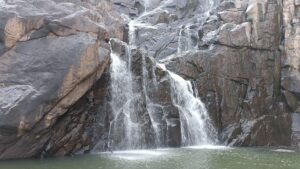
One of the most captivating features is the Mahanadi River that meanders gently down from the mountain, where at some points creates a spectacular flowing cascade of water that adds interesting and pleasant features to the natural settings of the area. The sound of the flowing water, together with the comforting peacefulness of the mountain, establishes an ideal environment for meditation and tranquillity. The river creates small pools and waterfalls where the flowing water makes excellent sites for photographing and discovering nature.
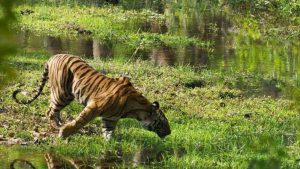
The main ecosystem surrounding Dambarugada exhibits incredible biodiversity, where many native plant species create a lush green canopy along with many color changes representing the seasonal variations. Wildlife enthusiasts can observe a considerable number of bird species, butterflies, and small mammals that inhabit this splendid mountain. The higher elevation provides for cooler temperatures, fresh mountain air, and natural waterfalls, where one can find refreshing moments away from the
Tourist Attractions and Activities
Dambarugada Mountain has a wide range of attractions and activities that appeal to many interests and levels of adventure. A major highlight for many visitors is the ancient Buddhist archaeological sites, where intact ruins provide rare glimpses into the spiritual history of the region. In the ruinous sites, you will find excellent opportunities for historical investigation and capturing photographs. The displays assist visitors in understanding the significance of the buildings and how the structures are layered on each other to form the remnants of a civilization that once spanned the region.
Adventure opportunities are plentiful as well. There are miles of marked hiking and trekking trails all over the mountain, offering mountain vistas and hidden valleys as destinations. The different terrains provided various options from beginner to experienced hiker, where there were easy to moderate walks to panoramic viewpoints. The mountain’s geological features also appeal to rock climbers, with shelf faces of different sizes, shapes, and relief anticipating routes for climbers of different skill levels.
The appeal of nature photography is also a popular activity facilitated by endless subject matter from ancient architecture, nature’s landscapes, wildlife, and different dramatic perspectives at sunrise or sunset. The light, shadow, and geological rock forms create phenomenal opportunities for photography throughout the day’s various light conditions. Bird watching can also be especially rewarding during the early morning hours when many species are freshly alive. If others find moments of quiet, peace, and warmth in nature, Dambarugada Mountain makes for a perfect spot for meditation and yoga retreats.
How to Reach Dambarugad Hill Station in Odisha
Traveling to Dambarugada Mountain is a relatively easy process, with many other ways of transportation options available from most cities in Odisha. The mountain is 23 km from Boudh town and has access to major roads in urban centres, including Bhubaneswar, Phulbani, and Sambalpur. The roads are in good condition, so trips, whether moving in a private vehicle or public transport, are relatively straightforward for any traveler.
From Bhubaneswar, the state capital, the route taken is via National Highway and is approximately 180 km, which in a car takes between 4-5 hours. The countryside is healthy and attractive, and frequent views of traditional villages, agricultural land, and small towns and all part of the trip, make it all exciting. There is also a bus service that connects Boudh to major cities, offering decent options for budget-conscious travelers on public transport.
The nearest railway station is also located in Boudh, where the Indian Railways connects Boudh to major cities. From the railway station, local transport options including auto-rickshaws, taxis, and buses can get travelers to the mountain base. For travelers who prefer to travel by plane, the nearest airport is Biju Patnaik International Airport in Bhubaneswar, and ground transportation can be arranged from there. Local tour operators also provide a package-type deal – transportation, accommodation, and tour guide, and this is probably easiest for “first-time” visitors and future guide guests.”
Best Time to Visit and Travel Tips
The best time to visit Dambarugada Mountain is during the post-monsoon or winter months, from October to March, due to satisfactory weather for outdoor activities. The weather is mild and outdoor activities such as hiking are very pleasant during this period due to moderate temperatures between 15°C and 25°C. Although the monsoon season is very beautiful due to the lush green color of the landscape, most tourists continue to avoid this season due to the slippery and muddy trail conditions during this time.
During the winter months, you will most likely see the clearest skies and visibility for photography and sightseeing. The cool, crisp air also helps to enhance the colors of the mountains and the sky. The post-monsoon time is particularly enchanting as the vegetation is at its greenest and the nearby lakes and rivers are replenished with more water, indicating a colorful and vibrant scene.
Inevitably, the and especially the summer months can get quite unbearable and hot from May to September with temperatures soaring above 35°C. It can be uncomfortable outdoors during the middle of the day.
General travel tips: drink lots of water, wear shoes that are appropriate for the hiking conditions, and wear items to protect yourself from the sun, e.g., hats, sunscreen, etc. For hiking activities, bringing along a basic first aid kit is also a good idea. Insect repellent is also a good idea if you are going to be outdoors. For photography lessons, it is highly suggested to plan visits for early morning or late afternoon to encounter the best lighting. Always check weather conditions beforehand.
Accommodation and Local Facilities
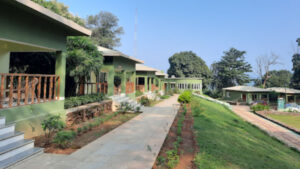
While Dambarugada Mountain is mainly a day visit, the town of Boudh has many guest houses with different price ranges, to sit down after a long day on the mountain. In the Dambargarh Nature Camp, visitors can stay surrounded by nature in a clean and basic, but hospitable, environment. Just below the park are several government rest houses and inspection bungalows, which are bookable, along with other cheap accommodations.
In a government rest house, you could expect basic but clean overnight accommodations, with clean rooms, attached bathrooms, and meager food. However, the private hotels located in the town of Boudh can be reasonably priced as well. Therefore, they may be more comfortable, possibly with air-conditioning and restaurants with multi-cuisine and/or vegetarian options.
Boudh town also offers small shops and eateries near the base of the mountain where visitors can procure drinks, snacks, and refreshments. Also, food shops/restaurants offer “Odia” traditional foods and are a good experience for traditional flavors from Boudh. Meanwhile, banking checks and local ATMs are open in Boudh town with an offer to access cash. Emergency medical care is available at a primary health centre and is usually open during business hours.
Local guides are available for a more varied experience with important information, as guides have relevant knowledge of the surroundings to educate visitors about the history of the mountain, the geography of the region, and some good hidden attractions that would be difficult for the independent traveller to find.
Cultural Significance and Local Legends
Dambarugada Mountain is culturally important for reasons that are much deeper than the natural beauty it provides. It is steeped in local culture and traditions that have been passed down for generations. The local communities regard the mountain as sacred and are associated with several legends and stories that describe the mountain’s formation and dignity.
Visitors are presented with the mountain’s natural beauty along with the cultural stories and practices that provide context on how to think about and consider the mountain’s presence and implications for regional identity and consciousness.
The oral tradition includes ancient local legends that refer to divine interventions and miraculous events that took shape on and around the mountain, reinforcing the area’s reputation as a place of spiritual power and healing. These stories indicate that the mountain has a long tradition of locally identifying its significance. Even the folkloric accounts of how the unusual-shaped mountain came about include divine interventions.
Local festivals and events often include rituals and ceremonies that represent the spiritual significance of the mountain as well, adding another culturally relevant layer to enhance the visitor experience for those interested in learning about local identities.
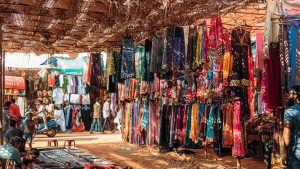
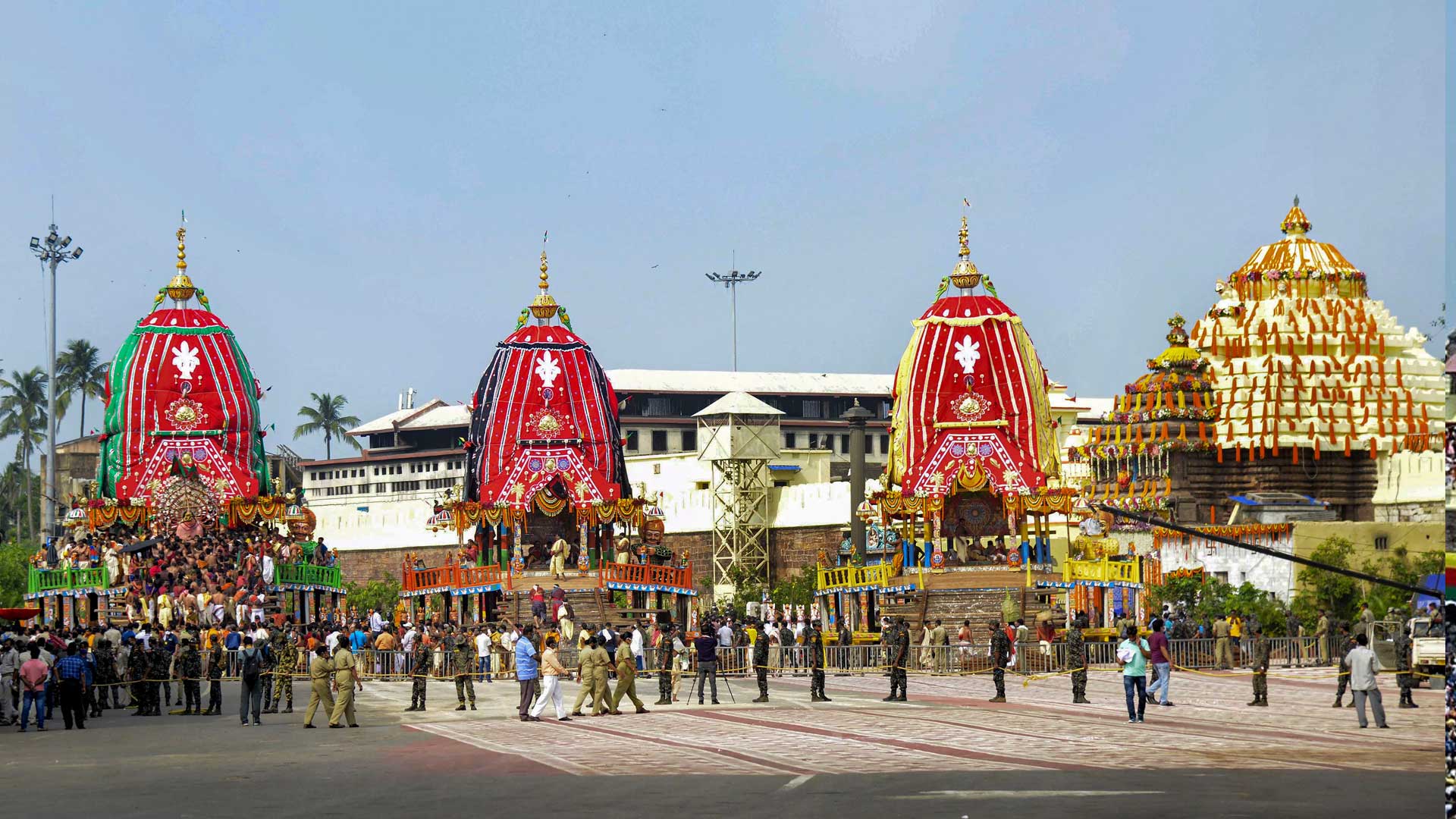
The mountain takes on an important role in local festivals and religious occasions, and many pilgrims visit who have a spiritual attachment to the mountain, blessing the mountain in some fashion or participating in divinely-oriented ceremonies during auspicious occasions. Locally made handicrafts and souvenirs provide visitors with some memento of the eastern part of the region while representing the mountain’s cultural significance and natural beauty.
The various forms of oral tradition (both formal and informal) regarding the significance of the mountain do improve the overall experience for visitors who are interested in understanding the cultural practices and particular forms of consciousness that are called up within the surrounding traditions and customs.