
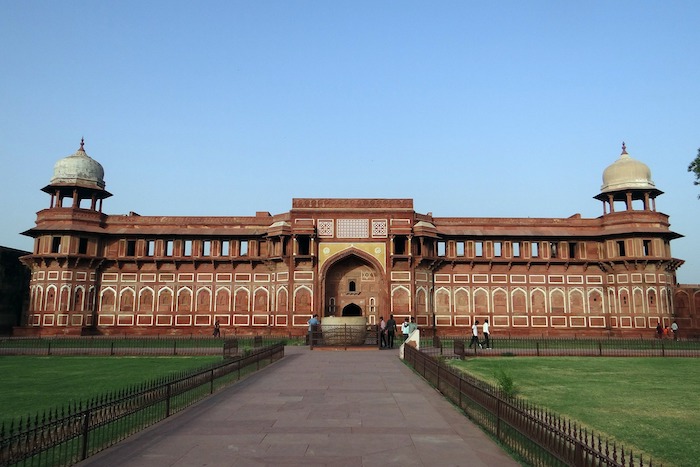
An Agra tour packs some of India’s greatest Mughal sights into one compact city: the Taj Mahal at sunrise, the red sandstone walls of Agra Fort, and the abandoned capital of Fatehpur Sikri a short drive away. Below are the verified facts, current ticket prices, and practical tips that will help you plan the visit well.
Key Highlights
- Plan one full day for the Taj Mahal and Agra Fort; add a second day for Fatehpur Sikri and Itmad-ud-Daulah.
- Entry: ₹50 for Indian visitors, ₹1,100 for foreign visitors, and ₹540 for SAARC/BIMSTEC visitors, plus ₹200 for the main mausoleum; under-15s enter free. The complex stays closed on Fridays.
- October to March is the best season, and sunrise entry means the softest light on the marble and the shortest queues.
- Agra is about 1 hour 40 minutes from Delhi by the Gatimaan Express, or roughly 230 km via the Yamuna Expressway.
- Book tickets only on the official portal, tajmahal.gov.in, and hire licensed guides. Ignore “skip the line” touts at the gates.
Agra Quick Facts and Ticket Prices
Agra sits on the west bank of the Yamuna in Uttar Pradesh, about 230 km south of Delhi. A Mughal capital under Akbar, Jahangir, and Shah Jahan, it draws roughly seven million visitors a year.
- Star sight: Taj Mahal, UNESCO listed in 1983
- Built: 1632 to 1648 under Shah Jahan; outer buildings finished 1653
- Architect: Ustad Ahmad Lahori; Makrana marble with pietra dura inlay
- Also visit: Agra Fort (1565 to 1573), Fatehpur Sikri (capital 1571 to 1585), Itmad-ud-Daulah (1622 to 1628)
| Ticket | Indian visitors | Foreign visitors | SAARC / BIMSTEC |
|---|---|---|---|
| Taj Mahal entry | ₹50 | ₹1,100 | ₹540 |
| Main mausoleum (add-on) | ₹200 | ₹200 | ₹200 |
| Children under 15 | Free | Free | Free |
Tickets are valid for about three hours from entry. Fees are revised from time to time, so confirm current rates on the official Taj Mahal portal before you go.
How to Reach Agra
By Train
The Gatimaan Express covers Hazrat Nizamuddin to Agra Cantt in about 1 hour 40 minutes, and express trains connect Agra Cantt with Delhi, Mathura, Gwalior, and Jhansi through the day. If you are basing yourself in the capital, our facts about Delhi will help you plan the Delhi half of the trip.
By Road
Self-drive works well on this stretch, and the Agra-Lucknow Expressway links the city eastward with Lucknow.
By Air
Agra’s airport handles only a few domestic flights, so most visitors fly into Delhi and continue by train or road.
Best Time to Visit Agra
October to March is the comfortable window. Aim for a sunrise entry: the marble glows pink in the first light, crowds are thinner, and the heat has not set in. April to June runs brutally hot, often above 40°C, and December and January fog can delay visibility. If dates are flexible, time your visit for the Taj Mahotsav, the ten-day culture festival held in February and March.
Taj Mahal: Facts Worth Knowing Before You Go
Shah Jahan commissioned the Taj in memory of his wife Mumtaz Mahal, who died in 1631. About 20,000 artisans built it from 1632 to 1648, with outer buildings finished in 1653, under chief architect Ustad Ahmad Lahori; Amanat Khan designed the calligraphy.
The symmetry is near-perfect with one exception: Shah Jahan’s cenotaph, added later, breaks the balance in the chamber. The four minarets tilt slightly outward so they would fall away from the dome in an earthquake. The tombs inside the chamber are cenotaphs; the real graves lie in a plain chamber below.
About 1,000 elephants hauled marble from Makrana, roughly 300 km away, for craftsmen to inlay 28 kinds of semi-precious stone into the walls. Lapis lazuli came from Afghanistan and jade from China. UNESCO listed the Taj in 1983, calling it “the jewel of Muslim art in India”, and in 2007 it joined the New 7 Wonders of the World.
Our detailed guide to Taj Mahal tours covers gate choice, ticket types, and the Taj Museum in more depth.
Agra Fort: The Red Sandstone Powerhouse
Akbar began Agra Fort in 1565; his successors completed it by 1573. The red sandstone walls run about 2.5 km and enclose Jahangir’s Palace, the Diwan-i-Am, and the Diwan-i-Khas. Shah Jahan spent his final years imprisoned in the Musamman Burj, an octagonal tower with a direct view of the Taj across the river.
Enter through the Amar Singh Gate and start at Jahangir’s Palace, then work north toward the riverside pavilions. There is no cafe inside, so eat beforehand, and stay for the evening sound-and-light show if you can.
Fatehpur Sikri: The Abandoned Capital
About 41 km from Agra, Fatehpur Sikri served as the Mughal capital from 1571 to 1585, roughly fourteen years, before Akbar abandoned it. Water shortage is the explanation most historians give for the move back to Agra.
The red sandstone complex holds the Buland Darwaza, the Jama Masjid, the white marble Tomb of Salim Chishti, and the five-storeyed Panch Mahal. Come in the morning before the day buses arrive, and budget half a day including the drive.
More Places to See In and Around Agra
Itmad-ud-Daulah, often called the Baby Taj, is the tomb of Mirza Ghiyas Beg, commissioned by his daughter Nur Jahan between 1622 and 1628. Its marble latticework reads like a draft of the Taj Mahal that followed. Across the Yamuna, Mehtab Bagh, the Moonlight Garden, gives the classic sunset view of the Taj. Akbar’s Tomb at Sikandra, about 14.8 km from the city centre, mixes Hindu, Islamic, and Christian motifs in a way no other Mughal tomb does. The Taj sits 2.9 km from Agra Fort and 6.7 km from Itmad-ud-Daulah, so the core sights cluster tightly.
One Day or Two? A Simple Agra Itinerary
One full day covers the essentials: the Taj Mahal at sunrise, Agra Fort after breakfast, and Itmad-ud-Daulah in the late afternoon light. If you are staying in Delhi and doing Agra as a day trip, see our roundup of tourist attractions near Delhi NCR to pair the two days well.
A second day opens up Fatehpur Sikri in the morning and Mehtab Bagh at sunset, with Akbar’s Tomb on the way back.
Stay overnight near the Taj East Gate to make the sunrise entry easy; auto-rickshaws and prepaid taxis cover the short hops between monuments.
With three days, add Mathura and Vrindavan, or roll the trip into the Golden Triangle circuit; our facts about Jaipur will help you plan the Rajasthan leg.
Ticket and Tour Tips
Book online through the official portal and carry a photo ID; payment at the counters is digital. Only the East and West gates admit visitors, everyone exits through the South gate, and shoe covers are required inside the mausoleum. The Taj Museum opens at 10:00.
Hire a licensed ASI guide at the gate and agree on the price before you start; guides who attach themselves mid-visit and demand payment later are best avoided. Ignore anyone selling “skip the line” passes. There is no such thing, and the official queue moves quickly at opening time.
Food, Shopping, and Practical Tips
Agra’s signature sweet is petha, and the old city’s Mughlai kitchens do excellent kebabs and biryani. For shopping, look for pietra dura marble inlay, leather goods, and carpets, but compare prices. Carry water and a cap in summer, wear slip-off shoes at mosques and tombs, and keep small change for the electric carts at the East gate.
Frequently Asked Questions
What is the entry fee for the Taj Mahal?
Indian visitors pay ₹50, foreign visitors ₹1,100, and SAARC/BIMSTEC visitors ₹540, with an extra ₹200 for the main mausoleum; children under 15 enter free. Confirm the current rates on the official portal, tajmahal.gov.in, before your visit, since fees are revised from time to time.
Is the Taj Mahal closed on Fridays?
Yes, the complex is closed every Friday, the only day it does not open. On all other days it opens about 30 minutes before sunrise and closes about 30 minutes before sunset. Plan Agra Fort or Fatehpur Sikri for Friday instead.
What is the best time to visit Agra?
October to March is the best season, with cool dry weather that suits long sightseeing days. Arrive at sunrise for the softest light and shortest queues. Avoid April to June, when temperatures regularly cross 40°C; December and January fog can delay morning visibility.
How do I reach Agra from Delhi?
The Gatimaan Express covers the run in about 1 hour 40 minutes, making it the fastest option. By road, the Yamuna Expressway is about 230 km and takes 3 to 4 hours by car or bus. Agra’s airport has limited flights, so most travellers fly into Delhi and continue overland.
How many days are enough for Agra?
One full day covers the Taj Mahal, Agra Fort, and Itmad-ud-Daulah comfortably. Two days let you add Fatehpur Sikri, Mehtab Bagh at sunset, and Akbar’s Tomb without rushing. Add a third day only if you plan to combine Agra with Mathura, Vrindavan, or the Golden Triangle circuit.
Why was Fatehpur Sikri abandoned?
Fatehpur Sikri was the Mughal capital for only about fourteen years, from 1571 to 1585, before Akbar moved the court back to Agra. Most historians blame a failing water supply. The red sandstone palaces, the Jama Masjid, and the Buland Darwaza survive almost intact and make a rewarding half-day trip.
Conclusion
Start with the Taj at sunrise, give Agra Fort a full morning, and keep a second day for Fatehpur Sikri if you can. Book on the official portal before you travel, and you will have the easy, unhurried trip this city deserves.
Weather
[location-weather id="5549"]