
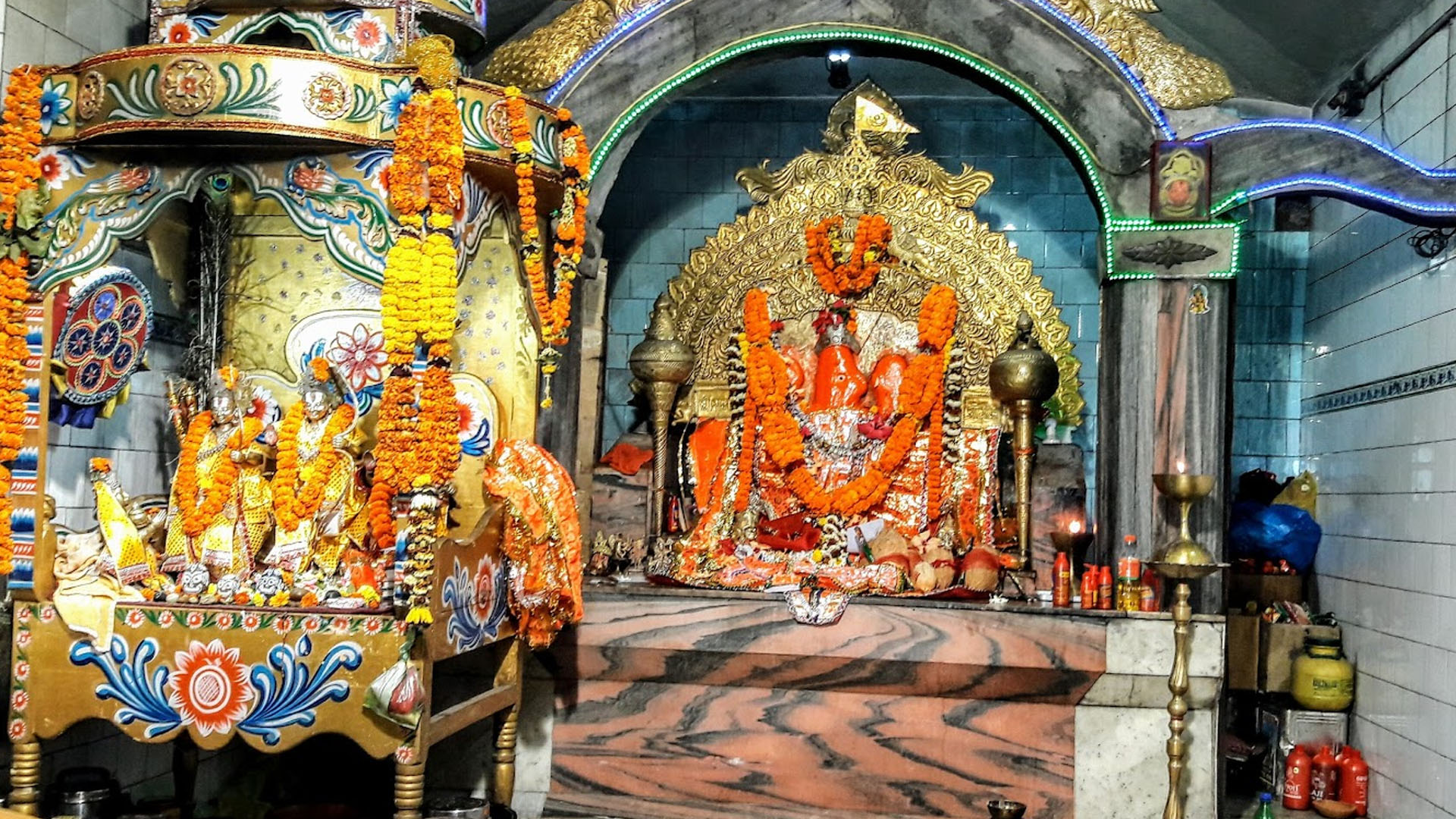
Mahavir Hanuman Temple in Jariput village, Khordha district, is a quiet Hindu shrine dedicated to Lord Hanuman, about an hour’s drive from Bhubaneswar. It suits devotees and travellers who want a peaceful temple visit away from the crowds of Puri and Bhubaneswar, with stone carvings, daily rituals, and a calm rural setting.
Key Highlights
- The shrine in Jariput is dedicated to Lord Hanuman and is known locally as a place of protection and strength.
- Local tradition traces the temple back several centuries, to an idol found buried at the site.
- The main shrine is built of stone with carvings of Hanuman, Rama, and Sita, and the complex covers about 2 acres.
- Hanuman Jayanti and Ram Navami are the biggest festival days, when thousands of devotees visit.
- The temple is open daily from morning to evening, and entry for darshan is free.
History and legend
Jariput is a small village in Khordha district, and its Hanuman shrine has grown from a small local place of worship into a large complex. Local legend says a Hanuman idol was found buried on the site, and a small temple was built to house it. Over time, devotees expanded and renovated the shrine into the complex that stands today. Some local accounts place the origins more than 300 years back, while the older structure of the shrine is linked by village tradition to earlier centuries. Exact dates are not recorded in inscriptions, so the history rests on oral tradition and local belief.
Hanuman is worshipped here as Mahavir, the great hero, a form that stands for strength, loyalty, and protection from trouble. Devotees call on him as Sankat Mochan, the remover of troubles, and many visit to pray for health, courage, and relief from difficulty. That role explains why the temple draws steady local devotion through the year rather than only on festival days.
Architecture and what to see
The main temple is built of stone and carries carvings of Hanuman, Rama, and Sita, worked in the Odishan style. The inner sanctum holds the presiding idol of Mahavir Hanuman, and the carvings around the shrine show scenes from the Ramayana along with floral and geometric patterns. The same Kalinga idiom shapes the Ananta Vasudeva Temple in Bhubaneswar. Visitors should take time to look at the stonework up close, since the detail is finer than the plain outer walls suggest.
The complex covers about 2 acres and holds smaller shrines, meditation halls, and spaces used for festivals and community meals. The grounds are quiet on ordinary days, with temple bells, birdsong, and the sounds of the village around. That calm is part of the appeal for travellers who find the big temple towns of Odisha overwhelming.
Devotees typically offer flowers, sweets, and oil lamps, and priests conduct morning and evening aarti. Photography inside the sanctum may be restricted, so ask before taking pictures and follow the priests’ guidance on where cameras are allowed.
Festivals at the temple
Hanuman Jayanti is the biggest day at the shrine, with special prayers, decorations, and community feasts. Ram Navami and Diwali also draw large crowds, and local sources report more than 10,000 visitors on the busiest festival days. Festival visits are rewarding for the atmosphere, but expect queues, packed village roads, and limited parking. Community meals served during the main festival days give visitors a simple vegetarian meal alongside devotees, and the evening aarti on those days runs longer than the usual daily worship. Travellers who prefer a quiet darshan should visit on an ordinary weekday morning.
How to reach the temple
By Air
The nearest airport is Biju Patnaik International Airport in Bhubaneswar. From the airport, hire a taxi for the drive to Jariput, which takes about an hour depending on traffic. Pre-paid taxis and app-based cabs serve the route, and a return booking is wise since taxis are scarce in the village itself.
By Train
The nearest major railway station is Bhubaneswar, with trains from across India, and Khordha Road Junction also serves the district. From either station, take a taxi or a bus toward Jariput village. Local buses run on village routes, but timings are irregular, so a taxi is the safer choice for a day trip.
By Road
Jariput is connected by rural roads from Khordha town and Bhubaneswar. The drive from Bhubaneswar takes about an hour, and the last stretch runs through farmland and village lanes. Roads are motorable in all seasons, though the final approach is narrow, so drive slowly and watch for pedestrians and livestock.
Best time to visit
October to March is the best time to visit, when Odisha’s weather is cooler and drier and village roads are in good shape. Festival days in spring, especially Hanuman Jayanti, offer the liveliest experience but also the largest crowds. Summer months are hot, so plan a morning visit and carry water. The monsoon brings green fields around the village but also muddy lanes.
Entry fee and timings
Entry for darshan is free, and voluntary donations are accepted at the temple office. Special pujas and offerings may carry small charges set by the temple. Local guides list the temple as open from about 6:00 am to 7:00 pm daily, with a midday break possible on some days. Timings can shift on festival days, so confirm locally before a special visit.
Places near the temple
A visit to Jariput pairs well with the temple towns around Bhubaneswar. The Megheswar Temple in the city shows the classic Kalinga style in a quiet, working shrine.
Chilika Lake and the Dhauli Hills are longer day trips from the area and suit visitors who want nature and Buddhist heritage alongside temple visits.
The small Vaital Deula, known as Baitala Temple, is one of the oldest shrines in Bhubaneswar and is worth adding to the same day.
Travel tips
Dress modestly, remove footwear at the temple entrance, and keep voices low inside the sanctum. Carry cash for offerings and transport, since card payment is unreliable in the village. There are few restaurants near the temple, so eat in Khordha town or Bhubaneswar before or after the visit. Mobile signal is usually fine, but download offline maps before leaving Bhubaneswar, since village signboards are limited.
Travellers with a second day can add the Tapoban Mahima Ashram near Dhenkanal, a peaceful ashram on Kapilash Hill that pairs well with a temple circuit.
Frequently Asked Questions
Where is Mahavir Hanuman Temple located?
Mahavir Hanuman Temple is located in Jariput village in Khordha district, Odisha, about an hour’s drive from Bhubaneswar. The village sits on rural roads off the Khordha to Bhubaneswar route, and the temple is the best-known landmark in Jariput, so local drivers know it well.
Who is worshipped at Mahavir Hanuman Temple?
Lord Hanuman is worshipped at the temple in his form as Mahavir, the great hero, known for strength, loyalty, and protection. Devotees also call him Sankat Mochan, the remover of troubles, and visit to pray for courage, health, and relief from difficulty.
What is the history of Mahavir Hanuman Temple?
Local tradition says a Hanuman idol was found buried at the site, and a small temple was built to house it before later expansions created the present complex. Some accounts trace the shrine back more than 300 years, but no inscription fixes an exact date, so the history rests on oral tradition.
When is the temple open?
The temple is open daily from about 6:00 am to 7:00 pm, according to local listings, with possible midday breaks. Timings can change on festival days, so visitors planning a special trip should confirm the hours locally before travelling to Jariput.
Which festivals are celebrated at Mahavir Hanuman Temple?
Hanuman Jayanti is the main festival at the temple, with special prayers, decorations, and community feasts. Ram Navami and Diwali are also celebrated with large crowds, and the busiest festival days can draw more than 10,000 devotees to the village.
Is there an entry fee for Mahavir Hanuman Temple?
There is no entry fee for darshan at the temple, and voluntary donations are accepted. Special pujas or offerings may carry small charges set by the temple, and visitors should carry cash since card payment is unreliable in the village.
Jariput’s Hanuman shrine is worth the detour for anyone travelling between Bhubaneswar and Khordha who wants a quiet, working village temple. Plan a weekday morning visit, then continue to the Bhubaneswar temple circuit for a full day of Odisha heritage.
Weather Mahavir Hanuman Temple
[location-weather id="5549"]