
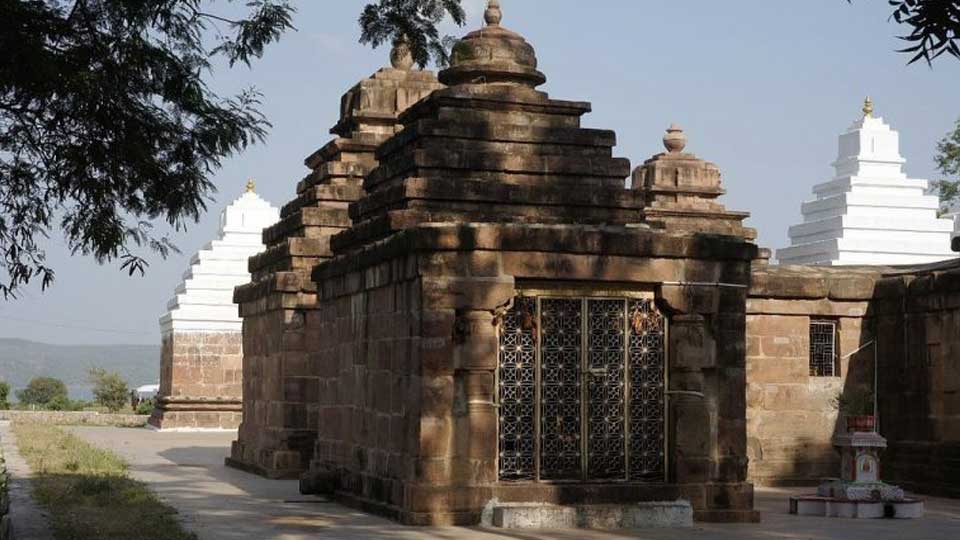
Pataleshwar Temple Jaipur is a small underground Shiva shrine in central Jaipur, reached by descending 36 steps into a cool, lamp-lit sanctum built around a natural Shivling. It suits travellers who want a quiet temple stop between Jaipur’s forts and palaces, and it takes under an hour to visit properly.
Key Highlights
- Pataleshwar Temple Jaipur is dedicated to Lord Shiva, with an underground sanctum that gives the temple its name, since Patal means underworld.
- Visitors descend 36 steps into the sanctum, which holds a natural Shivling and feels like entering a cave.
- Local accounts describe the temple as around 400 years old and say it was found again in 1977, though no builder is recorded.
- Entry is free, and the temple is open every day, with morning hours from 5:00 am to 12:00 noon and evening hours from 4:00 pm to 6:00 pm.
- Maha Shivratri is the temple’s biggest festival, when pilgrims crowd the small underground space.
History and Legend of Pataleshwar Temple
The name explains the temple. Patal means the underworld, and the shrine sits below ground level, about 20 to 22 feet deep according to local accounts, with a protective wall built around it after its rediscovery. One local account says the temple was built around 400 years ago and was found again in 1977, while another links it in legend to the Pandavas of the Mahabharata. No firm evidence names a builder, so treat the Pandava link as legend and the 400-year figure as local tradition rather than a documented date.
That uncertainty is worth stating plainly, because Jaipur has more than one shrine with a similar name, and online listings mix them up. This temple is the underground Shiva shrine in central Jaipur with the 36-step descent, not the rock-cut Pataleshwar cave temple in Pune and not the Pratapeshwar shrine in Gangori Bazaar. Keeping that distinction in mind avoids a wasted trip to the wrong temple.
Architecture: The Underground Sanctum
The experience is the architecture. You leave street level behind and walk down 36 steps into a space that feels like a cave, lit well enough to see the stone carvings on the walls. The motifs cover deities and floral patterns in the traditional Rajasthani manner, and the low, enclosed sanctum keeps the space cool even on a hot Jaipur afternoon.
At the centre stands the natural Shivling, the focus of worship. The shrine is small, so darshan is intimate rather than grand: a few devotees at a time, the sound of bells close at hand, and priests moving through the daily rituals. That scale is the point. After the open courtyards of Jaipur’s big temples, Pataleshwar feels private and old in a way a larger shrine cannot match.
How to Reach Pataleshwar Temple
By Air
Jaipur International Airport is the nearest airport, and the temple is a taxi or app-cab ride into central Jaipur from there. Pre-booked cabs are the simplest option if you are arriving with luggage, since the temple lanes themselves are best finished on foot.
By Train
Jaipur Junction is the nearest major railway station, and it connects to Delhi, Mumbai, Ahmedabad and other major cities. From the station, take an auto-rickshaw or cab into central Jaipur, and allow extra time in peak traffic.
By Road
The temple sits in central Jaipur, within easy reach of the old city by auto-rickshaw, taxi or app cab. Buses serve the central areas, but a cab is more practical for a temple stop combined with other sights. Wear comfortable shoes, since the 36 steps down and back up are steep, and the lanes around the temple are uneven.
Best Time to Visit Pataleshwar Temple
October to March is the best season for Jaipur generally, with cooler weather for walking the old city. Early morning is the best time of day here: the temple opens at 5:00 am, the light in the sanctum is calm, and you avoid the small space getting crowded. Maha Shivratri is the most atmospheric time to visit, but also the most crowded, so arrive early if you come for the festival. If you are planning a visit in 2026, a weekday morning gives you the quietest darshan.
Things to Do at Pataleshwar Temple
Take darshan, sit for a few minutes in the sanctum, and look closely at the wall carvings on the way back up the steps. The rituals follow a steady daily pattern: darshan from 5:10 am, aarti and bhog around 7:00 am, pooja at 8:00 am, afternoon darshan from 4:00 pm to 5:00 pm, and shayan aarti at 6:10 pm, with the temple closing at 6:30 pm. Timings can vary on special days and festivals, so check locally before a festival visit. Photography inside the sanctum should follow the priests’ guidance, and silence is expected during aarti.
Pair the temple with the Galtaji Temple, Jaipur’s monkey temple in the hills east of the city, for a second, very different temple experience. The Moti Dungri Temple is another central Jaipur shrine worth combining on the same day, and the Govind Dev Ji Temple in the City Palace complex shows Jaipur’s royal temple tradition at full scale. For a quieter stop, add the Jagat Shiromani Temple in Amer, or the ISKCON Temple Jaipur for an evening visit.
Entry Fee and Timings
There is no entry fee at Pataleshwar Temple. It is open all days of the week, with morning hours from 5:00 am to 12:00 noon and evening hours from 4:00 pm to 6:00 pm, closing at 6:30 pm. The temple opens at 5:00 am, darshan begins at 5:10 am, and the evening session runs to the 6:10 pm shayan aarti. Timings may vary on special days and festivals.
Travel Tips
Go slowly on the steps, and hold the rail if one is available, since the descent is steep and the stone can be smooth. Keep your visit short if you are claustrophobic, as the sanctum is small and enclosed. Dress modestly, remove footwear where required, and keep your phone silent inside. Carry water in summer, and combine the temple with nearby old-city sights rather than making it a standalone trip across town. If you are combining temples, visit Pataleshwar first in the morning and the larger shrines later, since the small sanctum is at its calmest before the day warms up. Auto-rickshaw drivers in the old city know the temple by name, but confirm you mean the underground shrine before you set off, given the similar names elsewhere in Jaipur.
Frequently Asked Questions
Where is Pataleshwar Temple in Jaipur?
Pataleshwar Temple is an underground Shiva shrine in central Jaipur, Rajasthan, reached from Jaipur Junction by auto-rickshaw or cab. It is the temple with the 36-step descent into the sanctum, not the similarly named shrines in Pune or Gangori Bazaar.
Why is it called Pataleshwar Temple?
The temple is called Pataleshwar because its sanctum sits below ground level, about 20 to 22 feet deep according to local accounts. Patal means underworld, so the name describes the shrine’s position beneath the street. The wall around the shrine protects the sunken structure, and the descent itself is part of the visit, not just the way in.
How old is Pataleshwar Temple Jaipur?
Local accounts describe Pataleshwar Temple as around 400 years old and say it was found again in 1977, but no builder is recorded. A legend also links it to the Pandavas, though that link is tradition rather than documented history.
What are the timings of Pataleshwar Temple Jaipur?
Pataleshwar Temple is open every day from 5:00 am to 12:00 noon and from 4:00 pm to 6:00 pm, closing at 6:30 pm. Darshan starts at 5:10 am, and the evening shayan aarti is at 6:10 pm, with timings varying on festivals.
Is there an entry fee for Pataleshwar Temple?
No, there is no entry fee at Pataleshwar Temple in Jaipur. Darshan is free, and visitors only need to follow the temple’s dress and footwear customs inside the sanctum. Offerings and donations are separate from entry, and the temple follows the usual customs for footwear and modest dress inside the sanctum.
What is special about Pataleshwar Temple?
The temple’s underground sanctum is its main draw, reached by 36 steps and built around a natural Shivling. The cave-like space, stone carvings and small scale make it very different from Jaipur’s larger, open-air temples. Unlike the larger temples nearby, the space is small and enclosed, so darshan feels personal and the visit stays short.
Weather Pataleshwar Temple
[location-weather id="5549"]