
Odisha is a land rich in history, spirituality, and artistic brilliance. While the state is widely known for iconic landmarks like the Konark Sun Temple and Jagannath Temple in Puri, it is also home to several lesser-known heritage destinations that reveal the grandeur of ancient Indian civilization. One such remarkable destination is the Archaeological Museum in Ratnagiri, Jajpur.
Situated amidst the historically significant region of Ratnagiri, this museum serves as a gateway to Odisha’s glorious past. It preserves and showcases invaluable archaeological findings that highlight the evolution of religion, art, architecture, and society over centuries.
The museum is particularly important for travelers exploring Odisha’s famous Buddhist circuit, as Ratnagiri itself was once a flourishing center of Buddhist learning and culture. From ancient sculptures and inscriptions to relics and fossils, every corner of the museum tells a fascinating story of Odisha’s heritage.
For history enthusiasts, students, researchers, and travelers alike, the Archaeological Museum offers a deeply enriching experience that combines education with cultural exploration.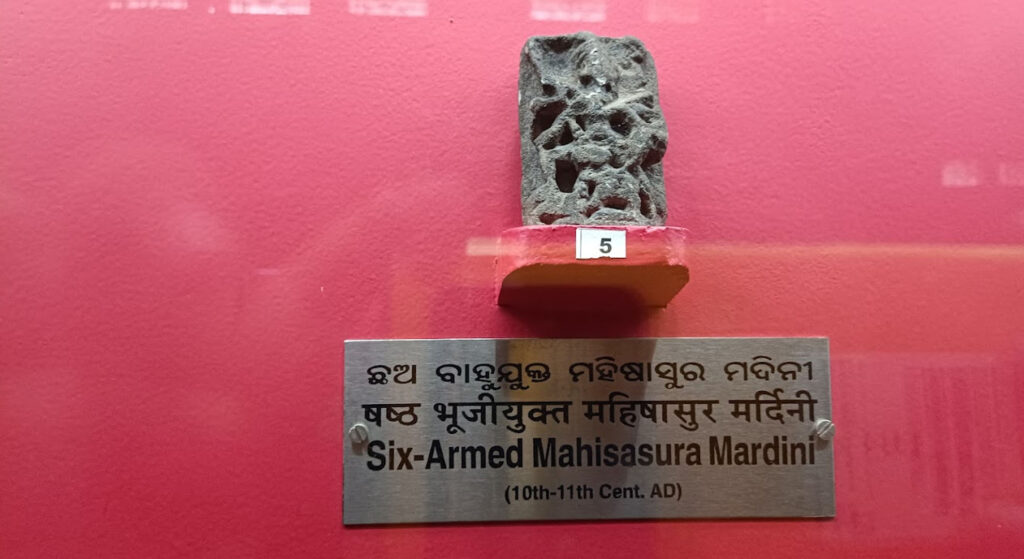
Historical Background of Ratnagiri
Ratnagiri, located in the Jajpur district of Odisha, is one of the most significant Buddhist archaeological sites in eastern India. The site flourished between the 5th and 13th centuries CE and was an important center for Mahayana and Vajrayana Buddhism.
Archaeological excavations in the region uncovered:
- Monasteries and stupas
- Stone sculptures and carvings
- Ancient inscriptions
- Religious relics and artifacts
These discoveries revealed that Ratnagiri was once a thriving educational and spiritual hub where monks, scholars, and pilgrims gathered from different parts of Asia.
The Archaeological Museum was established to preserve these invaluable findings and present them to the public in an organized and educational manner. Today, it stands as a symbol of Odisha’s commitment to conserving its cultural heritage.
Importance of the Archaeological Museum
The Archaeological Museum is much more than a building filled with old objects. It serves several important purposes:
1. Preservation of Heritage
The museum protects ancient artifacts from damage, theft, and environmental decay. Many of these relics are centuries old and hold immense historical value.
2. Educational Resource
Students, researchers, and historians visit the museum to study Odisha’s archaeological and cultural history. The collections provide important information about ancient civilizations, religions, and artistic traditions.
3. Promotion of Tourism
The museum attracts tourists from across India and abroad, contributing to cultural tourism in Odisha. It also encourages visitors to explore nearby historical sites.
4. Cultural Awareness
By displaying ancient artifacts and inscriptions, the museum helps visitors understand and appreciate Odisha’s rich cultural legacy.
Ashokan Rock Edicts: A Priceless Historical Treasure
One of the most significant attractions associated with the museum and the surrounding region is the Ashokan Rock Edicts. These inscriptions were created during the reign of Emperor Ashoka of the Mauryan Empire in the 3rd century BCE. After the devastating Kalinga War, Ashoka embraced Buddhism and promoted values such as:
- Peace
- Compassion
- Non-violence
- Religious tolerance
The rock edicts contain messages related to governance, morality, and ethical living. They are considered some of the earliest written records in Indian history and provide valuable insights into ancient political and social systems.
For visitors, these edicts offer a direct connection to one of the most transformative periods in Indian history.
Museum Collections and Exhibitions
The museum’s galleries are also home to an impressive collection of sculptures and architectural remains, ranging from intricate Buddhist and Hindu carvings to towering monolithic pillars and ornate temple friezes. These artifacts are not only remarkable works of art but also offer insights into the artistic and architectural traditions that flourished in ancient Odisha. The Archaeological Museum houses a diverse and fascinating collection of artifacts that span several centuries.
1. Buddhist Sculptures
One of the highlights of the museum is its impressive collection of Buddhist sculptures, including:
- Buddha statues in various postures
Bodhisattva figures
Images depicting Buddhist teachings and symbols
These sculptures reflect the spiritual and artistic excellence of ancient Odisha.
2. Hindu Sculptures and Temple Art
The museum also showcases remarkable Hindu carvings and temple fragments that reveal the coexistence and evolution of different religious traditions in the region.
Visitors can admire:
- Intricately carved deities
- Decorative stone panels
- Temple friezes and pillars
3. Monolithic Pillars and Architectural Remains
The galleries feature massive stone pillars, temple remains, and architectural fragments that provide insight into ancient construction techniques and design styles.
4. Fossils and Prehistoric Artifacts
The museum’s prehistoric collections include fossils and ancient tools that help trace the early development of human civilization in the region.
5. Coins and Numismatic Collections
The museum also preserves ancient coins from different dynasties, offering information about trade, economy, and political systems of the past.
Artistic and Architectural Significance
For history enthusiasts and researchers alike, the Archaeological Museum boasts an extensive collection of inscriptions, epigraphic records, and numismatic treasures. These invaluable resources provide a window into the linguistic, cultural, and economic landscapes of bygone eras, offering a rich tapestry of information for scholars and curious visitors alike. The artifacts displayed in the museum highlight Odisha’s extraordinary artistic traditions. Ancient craftsmen demonstrated exceptional skill in:
- Stone carving
- Sculpture making
- Architectural design
- Decorative art
The intricate details seen in the sculptures and temple fragments reflect both spiritual symbolism and artistic sophistication.
Many carvings portray scenes from Buddhist teachings, daily life, and mythology, making them not only religious objects but also valuable historical records. Beyond its exhibitions, the Archaeological Museum plays a vital role in preserving Odisha’s cultural heritage and promoting responsible tourism.
Through conservation efforts and research initiatives, the museum ensures that these priceless artifacts are safeguarded for future generations. Educational programs and guided tours further enhance the visitor experience, fostering a deeper appreciation for the region’s cultural legacy.
Educational and Research Opportunities
The Archaeological Museum is an important destination for academic and historical research. Scholars from across India and abroad visit the museum to study:
- Ancient inscriptions
- Buddhist history
- Archaeological discoveries
- Art and architecture
The museum often supports educational activities such as:
- Guided tours
- Research initiatives
- Heritage awareness programs
These efforts help preserve historical knowledge while educating future generations about Odisha’s cultural heritage.
Exploring Nearby Archaeological Sites
A visit to the Archaeological Museum becomes even more rewarding when combined with nearby historical attractions.
- Ratnagiri Buddhist Complex: Known for its monasteries and stunning sculptures, Ratnagiri is one of the most important Buddhist sites in Odisha.
- Lalitgiri: Lalitgiri is famous for ancient stupas and relics believed to be associated with the Buddha.
- Udayagiri: Udayagiri offers scenic surroundings and impressive archaeological ruins that showcase the grandeur of ancient Buddhist civilization.
- Manikmunda Rock Edicts: These ancient inscriptions provide additional historical insights into Odisha’s early history and governance.
Together, these destinations form Odisha’s famous Diamond Triangle, attracting history lovers and spiritual travelers from around the world.
Ecotourism and Sustainable Travel in Odisha
Odisha is increasingly promoting sustainable tourism and ecotourism initiatives to preserve its natural and cultural heritage.
Travelers visiting Ratnagiri can choose from:
- Eco-friendly resorts
- Traditional homestays
- Local guesthouses
These accommodations allow visitors to experience authentic Odia culture while supporting local communities. Responsible tourism practices encouraged in the region include:
- Respecting archaeological sites
- Avoiding littering
- Supporting local artisans and businesses
- Preserving natural landscapes
Such efforts ensure that Odisha’s heritage remains protected for future generations.
Local Culture and Cuisine
No visit to Odisha is complete without experiencing its rich culture and delicious cuisine. Visitors exploring Ratnagiri and Jajpur can enjoy traditional Odia dishes such as:
- Dalma
- Pakhala Bhata
- Chhena Poda
- Santula
Local festivals, folk traditions, and warm hospitality add depth and authenticity to the travel experience.
Best Time to Visit the Archaeological Museum
The ideal time to visit Ratnagiri and the Archaeological Museum is between October and February, when the weather is cool and comfortable.
During this season:
- Sightseeing becomes more enjoyable
- Outdoor exploration is easier
- Photography conditions are excellent
Although the museum is open year-round, summer temperatures can be quite high.
How to Reach Archaeological Museum, Ratnagiri
By Road
Ratnagiri is well-connected by road to major cities such as Bhubaneswar and Cuttack.
By Rail
The nearest major railway station is Cuttack, which connects to major cities across India.
By Air
The nearest airport is Biju Patnaik International Airport, Bhubaneswar.
From these transport points, taxis and local vehicles are available to reach Ratnagiri conveniently.
Travel Tips for Visitors
To make your visit more comfortable and memorable:
- Wear comfortable walking shoes
- Carry water and sunscreen
- Allocate enough time to explore nearby sites
- Hire a guide for deeper historical understanding
- Visit during the morning for a peaceful experience
Why You Should Visit the Archaeological Museum
The Archaeological Museum in Ratnagiri is not just a collection of ancient objects—it is a journey through Odisha’s glorious past. It allows visitors to:
- Explore ancient civilizations
- Understand Buddhist heritage
- Appreciate artistic excellence
- Connect with India’s historical roots
For anyone interested in history, spirituality, archaeology, or culture, this museum offers an unforgettable experience.
Conclusion
The Archaeological Museum in Ratnagiri, Jajpur, stands as a remarkable symbol of Odisha’s ancient heritage and cultural richness. Through its extraordinary collections, educational initiatives, and preservation efforts, the museum offers visitors a unique opportunity to explore the stories of bygone civilizations.
Combined with the nearby Buddhist sites of Ratnagiri, Lalitgiri, and Udayagiri, the museum forms an essential part of Odisha’s historical landscape. Through its remarkable exhibitions, conservation efforts, and educational programs, this museum invites visitors to unravel the mysteries of bygone civilizations and gain a deeper appreciation for the region’s rich cultural heritage. Embrace the opportunity to celebrate Odisha’s history while promoting sustainable tourism practices, creating lasting memories, and fostering a deeper connection with the region’s storied past.