
Located in the historic town of Sonepur in Subarnapur district, Odisha, Sureswari Temple stands as one of the most revered Shakti shrines in western Odisha. Set gracefully along the eastern bank of the Tel River, this ancient temple is not merely a religious structure—it is a living symbol of Odisha’s tantric heritage, Kalinga architecture, and devotional traditions.
Often associated with the spiritual identity of Sonepur—sometimes referred to as the “Second Varanasi of Odisha” due to its numerous temples—Sureswari Temple attracts pilgrims, historians, researchers, and cultural travelers alike. Its mythological roots, powerful Shakti worship, and centuries-old rituals make it one of the most significant temples in Subarnapur district.
For anyone exploring Odisha’s spiritual circuits, heritage tourism routes, or Shakti Peethas, Sureswari Temple offers a deeply immersive experience where mythology, architecture, and devotion converge.
Historical Background
The origins of Sureswari Mandir are steeped in legend and religious tradition. According to local beliefs, the temple is connected to Lord Parshuram, and the presiding deity, Goddess Sureswari, is considered an incarnation of Maa Durga. Devotees believe that the deity was established in ancient times as a powerful center of Shakti worship.
Historically, the temple flourished during the rule of the Chauhan dynasty, particularly under the patronage of Achal Singh Deo (1725–1750 CE), who is credited with constructing the present temple structure. During this period, Sonepur emerged as a significant center of tantric practices and Shakta traditions.
The temple’s association with Tantric culture distinguishes it from many other shrines in Odisha. Scholars often highlight Sureswari Temple as an important site where ancient Shakti rituals and esoteric traditions were practiced alongside mainstream devotional worship.
This unique blend of spirituality and tantra makes Sureswari Temple not only a place of worship but also an important subject of historical and religious research.
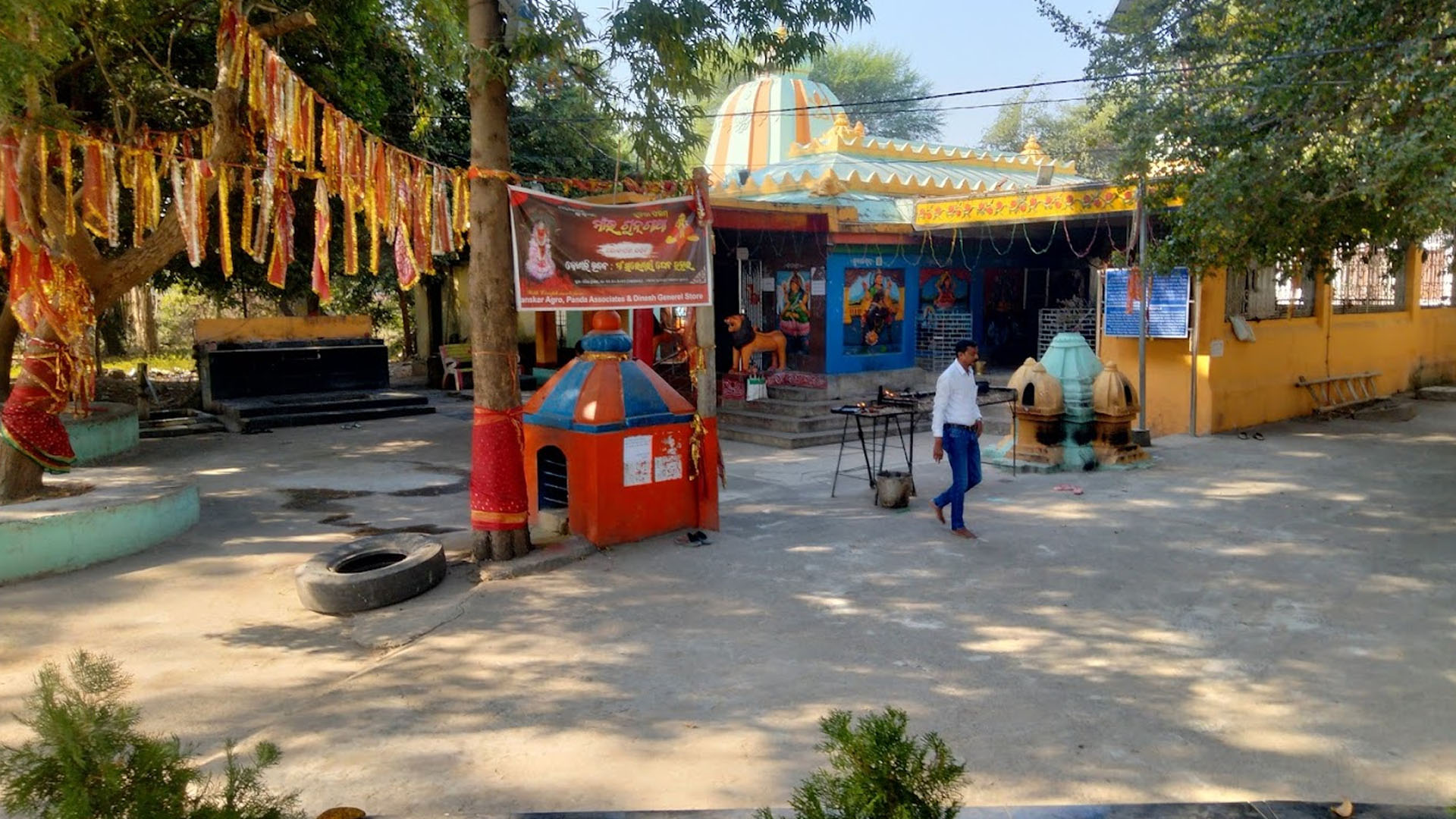
Architectural Marvel
Sureswari Temple is a fine example of Kalinga architecture, the classical temple architectural style of Odisha. The temple follows the Pancharatha Rekha Deula form—characterized by a towering shikhara (spire), elevated platform, and intricately carved exterior walls.
Key Architectural Features:
- Rekha Deula Tower: The vertical spire rising above the sanctum represents divine ascent.
- Intricate Sculptures: Carvings of Hindu deities, mythological narratives, floral motifs, and symbolic patterns.
- Raised Platform Structure: Enhances both visual prominence and structural durability.
- North-Facing Six-Armed Kali Idol: Adds mystical intensity and reinforces the tantric association.
The temple’s positioning along the Tel River enhances its aesthetic appeal. During sunrise and sunset, the temple’s silhouette against the flowing river creates a serene and spiritually uplifting atmosphere.
Architecturally, Sureswari Temple stands among the important heritage temples of western Odisha, reflecting both craftsmanship and devotion.
Spiritual Significance
Sureswari Temple holds immense spiritual value and is widely regarded as a Shakti Peetha, where a part of Maa Sati’s body is believed to have fallen. As an incarnation of Maa Durga, Goddess Sureswari is worshipped as the presiding deity of Sonepur.
Devotees believe that the goddess:
- Grants protection and prosperity
- Removes obstacles and suffering
- Blesses families with harmony
- Fulfills sincere prayers
The temple’s tantric heritage adds depth to its spiritual aura. Rituals performed here are believed to possess powerful spiritual energy, attracting devotees from across Odisha and neighboring states.
The tranquil surroundings—flowing river, temple bells, incense fragrance, and devotional chants—create an environment conducive to meditation and inner reflection.
Festivals and Rituals
Sureswari Temple becomes especially vibrant during major Hindu festivals. The celebrations here are marked by elaborate rituals, cultural performances, and devotional fervor.
Durga Puja & Navratri
Navratri is the most significant festival at the temple. For nine days, devotees participate in:
- Special puja ceremonies
- Chanting of sacred mantras
- Cultural programs and folk performances
- Ritual offerings to Goddess Sureswari
The spiritual atmosphere during Navratri transforms Sonepur into a major pilgrimage destination.
Mahabali Jatra
Mahabali Jatra is another important celebration that draws large crowds. It combines religious rituals with local fairs, creating a blend of spirituality and cultural festivity.
Unique Tantric Offerings
Unlike many other temples, Sureswari Temple continues certain ancient tantric traditions, including unique offerings such as fish prasad, reflecting the temple’s deep-rooted Shakta and tantric heritage.
Cultural Importance of Sureswari Temple in Sonepur
Sureswari Temple plays a central role in shaping Sonepur’s cultural identity. The town is known for its numerous temples, river confluence, and religious activities, earning it comparisons to Varanasi.
The temple influences:
- Local festivals and rituals
- Traditional music and dance
- Handloom patterns and textile motifs
- Community gatherings and fairs
The temple’s historical connections to the Chauhan and Somavamsi dynasties further enrich its cultural narrative. Visitors do not merely observe a monument—they experience a living tradition that continues to shape Odisha’s cultural heritage.
Exploring Sonepur: Nearby Attractions
A visit to Sureswari Temple can be combined with other important attractions in Subarnapur district:
- Subarnameru Temple – Known for its impressive golden spire.
- Lankeswari Temple – A revered riverside shrine.
- Tel River and Mahanadi Confluence – Scenic and spiritually significant.
- Bali Jatra Fair – A cultural event celebrating Odisha’s maritime history.
These sites collectively create a rich spiritual tourism circuit in western Odisha.
How to Reach Sureswari Temple
Location
Sureswari Temple is located approximately 1 km from Sonepur Bus Stand, on the eastern bank of the Tel River in Subarnapur district, Odisha.
By Road
Sonepur is well-connected by road to major towns in Odisha.
Nearest Railway Station
- Rairakhol Railway Station – Approximately 67 km from the temple.
Nearest Airport
- Veer Surendra Sai Airport, Jharsuguda – Approximately 143 km away.
From these points, taxis and local transport services are available.
Temple Timings
- Open Daily: 6:00 AM to 9:00 PM
- Open throughout the year (365 days)
Early morning and evening visits are ideal for peaceful darshan.
Best Time to Visit
- October to March – Pleasant weather for sightseeing
- Navratri & Durga Puja – Ideal for experiencing the temple’s festive grandeur
- Bali Jatra Period – For cultural immersion