
Raja Sawai Jai Singh, the creator of Jaipur, erected the Kalki temple in 1727 AD while establishing the city. He was an avid student of Vedic writings and a Hindu revivalist. Jai Singh erected the Kalki temple just opposite the City Palace’s eastern entrance.
The temple was built in 1727 AD by the visionary ruler Sawai Jai Singh II, the same king who founded the Pink City. Known for his scholarly interest in astronomy, Vedic scriptures, and architecture, Jai Singh designed Jaipur as a city deeply rooted in Hindu cosmology and sacred geography.
Situated opposite the eastern entrance of the majestic City Palace Jaipur, the Kalki Temple holds immense religious, historical, and architectural importance. It is believed to be among the few temples in the world dedicated to a deity yet to incarnate, making it a fascinating destination for pilgrims, historians, and travelers alike.
Historical Background of Kalki Temple Jaipur
The story of Kalki Temple begins during the founding of Jaipur in 1727 when Sawai Jai Singh II shifted his capital from Amber to the newly planned city.
As a ruler deeply influenced by Vedic philosophy and Hindu scriptures, Jai Singh sought to create a city that reflected spiritual symbolism and cosmic order. While constructing temples dedicated to well-known Hindu deities, he also commissioned a shrine dedicated to Kalki, the future avatar of Lord Vishnu.
This decision was extraordinary because, according to Hindu belief, Kalki has not yet appeared on Earth. By building the temple in advance, Jai Singh demonstrated his faith in the prophecy described in ancient texts such as the Vishnu Purana and Bhagavata Purana.
Another historical account recorded by the court poet Shree Krishna Bhatt Kalanidhi suggests that the temple was also constructed in memory of Jai Singh’s young grandson, Shree Kalik Ji, who died prematurely. The temple thus holds both religious symbolism and personal significance for the royal family.
Who is Kalki Avatar?
In Hindu mythology, Kalki is believed to be the tenth and final avatar of Lord Vishnu.
According to sacred scriptures, Kalki will appear at the end of the current cosmic age known as Kali Yuga.
Hindu cosmology describes four major ages:
- Satya Yuga
- Treta Yuga
- Dvapara Yuga
- Kali Yuga
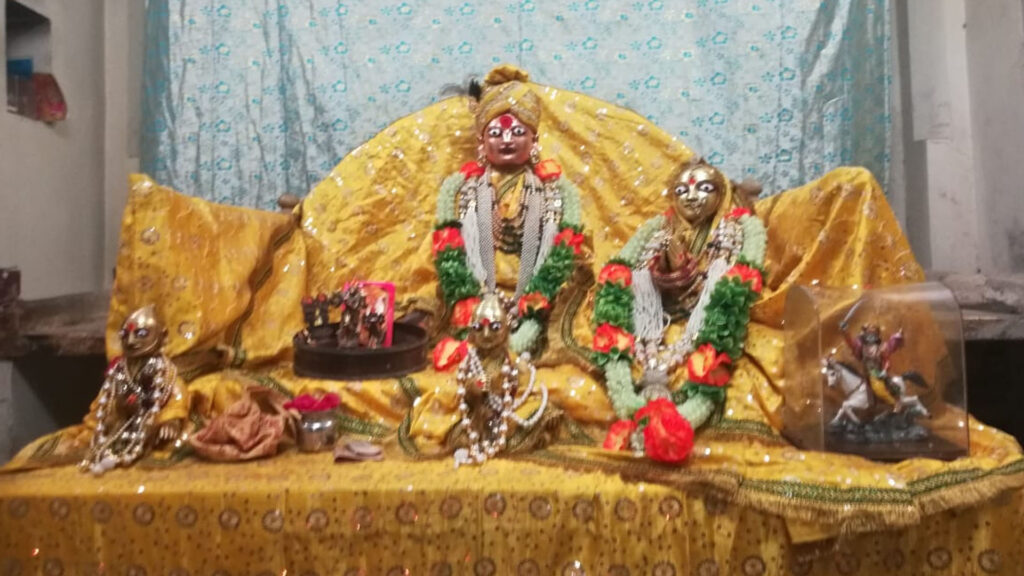
Kalki is prophesied to appear when moral values decline and injustice dominates the world. Riding a white horse and wielding a blazing sword, he will restore righteousness and bring the cycle of time back to a new Satya Yuga.
Because of this prophecy, Kalki symbolizes hope, renewal, and the triumph of dharma over adharma.
Unique Significance of Kalki Temple
The Kalki Temple of Jaipur is considered unique for several reasons.
Temple Dedicated to a Future Avatar
Most Hindu temples are dedicated to gods who have already appeared on earth. However, Kalki Temple honors a deity who has not yet manifested.
Rare Religious Architecture
Although there are a few shrines associated with Kalki across India, Jaipur’s temple is regarded as one of the earliest and most prominent dedicated temples.
Royal Patronage
The temple was built by a powerful Rajput king who deeply respected Vedic traditions and sought to integrate spirituality into urban planning.
Cultural and Mythological Importance
The temple reflects Hindu beliefs about cosmic cycles, divine incarnations, and the eventual restoration of universal order.
Location of Kalki Temple in Jaipur
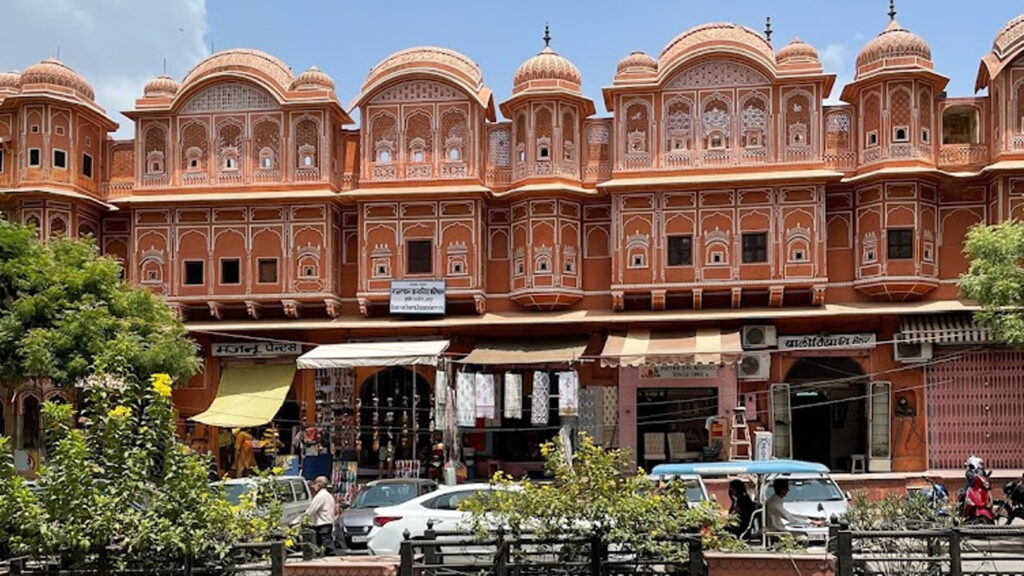
The temple is located near the historic markets of Jaipur’s old city. Visitors can access the temple through Hawa Mahal Bazaar or Sirah Dyodhi Bazaar, both situated close to the famous Hawa Mahal.
The temple stands opposite Sawai Man Singh Town Hall, making it part of Jaipur’s heritage zone. Despite being centrally located, the temple is slightly hidden behind a row of historical buildings. This gives the site a quiet and peaceful environment even within the bustling city.
Architecture of Kalki Temple
The architectural design of Kalki Temple combines traditional Hindu temple elements with regional influences. The structure is built using large stone blocks, giving it a strong and enduring foundation typical of historic temples.
Entrance Ramp
One unusual feature of the temple is its sloping ramp entrance instead of a staircase. The path leads through a ceremonial archway before reaching the temple courtyard.
The ramp may have been designed to allow ceremonial processions or accommodate royal visits.
Singhdwar (Main Entrance)
The temple entrance is known as the Singhdwar, meaning “Lion Gate.”
Constructed with heavy stone blocks, this entrance stands slightly elevated above ground level and symbolizes strength and protection.
Mandapa (Prayer Hall)
After passing through the Singhdwar, visitors enter the Mandapa, a spacious hall where devotees gather for prayers and rituals.
The Mandapa is covered by a large Shikhara, or temple dome, which rises above the sanctum and marks the temple’s sacred center.
Garbhagriha (Sanctum)
The innermost chamber of the temple is the Garbhagriha, where the idols are placed. Here, Lord Kalki is depicted seated alongside Lakshmi.
The marble doorframes of the sanctum are decorated with intricate carvings representing the nine previous avatars of Vishnu, known as the Dashavatara.
These include:
- Matsya
- Kurma
- Varaha
- Narasimha
- Vamana
- Parashurama
- Rama
- Krishna
- Buddha
The carvings represent the spiritual lineage leading to Kalki.
Religious Practices at Kalki Temple
The temple welcomes devotees daily and conducts traditional Hindu rituals. The shrine is administered by the Devsthan Department Rajasthan, which manages many historic temples in the state.
Priests appointed by the government perform daily pooja ceremonies, including:
- Morning aarti
- Offering of flowers and incense
- Devotional chanting
- Evening prayers
Devotees visit the temple seeking blessings for prosperity, protection, and spiritual guidance.
Cultural and Spiritual Importance
The Kalki Temple symbolizes faith in the future restoration of cosmic order. In Hindu philosophy, the cycle of time constantly moves between periods of righteousness and decline. Kalki’s future arrival represents the eventual return of truth and morality.
For devotees, the temple is a reminder that divine justice ultimately prevails, even during challenging times. Because of its rare dedication to a future incarnation, the temple also sparks interest among scholars studying Hindu mythology, theology, and temple traditions.
Best Time to Visit Kalki Temple
The temple can be visited throughout the year, but certain seasons are more comfortable for travelers.
- October to March: Winter months provide pleasant weather for exploring Jaipur’s historic sites.
- Festival Periods: Hindu festivals such as Diwali and Janmashtami bring special decorations and celebrations to the temple.
How to Reach Kalki Temple Jaipur
Because the temple is located in the old city, it is easily accessible from major transportation hubs.
By Air
The nearest airport is Jaipur International Airport, about 12 kilometers from the temple.
By Train
The closest railway station is Jaipur Junction Railway Station, which connects the city to major Indian destinations.
By Road
Local taxis, auto-rickshaws, and buses easily reach the temple through Jaipur’s historic markets. Visitors often combine the temple visit with nearby attractions like:
- City Palace Jaipur
- Jantar Mantar Jaipur
- Hawa Mahal
Why Kalki Temple Is a Must-Visit in Jaipur
While Jaipur is famous for forts and palaces, Kalki Temple offers a unique spiritual dimension.
Reasons to visit include:
- Rare temple dedicated to Vishnu’s future avatar
- Historical connection with Jaipur’s founder
- Beautiful traditional architecture
- Peaceful location within the old city
- Spiritual significance in Hindu mythology
For travelers interested in heritage tourism, mythology, and religious architecture, Kalki Temple is an essential stop in Jaipur.