
Nestled in the lush green landscapes of Odisha, Ambapani Wildlife Sanctuary is one of the lesser-known yet ecologically significant forest reserves in eastern India. Surrounded by dense vegetation, rolling hills, and a peaceful natural environment, the sanctuary offers an ideal destination for wildlife enthusiasts, nature photographers, trekkers, and eco-tourism travelers.
Located close to the scenic range of the Eastern Ghats and not far from the coastal influence of the Bay of Bengal, Ambapani represents a unique combination of forest biodiversity, wildlife habitats, and traditional cultural heritage. The sanctuary is also associated with the local deity Budhraja, whose temple lies at the foot of a nearby hillock, adding spiritual importance to the area.
This guide provides a detailed overview of Ambapani Wildlife Sanctuary, including its flora, fauna, biodiversity importance, travel information.
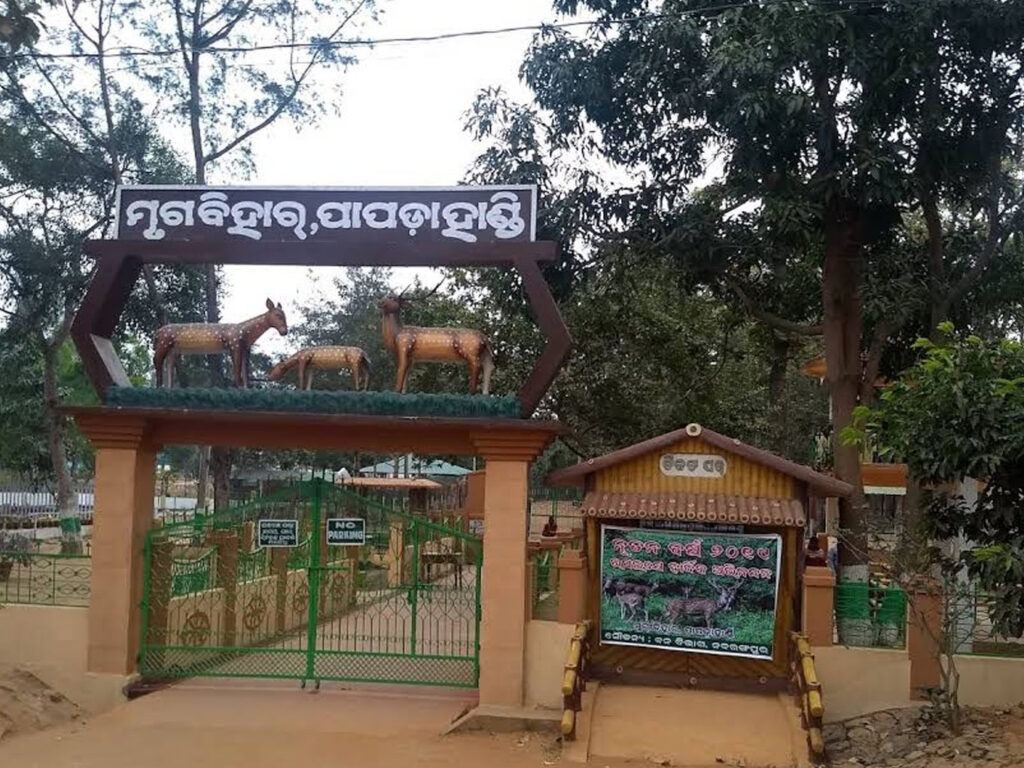
The Ambapani sanctuary takes its name from the Ambapani region, which is famous for the Budhraja deity, which is housed in a temple at the foot of a hillock. The Ambapani Sanctuary is located near the Bay of Bengal. The sanctuary’s ideal peaceful, calm, and serene environment, lush with greenery, exemplifies Orissa’s diverse natural heritage. The stunning and picturesque Eastern Ghats add to the sanctuary’s allure. The presence of a diverse range of wild animals, bids, and vegetation adds to the sanctuary’s natural beauty.
Location and Geographic Importance
Ambapani Wildlife Sanctuary is located in a region that showcases the natural richness of Odisha’s forest ecosystem. The sanctuary lies within a zone influenced by both hill forests and coastal climatic conditions. Because of its location near mountain ranges and forested hills, the sanctuary provides a favorable environment for many species of wildlife and plant life.
The landscape includes:
- Forest-covered hill slopes
- Seasonal streams and water bodies
- Dense woodland areas
- Natural grasslands that support herbivores
The sanctuary is also surrounded by rural settlements and tribal communities that have traditionally lived in harmony with nature. These communities contribute to the cultural significance of the region and maintain traditional knowledge about forest ecosystems.
Rich Flora of Ambapani Sanctuary
One of the most remarkable aspects of Ambapani Wildlife Sanctuary is its wide variety of plant species. The sanctuary contains several types of trees, shrubs, and forest plants that support wildlife habitats and maintain ecological balance.
Some of the major vegetation found in the sanctuary includes:
- Mangroves
- Teak trees
- Palas
- Salaia
- Bamboo forests
- Terminalia species
- Bel trees
- Tendu plants
- Hiwar trees
- Ziziphus
- Cassia plants
- Helicteres shrubs
- Dhawda
- Babul trees
- Bija trees
- Sal forests
These plants form dense forest ecosystems that provide food, shelter, and breeding grounds for animals and birds. Bamboo and teak forests particularly play an important role in maintaining soil stability and forest regeneration.
The presence of multiple plant species also indicates a healthy biodiversity zone where different ecosystems coexist together.
Wildlife and Fauna Diversity
Ambapani Wildlife Sanctuary is best known for its diverse wildlife population, especially deer species and forest mammals. The sanctuary provides a safe habitat where animals can thrive naturally in a protected environment.
Major Animals Found in Ambapani Sanctuary
Some of the prominent animals that can be seen in the sanctuary include:
- Leopard
- Sloth bear
- Wild dog
- Hyena
- Crocodile
- Wild boar
- Blue bull (Nilgai)
- Chinkara
- Sambar deer
- Barking deer
- Four-horned antelope
- Bear species
Among these, deer species are particularly common and form an important part of the sanctuary’s ecosystem. They play a vital role in maintaining the food chain and supporting predators like leopards and wild dogs.
The sanctuary also supports reptiles, amphibians, and insects that contribute to the ecological balance of the forest.
Birdlife in Ambapani Wildlife Sanctuary
Apart from mammals, the sanctuary is also home to a variety of bird species. The presence of forest vegetation and water sources creates a suitable environment for birds to nest and migrate.
Common bird species include:
- Jungle fowl
- Forest birds native to the Eastern Ghats region
- Migratory birds during certain seasons
- Various small woodland birds
Birdwatchers often visit the sanctuary to observe natural bird behavior in a peaceful and undisturbed setting.
Cultural and Spiritual Importance
Ambapani Sanctuary is not only known for wildlife but also for its cultural connection to the Budhraja deity. A temple dedicated to Budhraja is located near the sanctuary at the base of a hill. Many local communities visit this temple during festivals and religious occasions.
This spiritual association enhances the significance of the sanctuary, making it both a nature destination and a cultural heritage site.
Visitors often combine wildlife exploration with visits to the temple and nearby natural landscapes.
Why Ambapani Wildlife Sanctuary is Important for Biodiversity
Ambapani Sanctuary plays a crucial role in preserving biodiversity in Odisha. Forest ecosystems like this are important because they:
- Protect endangered wildlife species
- Maintain ecological balance
- Support plant diversity
- Preserve natural habitats
- Provide climate regulation through forest cover
- Promote eco-tourism and conservation awareness
The sanctuary also contributes to environmental sustainability by protecting natural ecosystems from deforestation and habitat loss.
Conservation efforts in the region help ensure that wildlife populations remain stable and ecosystems remain healthy for future generations.
Best Time to Visit Ambapani Wildlife Sanctuary
The best time to visit the sanctuary is during the cooler months when the weather is pleasant and wildlife sightings are more common.
Ideal visiting months:
- October to March
During this period:
- The climate is comfortable for forest exploration
- Wildlife activity increases
- Birdwatching opportunities improve
- Trekking and nature walks are easier
The monsoon season enhances the greenery of the sanctuary, but travel can sometimes become difficult due to rainfall and muddy forest paths.
Things to Do in Ambapani Wildlife Sanctuary
Visitors can enjoy a variety of nature-based activities in the sanctuary.
- Wildlife Exploration: Tourists can explore the forest areas and observe animals in their natural habitat.
- Nature Photography: The scenic landscapes, dense forests, and wildlife provide excellent photography opportunities.
- Birdwatching: The sanctuary is a good spot for observing forest birds and migratory species.
- Trekking and Nature Walks: The surrounding hills and forest trails make trekking a memorable experience.
- Eco-Tourism Experience: Visitors can learn about forest conservation, biodiversity, and natural ecosystems.
Travel Tips for Visitors
If you are planning to visit Ambapani Wildlife Sanctuary, consider these useful tips:
- Visit early in the morning for better wildlife sightings
- Carry water, snacks, and comfortable trekking shoes
- Maintain silence inside forest areas
- Avoid littering to protect the ecosystem
- Follow local forest department guidelines
- Travel with a local guide for better exploration
Responsible tourism is essential to protect wildlife habitats and preserve natural beauty.